China's Rapid Progress in AI Technology Challenges U.S. Dominance
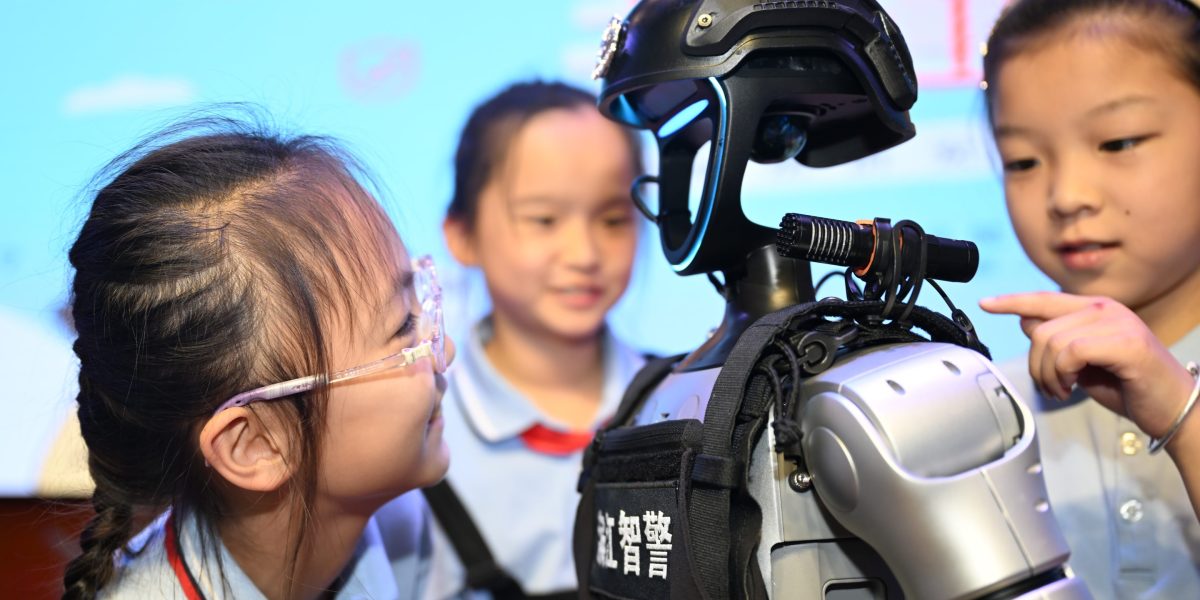
A recent Stanford report reveals that China has significantly closed the gap with the United States in artificial intelligence capabilities. The report highlights a concerning trend of diminishing tech talent migration to the U.S., raising questions about the future of global AI leadership.
China's AI Surge
A new report from Stanford University has unveiled a striking shift in the landscape of artificial intelligence (AI) development, indicating that China has nearly erased the United States' previous lead in this critical technology sector. The findings underscore a broader trend in which the flow of tech experts moving to the U.S. is slowing to a trickle, raising significant concerns about the future of American dominance in AI.
Key Findings from the Stanford Report
The Stanford report highlights that China has made remarkable strides in AI research and application, fueled by substantial investments from both the government and private sectors. With a focus on developing AI technologies that can be integrated into various industries, China is not only catching up to the U.S. but is also poised to lead in certain areas of AI innovation.
According to the report, China has increased its share of global AI research publications and patents, reflecting a robust ecosystem of innovation. The nation's commitment to AI is evident in its national strategy, which prioritizes technology as a key driver of economic growth and global competitiveness.
Declining Migration of Tech Talent
One of the most alarming trends identified in the report is the significant decline in the number of tech experts migrating to the U.S. This decline is attributed to several factors, including changing immigration policies, rising opportunities within China, and a growing perception that the U.S. is becoming less welcoming to foreign talent.
As the U.S. grapples with its immigration framework, many skilled workers are finding lucrative opportunities in China, where the tech industry is booming. This shift not only affects the talent pool available to American companies but also enhances China's capabilities in AI development.
The Implications for Global AI Leadership
The implications of these findings are profound. As China continues to invest heavily in AI and attract top talent, the balance of power in the tech world may shift. The U.S. has long been considered the global leader in technology and innovation, but if current trends continue, it risks losing its competitive edge.
Experts warn that the U.S. must reevaluate its approach to immigration and talent retention if it hopes to maintain its leadership in AI. Without a steady influx of skilled workers, American companies may struggle to keep pace with their Chinese counterparts, who are rapidly advancing in the field.
Responses from Industry Leaders
Industry leaders in the U.S. have expressed concern over the findings of the Stanford report. Many emphasize the need for a more inclusive and supportive environment for international talent, arguing that diversity is a key driver of innovation.
Some tech executives are advocating for policy changes that would streamline the immigration process for skilled workers, making it easier for them to contribute to the U.S. economy. Others are calling for increased investment in education and training programs to cultivate homegrown talent.
Conclusion
As the competition for AI supremacy intensifies, the findings from the Stanford report serve as a wake-up call for the United States. With China rapidly closing the gap and the flow of talent diminishing, the U.S. must take decisive action to secure its position in the global AI landscape. Failure to do so may result in a significant shift in technological leadership, with far-reaching consequences for the economy and national security.