China's Ongoing Efforts to Prevent Information Leakage Amidst Global Tensions
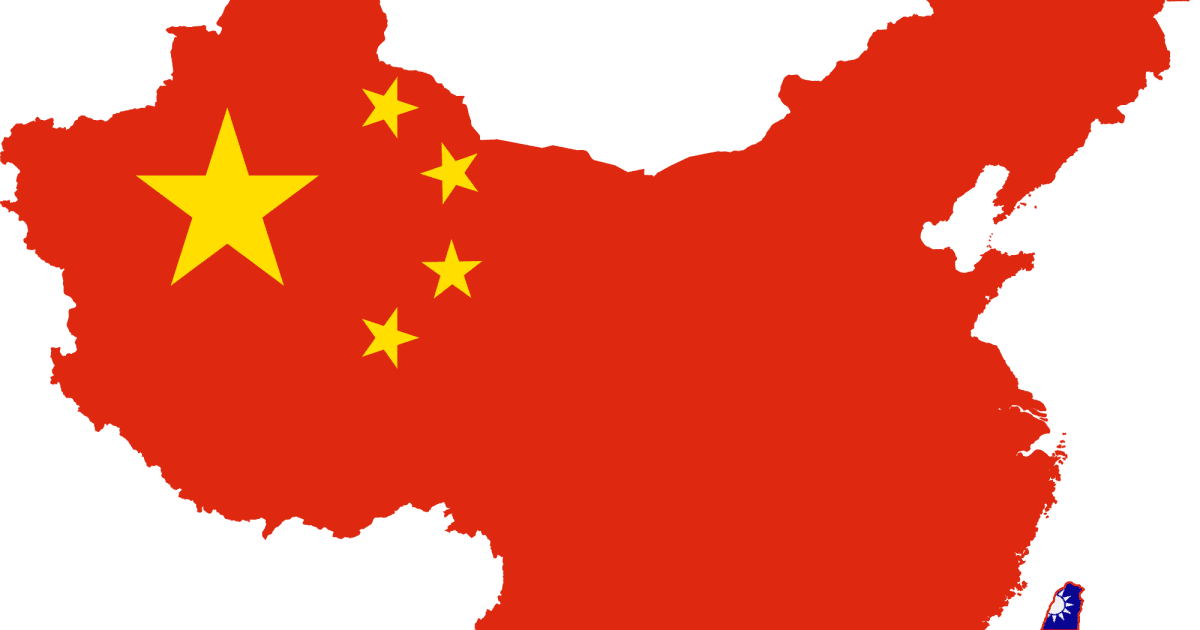
China is intensifying its measures to control information dissemination as international scrutiny increases. This report delves into the implications of these actions for both domestic and global audiences.
Introduction
In a world increasingly characterized by rapid information exchange, the Chinese government is stepping up its efforts to control the flow of information within its borders. Recent reports indicate that China is implementing stringent measures aimed at preventing the leakage of sensitive information, particularly as it faces mounting international scrutiny and geopolitical tensions.
Background on Information Control
Historically, the Chinese government has maintained a tight grip on information, employing a range of tactics from censorship to surveillance. The recent escalation in these efforts appears to be a response to both internal challenges and external pressures. As the global landscape shifts, particularly with the rise of technology and social media, the need for the Chinese Communist Party (CCP) to manage its narrative has become more pressing.
Recent Developments
According to sources, including Joehoft.com, there are increasing reports of the Chinese government cracking down on individuals and organizations that are perceived to be leaking information. This includes journalists, activists, and even ordinary citizens who share content that contradicts the official state narrative. Such actions are not merely punitive; they reflect a broader strategy aimed at stifling dissent and maintaining control over public discourse.
The Role of Technology
Technology plays a dual role in this context. On one hand, it facilitates the rapid dissemination of information, making it challenging for the government to control narratives. On the other hand, the Chinese government has harnessed technology to enhance its surveillance capabilities. The use of advanced monitoring systems and artificial intelligence allows authorities to track online activities and identify potential sources of dissent.
Impact on Society
The implications of these measures are profound. For many citizens, the fear of repercussions can lead to self-censorship, stifling open discussion and debate. This environment of fear not only affects journalists and activists but also permeates everyday conversations among the general populace. The chilling effect on freedom of expression raises concerns about the future of civil liberties in China.
International Reactions
Internationally, these developments have not gone unnoticed. Countries and organizations advocating for human rights have condemned China's actions, calling for greater transparency and accountability. The increasing isolation of China on the global stage, particularly in the context of its human rights record, has led to heightened tensions with Western nations. As China continues to assert its influence, the international community watches closely, weighing its responses to these ongoing challenges.
Conclusion
As China navigates a complex geopolitical landscape, its efforts to control information flow are likely to intensify. The implications of these actions extend beyond its borders, influencing global perceptions and international relations. While the Chinese government may seek to maintain a façade of stability and control, the underlying tensions and dissent continue to simmer, posing significant challenges for the future.