China's Hard-Tech Ambitions Accelerate Amid U.S. Containment Strategies
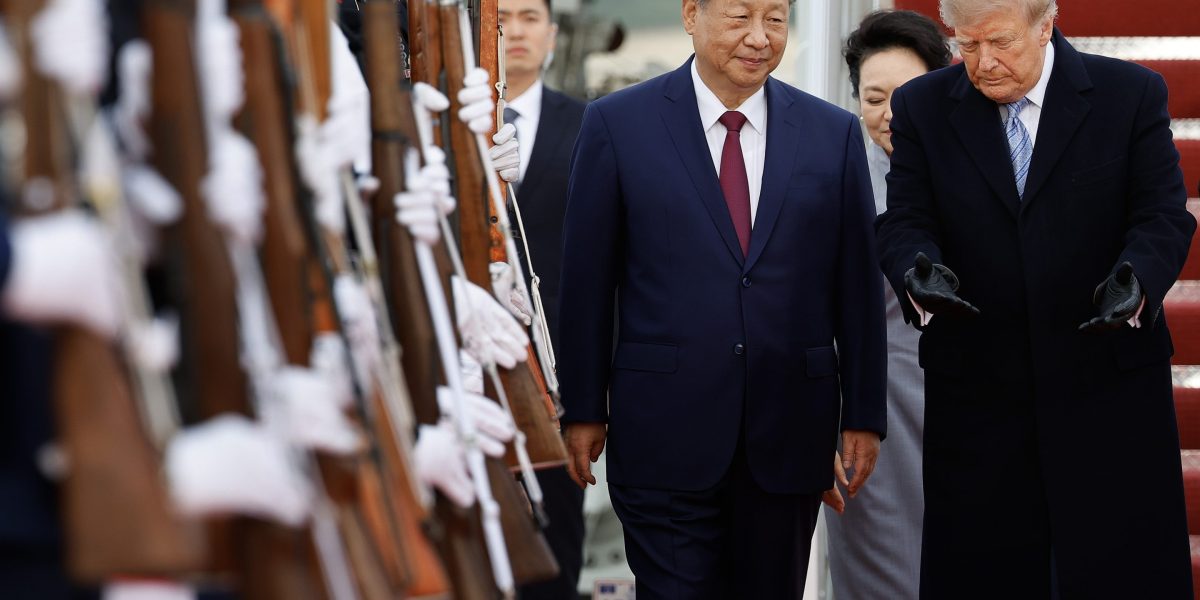
Xi Jinping's focus on hard-tech development is central to China's national strategy, as the U.S. intensifies its containment efforts. This report explores the implications for China's technological landscape and global competitiveness.
Introduction
In an era marked by escalating tensions between the United States and China, the latter's ambitions in hard technology have become a focal point of national policy. Under the leadership of President Xi Jinping, China is not only aiming to advance its technological capabilities but is also positioning itself as a formidable player on the global stage. This strategic pivot comes in response to what Beijing perceives as a concerted effort by Washington to contain its rise.
Xi Jinping's Vision for Hard-Tech
Xi Jinping has made it clear that the development of hard technology—encompassing sectors such as semiconductors, artificial intelligence, and aerospace—is of paramount importance to China’s future. This focus is encapsulated in the Made in China 2025 initiative, which seeks to reduce dependency on foreign technology and foster domestic innovation. The Chinese government has allocated significant resources to research and development, aiming to achieve self-sufficiency in key technological areas.
U.S. Containment and Its Impact
The U.S. strategy of containment, which includes export controls and sanctions targeting Chinese technology firms, has inadvertently accelerated China’s hard-tech ambitions. As the U.S. restricts access to critical technologies, Chinese companies and research institutions are compelled to innovate independently. This has led to a surge in domestic investment in technology sectors, with a focus on developing alternatives to U.S. technologies.
Investment in Research and Development
China's commitment to hard-tech is evident in its substantial investments in research and development. According to reports, China has surpassed the U.S. in terms of R&D spending, with billions of dollars directed towards emerging technologies. This funding is not only aimed at enhancing existing capabilities but also at fostering a new generation of tech companies that can compete globally.
Challenges Ahead
Despite the ambitious goals, China faces significant challenges in its quest for technological supremacy. The U.S. has established a coalition of allies to counter China's technological rise, which includes countries like Japan, South Korea, and members of the European Union. These nations are also tightening their own export controls, making it increasingly difficult for China to access advanced technologies.
Global Implications
The implications of China's hard-tech rise extend beyond its borders. As China continues to develop its technological capabilities, it is likely to reshape global supply chains and influence international standards in technology. This shift could lead to a bifurcation of the global tech landscape, with countries aligning themselves either with U.S. or Chinese technology ecosystems.
Conclusion
As tensions between the U.S. and China persist, the latter's focus on hard technology is set to redefine the competitive landscape of the 21st century. Xi Jinping's vision for a self-reliant and technologically advanced China is not merely a response to external pressures but a strategic imperative that could have lasting effects on global dynamics. The race for technological dominance is on, and both nations are poised to invest heavily in their respective futures.