China's Growing Military Involvement in Iran: A Strategic Shift
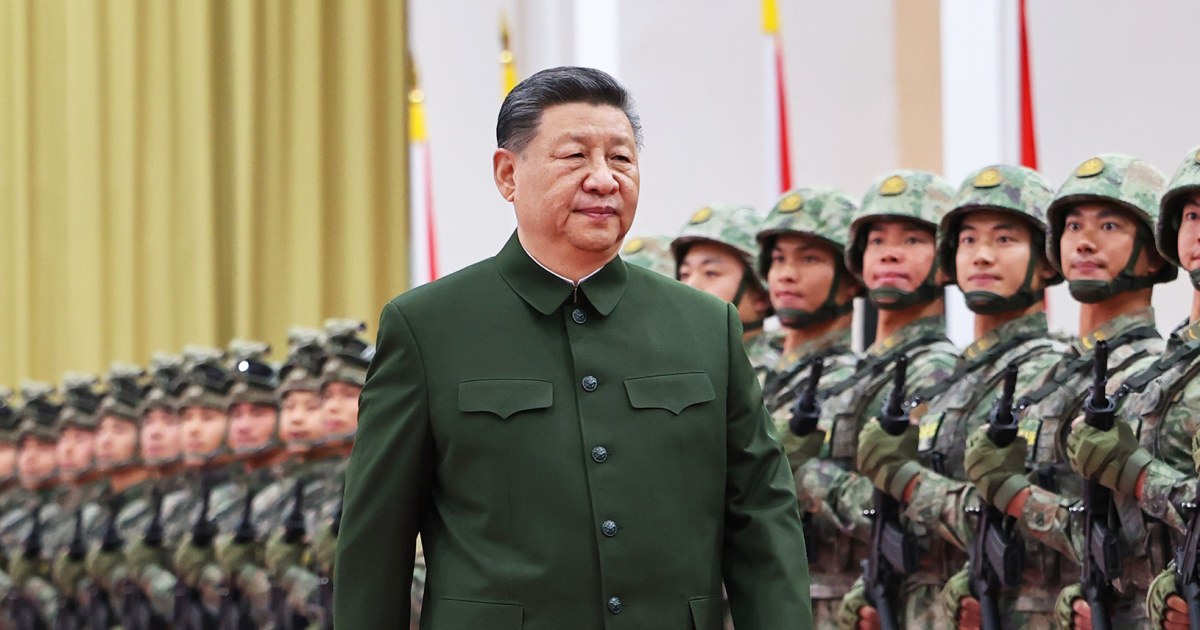
China's increasing military presence in Iran raises concerns over geopolitical tensions in the Middle East. Analysts warn that this could lead to a dangerous escalation amid ongoing U.S.-Iran conflicts.
Introduction
In recent months, China's involvement in Iran has escalated, drawing attention from international observers and analysts. With tankers moving oil and military discussions intensifying, the implications of this partnership could have far-reaching consequences for global geopolitics.
Military Cooperation on the Rise
Reports indicate that China is not only a significant economic partner for Iran but is also deepening its military ties. This shift comes at a time when the U.S. has imposed stringent sanctions on Iran, aiming to curb its nuclear ambitions and regional influence. As China continues to support Iran, it raises questions about the balance of power in the Middle East.
Oil Tankers and Economic Interests
China's state-owned oil companies have been increasingly involved in transporting Iranian oil, despite U.S. sanctions. The Chinese government has facilitated the movement of tankers, allowing Iran to circumvent restrictions imposed by Washington. This not only bolsters Iran's economy but also strengthens China's energy security, as it seeks to diversify its oil sources amid global supply chain disruptions.
Diplomatic Engagements
High-level talks between Chinese and Iranian officials have become more frequent, signaling a commitment to a long-term partnership. Recently, Chinese Foreign Minister Wang Yi visited Tehran, where he reiterated China's support for Iran's sovereignty and territorial integrity. This diplomatic engagement is seen as a counterbalance to U.S. influence in the region and a potential challenge to Western interests.
Concerns Over Regional Stability
Analysts warn that China's growing involvement in Iran could exacerbate tensions in an already volatile region. The U.S. has labeled Iran as a state sponsor of terrorism, and any military collaboration between China and Iran could provoke a response from Washington. The potential for conflict increases as both nations appear to be aligning against U.S. interests.
Trump's 'Dangerous' Blockade
The Biden administration's approach to Iran has been characterized by attempts to revive the nuclear deal, which was abandoned by former President Donald Trump. Trump's 'maximum pressure' campaign included a blockade on Iranian oil exports, which has not only impacted Iran's economy but also pushed it closer to China. This geopolitical chess game raises questions about the future of U.S. foreign policy in the Middle East and its implications for global energy markets.
China's Strategic Goals
China's involvement in Iran is not solely about energy; it is also part of a broader strategy to expand its influence in the Middle East. By aligning with Iran, China is positioning itself as a counterweight to U.S. hegemony in the region. This partnership could pave the way for increased military cooperation, including arms sales and joint military exercises, further complicating the security landscape.
Conclusion
The growing military and economic ties between China and Iran signal a significant shift in the geopolitical landscape of the Middle East. As both nations strengthen their partnership, the potential for conflict with the U.S. increases, raising alarms among international observers. The world watches closely as this dynamic unfolds, with implications that could reshape alliances and influence the future of energy security.