China's Foie Gras Market Surges as Domestic Production Rises
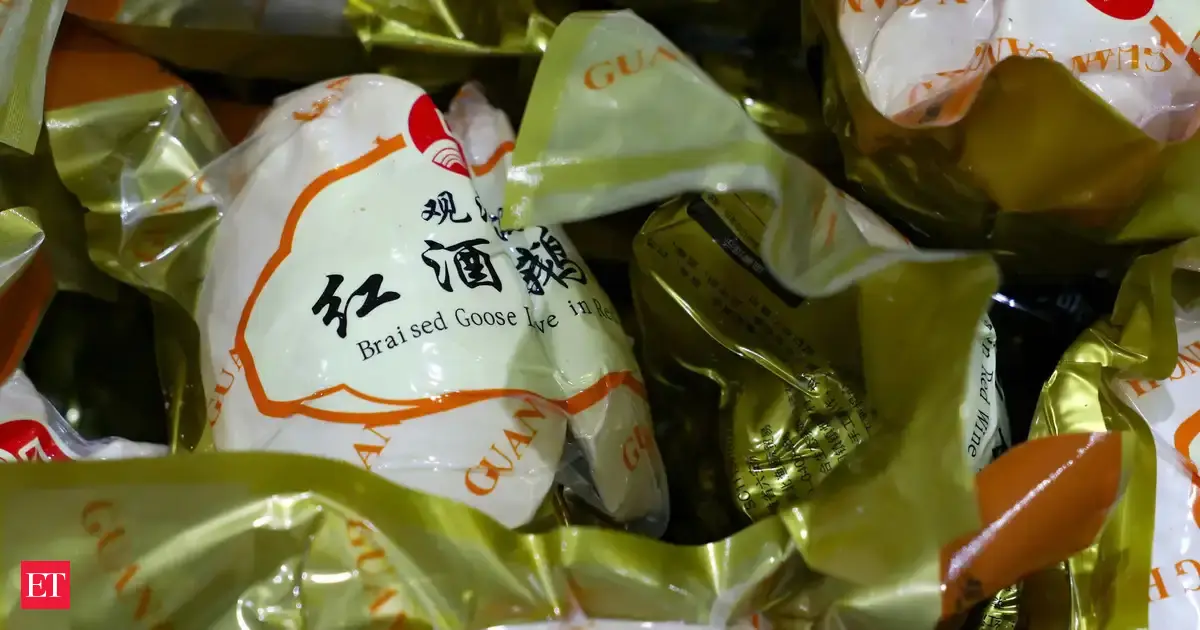
China's increasing appetite for foie gras is reshaping the global market, posing a challenge to traditional French producers. As homegrown alternatives gain popularity, the dynamics of luxury food consumption are shifting.
Introduction
In recent years, China has emerged as a significant player in the luxury food market, particularly in the realm of foie gras. Traditionally dominated by French producers, the foie gras industry is witnessing a seismic shift as Chinese consumers develop a taste for this delicacy, prompting local producers to ramp up their production capabilities.
The Rise of Domestic Production
As the demand for foie gras soars in China, local farms are stepping up to meet the needs of an increasingly affluent population. The Chinese foie gras market has seen a remarkable transformation, with domestic producers leveraging advanced farming techniques and innovative marketing strategies to create high-quality products that rival their French counterparts.
Changing Consumer Preferences
The surge in popularity of foie gras among Chinese consumers can be attributed to several factors. With rising disposable incomes and a growing interest in gourmet dining experiences, more Chinese diners are willing to explore luxury food items. Furthermore, the cultural significance of foie gras as a symbol of sophistication and indulgence has led to its incorporation into various culinary traditions across the country.
Challenges for French Producers
As Chinese producers gain traction, traditional French foie gras producers are facing unprecedented challenges. The allure of locally sourced products has prompted many consumers to favor domestic options over imported goods. Additionally, concerns over animal welfare and the sustainability of production methods have led to increased scrutiny of traditional foie gras farming practices, further complicating the landscape for French producers.
Market Dynamics and Competition
The competition between Chinese and French foie gras producers is intensifying. While French foie gras has long been regarded as the gold standard, the rise of high-quality domestic alternatives is reshaping consumer perceptions. Chinese producers are not only focusing on taste and quality but are also emphasizing the freshness and traceability of their products, appealing to a growing demographic of health-conscious consumers.
Investment in Quality and Innovation
To stay competitive, both Chinese and French producers are investing heavily in research and development. Chinese farms are exploring innovative feeding techniques and breeding practices to enhance the quality of their foie gras. Meanwhile, French producers are adapting their marketing strategies to highlight the artisanal aspects of their products, aiming to retain their status as the premier choice for discerning consumers.
Future Outlook
The future of the foie gras market in China looks promising, with projections indicating continued growth in both domestic production and consumption. As Chinese consumers become more adventurous in their culinary choices, the demand for high-quality foie gras is expected to rise. This trend presents both opportunities and challenges for traditional producers as they navigate an evolving market landscape.
Conclusion
In conclusion, China's burgeoning foie gras market is reshaping the global landscape of luxury food consumption. As domestic producers continue to innovate and meet the demands of a growing consumer base, the competition with traditional French producers is likely to intensify. The interplay between local and international markets will be crucial in determining the future of foie gras, as both sides strive to capture the palates of discerning diners.