China's Economic Ambitions Confront Growth Limitations Amid National Congress Discussions
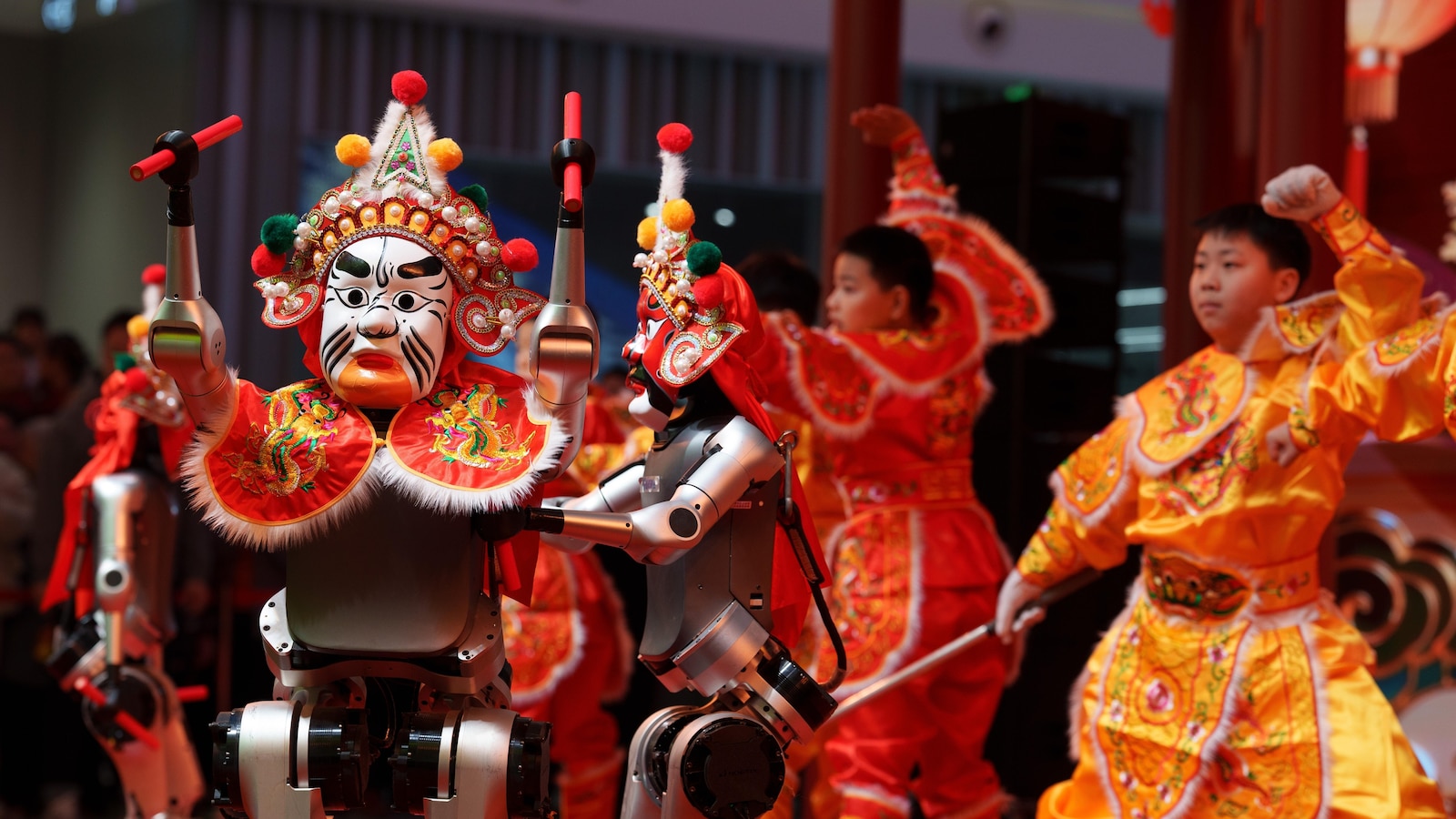
As China's National Congress convenes, the nation grapples with the realities of its economic ambitions facing significant growth limitations. This report delves into the challenges and implications for China's future economic trajectory.
Introduction
As the National Congress of the Communist Party of China convenes, the country finds itself at a pivotal juncture, grappling with the stark realities of its economic ambitions. Once heralded as the engine of global growth, China's economy is now confronting limitations that could reshape its trajectory in the years to come.
Economic Growth: A Double-Edged Sword
China's rapid economic ascent over the past few decades has been nothing short of remarkable. However, this growth has come at a cost, leading to environmental degradation, rising debt levels, and an increasingly aging population. As the National Congress meets, leaders are faced with the challenge of balancing continued economic expansion with sustainable practices.
Challenges Ahead
One of the most pressing challenges is the country’s reliance on heavy industry and manufacturing, which has contributed significantly to its GDP. However, this model is becoming unsustainable. The global shift towards greener technologies and more sustainable practices is forcing China to reconsider its economic strategies. Furthermore, the ongoing trade tensions with the United States and other countries have created an uncertain environment for Chinese exports, further complicating growth prospects.
Debt Concerns
China's debt levels are another significant concern. With local governments heavily indebted and reliant on land sales for revenue, the risk of a financial crisis looms large. Analysts warn that without substantial reforms, the country could face a severe economic downturn. The National Congress discussions are expected to address these issues, focusing on measures to stabilize the economy while promoting sustainable growth.
Aging Population
Compounding these issues is China's demographic challenge. The country is experiencing a rapidly aging population, which poses a threat to its labor force and economic productivity. The one-child policy, which was in place for decades, has resulted in a shrinking workforce that could hinder future economic growth. As leaders gather at the National Congress, finding solutions to encourage higher birth rates and support for the elderly will be crucial.
Shifting Economic Strategies
In response to these challenges, there are indications that Chinese leaders are considering a shift in economic strategy. The focus may pivot from high-speed growth to more sustainable, quality-driven growth. This could involve investing in technology, innovation, and services, rather than traditional manufacturing. Such a transition would require significant policy adjustments and investment in human capital.
Global Implications
The implications of China's economic recalibration extend beyond its borders. As the world's second-largest economy, any slowdown in China could have ripple effects throughout the global economy. Countries that rely heavily on Chinese demand for their exports may face economic challenges of their own. Moreover, China's potential shift towards a more self-sufficient economy could alter global supply chains and trade dynamics.
Conclusion
As the National Congress of the Communist Party of China unfolds, the discussions will undoubtedly shape the future of the nation's economy. With growth limitations becoming increasingly apparent, the path forward will require careful navigation of complex challenges. The decisions made during this critical period will not only impact China's economic landscape but also have profound implications for the global economy.