China's Car Exports Surge Amid Growing Expectations for EV Pivot Due to Iran War Energy Shock
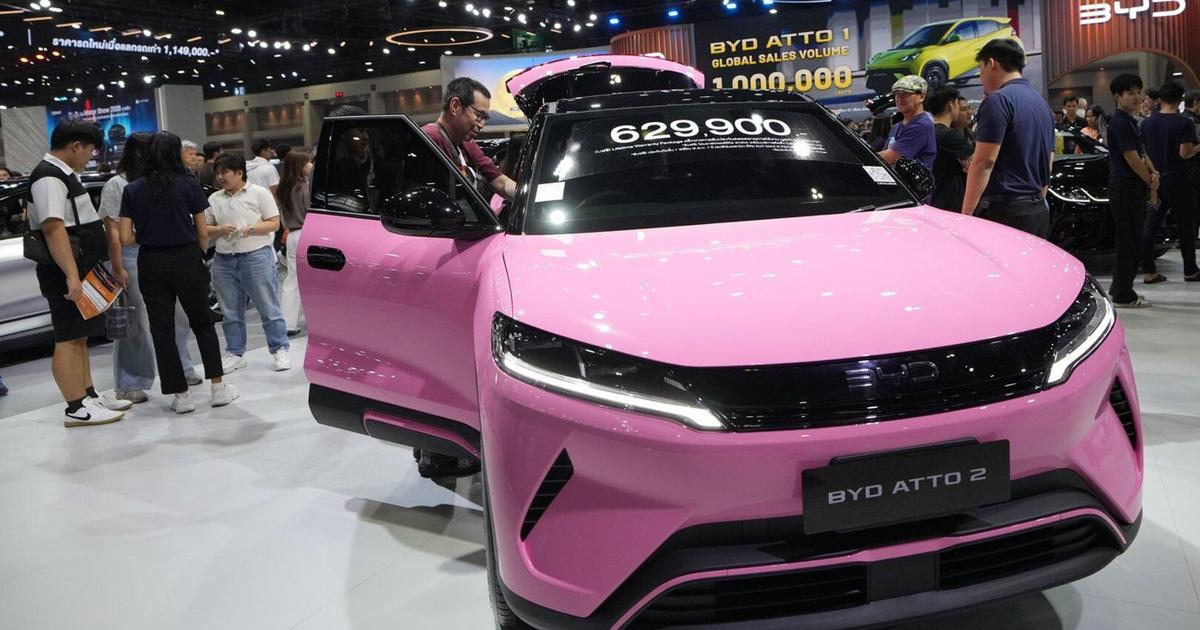
China's automotive industry is experiencing a significant boost in exports, driven by a shift towards electric vehicles (EVs) amidst global energy challenges. The ongoing conflict in Iran is reshaping energy dynamics, prompting a reevaluation of energy sources and automotive strategies worldwide.
Introduction
In a remarkable turn of events, China's automotive sector is witnessing a surge in car exports, primarily fueled by the increasing global demand for electric vehicles (EVs). This growth comes at a time when the ongoing conflict in Iran has created an energy shock, prompting nations to reconsider their energy dependencies and automotive strategies.
Impact of the Iran War on Energy Markets
The war in Iran has significantly disrupted traditional energy markets, leading to soaring oil prices and a scramble for alternative energy sources. Countries reliant on oil imports are now facing heightened energy costs, which has catalyzed a shift towards more sustainable and cost-effective solutions, including electric vehicles. As a result, the global automotive landscape is undergoing a transformation, with China at the forefront of this change.
China's Position in the Global Automotive Market
China has long been a dominant player in the global automotive market, but the recent surge in EV exports marks a pivotal moment for the industry. According to recent reports, Chinese car exports have increased significantly, with a notable rise in the export of electric vehicles. This shift aligns with the country's strategy to position itself as a leader in green technology and sustainable transportation.
Rising Demand for Electric Vehicles
As the world grapples with the implications of the Iran conflict, the demand for EVs has skyrocketed. Nations are increasingly recognizing the need to reduce their reliance on fossil fuels, and electric vehicles present a viable solution. China's automotive manufacturers, including industry giants like BYD and NIO, are ramping up production to meet this growing demand, both domestically and internationally.
Government Support and Strategic Initiatives
The Chinese government has been instrumental in supporting the growth of the EV sector. Through various incentives, subsidies, and investments in charging infrastructure, the government is fostering an environment conducive to innovation and expansion in the electric vehicle market. This proactive approach not only bolsters domestic production but also enhances the competitiveness of Chinese car manufacturers on the global stage.
Challenges Ahead
While the surge in car exports presents numerous opportunities, challenges remain. The global semiconductor shortage continues to impact production capabilities, and supply chain disruptions could hinder the timely delivery of vehicles. Additionally, as competition intensifies, Chinese manufacturers must innovate continuously to maintain their edge in the EV market.
Conclusion
China's automotive industry stands at a crossroads, with a significant opportunity to reshape the global automotive landscape through the export of electric vehicles. The ongoing energy crisis prompted by the Iran war has accelerated this transition, positioning China as a key player in the future of sustainable transportation. As the world shifts towards greener alternatives, China's commitment to innovation and sustainability will be crucial in determining its success in the evolving automotive market.