China's Aggressive Overseas Asset Acquisition Strategy Resurfaces
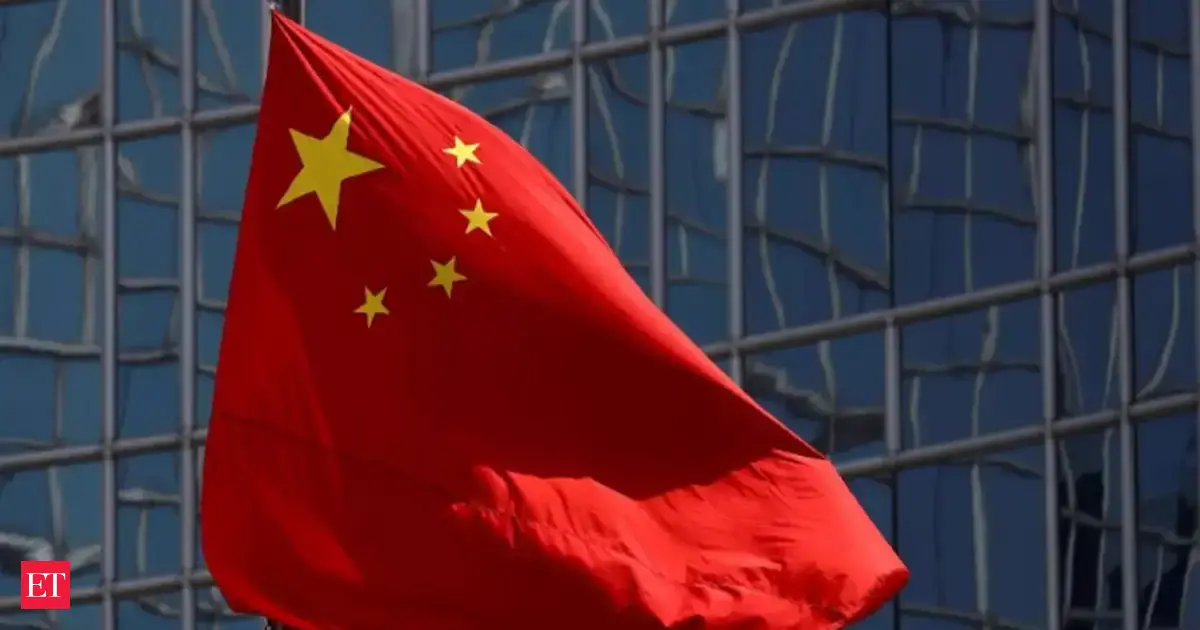
China is ramping up its efforts to acquire overseas assets, including a diverse range of industries from sportswear to metals. This renewed strategy raises questions about the implications for global markets and international relations.
China's Renewed Push for Overseas Assets
In a significant shift in its economic strategy, China is once again making headlines with its aggressive acquisition of overseas assets. This resurgence is marked by investments across various sectors, including sportswear, metals, and technology. The move reflects China's ambition to enhance its global economic footprint and secure vital resources amid a rapidly changing international landscape.
Puma and Beyond: The Sportswear Sector
One of the most notable examples of China's renewed interest in overseas assets is its potential acquisition of Puma, a leading global sportswear brand. As the sportswear market continues to grow, driven by increasing health consciousness and a surge in fitness activities, China is keen to capitalize on this trend. By investing in established brands like Puma, China aims to leverage its manufacturing capabilities and expand its influence in the lucrative sportswear sector.
Metals and Resources: Securing Supply Chains
In addition to sportswear, China is also focusing on acquiring assets in the metals sector. The country's demand for metals, crucial for its infrastructure projects and technological advancements, has prompted it to seek ownership of mines and production facilities worldwide. This strategy not only secures essential resources for its domestic industries but also positions China as a significant player in the global metals market.
International Implications of China's Strategy
The implications of China's renewed asset acquisition strategy are far-reaching. As it seeks to strengthen its economic ties globally, concerns arise regarding the potential for increased geopolitical tensions. Critics argue that China's aggressive investments could lead to a form of economic imperialism, where it gains undue influence over critical industries in other nations.
Responses from Global Markets
Global markets are closely monitoring China's moves, with many countries reassessing their foreign investment policies in response. Nations that have previously welcomed Chinese investments are now weighing the risks and benefits more carefully. The potential for increased scrutiny and regulatory barriers could complicate China's efforts to acquire overseas assets.
Conclusion: A New Era of Economic Strategy
As China embarks on this new chapter of overseas asset acquisition, it is essential to consider the broader implications for international trade and relations. The balance between economic growth and geopolitical stability will be a critical factor in determining the success of China's strategy. As the world watches, the outcomes of these investments could reshape the global economic landscape for years to come.