China Releases Pastor Two Months After Trump Advocated for His Release with Xi Jinping
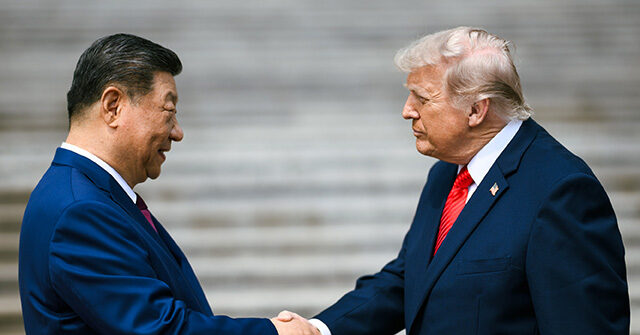
In a significant diplomatic development, China has released a prominent pastor two months after former President Trump publicly called for his release during a meeting with President Xi Jinping. This event highlights the complexities of U.S.-China relations and the ongoing issues surrounding religious freedom in China.
Introduction
In a notable turn of events, China has released a well-known pastor, Wang Yi, two months after former President Donald Trump advocated for his freedom during a high-profile meeting with Chinese President Xi Jinping. Wang, who has been a vocal critic of the Chinese government's restrictions on religious practices, was detained in December 2018 and sentenced to nine years in prison for 'inciting to disrupt social order' and 'illegal business operations.'
Background on Wang Yi
Wang Yi is the leader of the Early Rain Covenant Church in Chengdu, Sichuan province, which has been targeted by authorities for its unregistered status and outspoken views on religious freedom. His arrest was part of a broader crackdown on unregistered churches in China, where the Communist Party maintains strict control over religious practices. Wang's imprisonment drew international attention, with many human rights organizations condemning the Chinese government for its treatment of religious figures.
Trump's Advocacy
During a meeting in November 2020, former President Trump urged President Xi to release Wang, emphasizing the importance of religious freedom and human rights in diplomatic relations. Trump's comments came amid a backdrop of increasing tensions between the U.S. and China, particularly concerning trade, technology, and human rights issues. His advocacy for Wang was seen as part of a broader strategy to leverage human rights concerns in discussions with China.
Release and Reactions
Wang Yi's release was confirmed by his church and various human rights organizations, who welcomed the news as a positive development in the ongoing struggle for religious freedom in China. However, many are cautious, noting that while his release is a step forward, the broader situation for religious practitioners in China remains dire. The Chinese government continues to impose strict regulations on religious practices, particularly for groups that do not align with state-sanctioned beliefs.
Implications for U.S.-China Relations
The timing of Wang's release raises questions about the influence of U.S. diplomacy on China's domestic policies. While some analysts argue that Trump's intervention may have played a role in Wang's release, others caution against overestimating the impact of individual diplomatic efforts. The complexities of U.S.-China relations mean that while human rights advocacy is important, it often takes a backseat to economic and strategic interests.
Continuing Challenges for Religious Freedom
Despite Wang's release, the situation for religious freedom in China remains precarious. Reports indicate that the Chinese government has intensified its crackdown on religious groups, particularly those that operate outside of state control. This includes not only Christian churches but also Buddhist, Muslim, and other religious communities. The Chinese Communist Party's approach to religion is characterized by a desire for control and conformity, leading to widespread violations of religious freedoms.
Conclusion
The release of Pastor Wang Yi is a significant moment in the ongoing dialogue about religious freedom in China and the role of international diplomacy. While it offers a glimmer of hope for advocates of human rights, it also underscores the challenges that remain. As the world watches, the situation in China continues to evolve, with the hope that more individuals will be able to exercise their right to freedom of belief without fear of persecution.