China Prepares for Year-Long Space Mission as It Sets Sights on 2030 Moon Landing
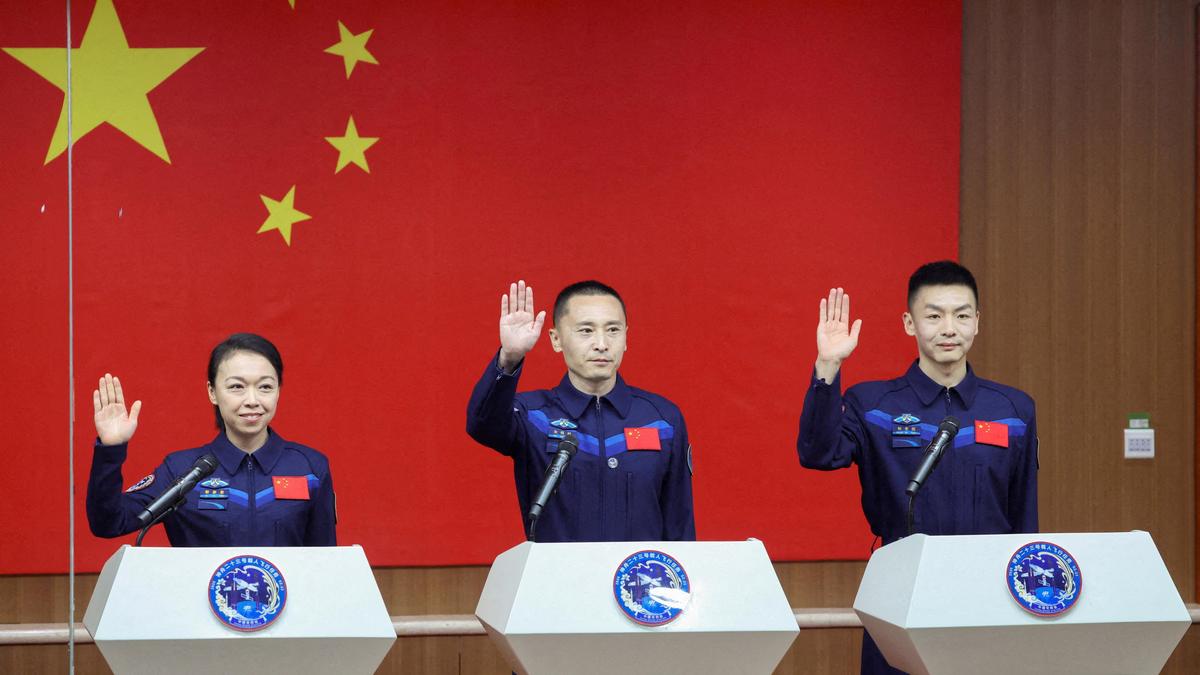
China is gearing up to send an astronaut on a year-long space mission, marking a significant step towards its ambitious goal of landing on the Moon by 2030. This mission underscores China's growing capabilities in space exploration and its commitment to advancing its presence in outer space.
China's Ambitious Space Mission
In a groundbreaking announcement, China has revealed plans to send an astronaut on a year-long space mission, a pivotal step in its quest to achieve a Moon landing by 2030. This mission, which is expected to take place in the coming years, reflects China's escalating ambitions in space exploration and its determination to establish a permanent presence beyond Earth.
Preparation and Training
The Chinese space agency has indicated that the astronaut selected for this mission will undergo rigorous training and preparation, focusing on a variety of skills essential for long-duration spaceflight. This includes physical conditioning, technical training on spacecraft systems, and simulations of life aboard the space station. The astronaut will also be part of a team that will conduct scientific experiments and research during the mission, contributing to our understanding of long-term human habitation in space.
Technological Advancements
China's space program has made significant strides in recent years, with successful missions to the Moon and Mars showcasing its technological prowess. The upcoming year-long mission is expected to utilize advanced spacecraft technology and support systems developed through previous missions. This includes the Tianhe core module of the Tiangong space station, which has been operational since 2021 and serves as a vital platform for scientific research and international collaboration.
International Collaboration and Competition
As China advances its space exploration initiatives, it is also positioning itself as a key player in the global space race. The country's ambitions have sparked both interest and concern among other space-faring nations, particularly the United States. While China has expressed a willingness to collaborate with other countries on scientific endeavors, its rapid advancements have led to heightened competition in the realm of space exploration.
The Road to the Moon
China's goal of landing on the Moon by 2030 is part of a broader strategy to establish a sustainable human presence on the lunar surface. This includes plans for lunar bases and potential resource extraction, which could have significant implications for future space exploration and even Earth-based industries. The upcoming year-long mission will play a crucial role in testing the technologies and strategies needed for such ambitious undertakings.
Public Interest and Support
The Chinese public has shown increasing interest in space exploration, with many viewing it as a source of national pride. The government's investment in the space program has been met with widespread support, as citizens celebrate the achievements of their astronauts and the advancements in technology that come with these missions. Educational initiatives aimed at inspiring the next generation of scientists and engineers are also gaining momentum, further fueling public enthusiasm.
Conclusion
As China prepares for this monumental year-long space mission, the world watches closely. The mission not only represents a significant leap in China's space capabilities but also sets the stage for future endeavors, including the ambitious goal of a Moon landing by 2030. With each step forward, China is solidifying its position in the global space community and inspiring a new era of exploration beyond our planet.