China Market Closure for Lunar New Year: Implications for Global Investors
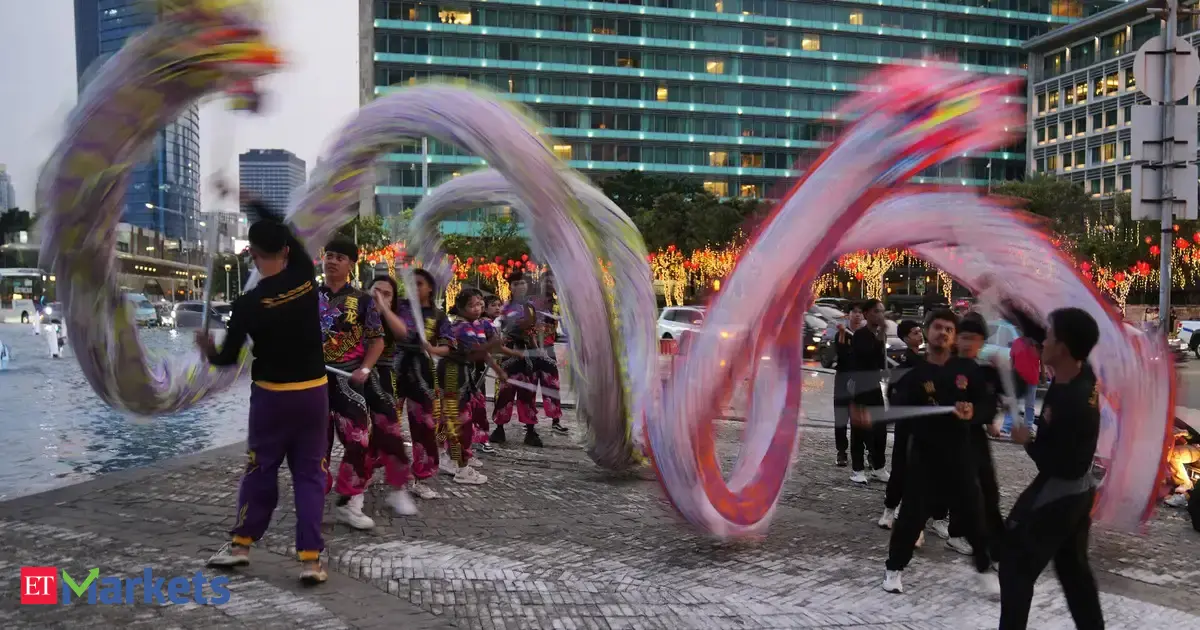
As China shuts down its markets for the Lunar New Year, global investors are left to ponder the potential impacts on international markets. This annual closure raises questions about market stability and investment strategies during the festive period.
China's Lunar New Year Market Closure
As the Lunar New Year approaches, financial markets in Mainland China prepare for a significant shutdown, a tradition that has implications not just for local investors but also for global markets. The closure, which typically lasts for a week, is a time when many Chinese citizens return home to celebrate with family, leading to a slowdown in economic activity.
Global Impact of China's Market Shutdown
The closure of the Chinese market raises concerns among international investors regarding liquidity and volatility. With China being the second-largest economy in the world, any disruption in its market activities can ripple through global financial systems. Investors often brace for potential fluctuations in stock prices and exchange rates as they navigate the uncertainty that accompanies this festive period.
Historical Context
Historically, the Lunar New Year has been a time of caution for investors. In previous years, market performance during and after the holiday has shown mixed results. Some analysts argue that the festive period can lead to a buildup of pent-up demand, resulting in a surge in economic activity once markets reopen, while others caution that the extended break can lead to increased volatility.
Sector-Specific Considerations
Different sectors react differently to the market closure. For instance, consumer goods and retail sectors often see a spike in activity leading up to the holiday, driven by increased spending on gifts and travel. However, sectors reliant on continuous trading, such as technology and finance, may experience heightened anxiety as they await the market's reopening.
Investor Strategies During the Closure
In light of the market closure, many global investors are reassessing their strategies. Some are opting to liquidate positions to avoid potential losses during the holiday, while others are looking for opportunities to invest in undervalued assets. Analysts suggest that diversifying portfolios and focusing on long-term growth can be prudent strategies during this period of uncertainty.
Potential for Increased Volatility
As the markets prepare to close, experts warn of potential volatility when trading resumes. The buildup of economic data and events during the holiday can lead to sharp movements in stock prices as investors react to news and market sentiment. This volatility can be particularly pronounced in sectors directly tied to Chinese consumer behavior.
The Role of Global Events
In addition to the Lunar New Year, global events such as geopolitical tensions, changes in U.S. monetary policy, and fluctuations in commodity prices can further complicate the investment landscape. Investors must remain vigilant and adaptable, ready to respond to both local and international developments that could influence market dynamics.
Conclusion
The Lunar New Year market closure in China serves as a reminder of the interconnectedness of global financial markets. As investors navigate this period, understanding the implications of the holiday on market behavior is crucial. With careful planning and strategic foresight, investors can mitigate risks and position themselves for potential opportunities in the post-holiday market landscape.