China Intensifies Control Over Disputed South China Sea Shoal
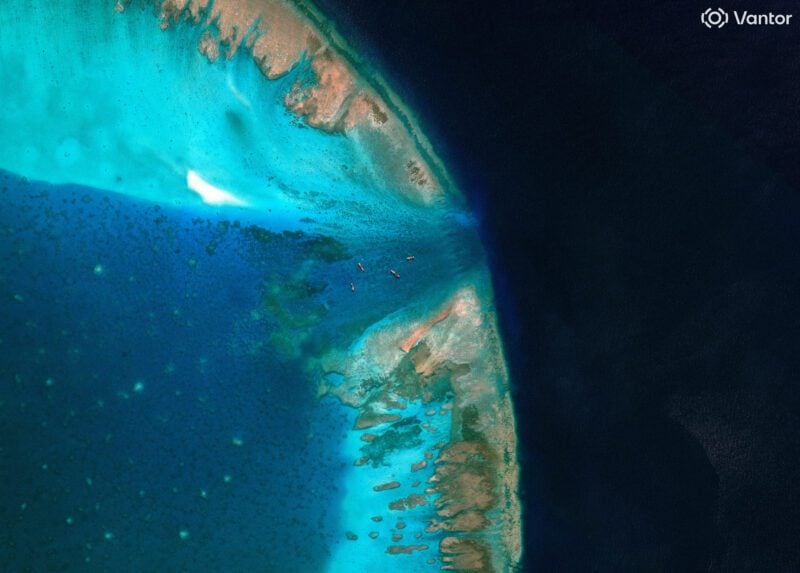
China is taking measures to block access to a contested shoal in the South China Sea, raising tensions in the region. The move has drawn international scrutiny and concerns over maritime sovereignty and regional stability.
China's Recent Actions in the South China Sea
In a significant escalation of its territorial claims, China has moved to block access to a disputed shoal in the South China Sea, as evidenced by recent satellite images. This development has heightened tensions in a region already fraught with geopolitical rivalries, particularly between China and its Southeast Asian neighbors, as well as the United States.
The Disputed Area
The shoal in question, known as the Second Thomas Shoal, is located within the Spratly Islands, an area rich in natural resources and strategically important for maritime navigation. The Philippines has long claimed sovereignty over the shoal, which is home to a small contingent of Filipino military personnel stationed on a grounded warship. China's actions to block access to this area are seen as a direct challenge to the Philippines' claims and an attempt to assert its dominance in the South China Sea.
Satellite Imagery Reveals Blockade
Recent satellite imagery obtained by maritime analysts shows an increase in Chinese vessels around the shoal, effectively creating a blockade that limits access for Filipino ships. This move is part of a broader strategy by China to consolidate its control over contested maritime territories, which it claims based on historical rights. The images indicate a significant Chinese presence, including coast guard and fishing vessels, which have been reported to intimidate and harass Filipino fishermen attempting to operate in the area.
International Response
The international community has expressed concern over China's aggressive actions in the South China Sea. The United States, a key ally of the Philippines, has reiterated its commitment to uphold freedom of navigation in the region and has called for China to respect international law. The U.S. State Department issued a statement condemning China's blockade, asserting that it undermines regional stability and threatens the rules-based international order.
Regional Implications
The situation at the Second Thomas Shoal is emblematic of the broader tensions in the South China Sea, where several Southeast Asian nations, including Vietnam, Malaysia, and Brunei, have overlapping claims with China. These nations have also expressed their concerns over China's assertive maritime activities, which include the construction of artificial islands and military installations in the region.
The Philippines' Dilemma
The Philippine government faces a complex dilemma as it navigates its relationship with China while seeking to protect its territorial integrity. President Ferdinand Marcos Jr. has emphasized the need for a diplomatic approach, but the increasing Chinese presence poses a challenge to his administration's efforts to maintain sovereignty over the disputed waters. The Philippines has sought to strengthen its defense ties with the U.S. and other allies in response to China's actions.
Future Outlook
As tensions continue to rise in the South China Sea, the potential for conflict remains a pressing concern. Analysts warn that China's aggressive posture may lead to miscalculations or confrontations at sea, which could have far-reaching implications for regional security. The international community's response will be crucial in shaping the future dynamics of this strategically vital area.
Conclusion
China's recent actions to block access to the Second Thomas Shoal underscore the ongoing complexities of territorial disputes in the South China Sea. As regional powers and global stakeholders react to these developments, the situation remains fluid, with the potential for significant geopolitical ramifications in the months and years to come.