China Imposes Symbolic Sanctions on US Firms Following Taiwan Arms Sale
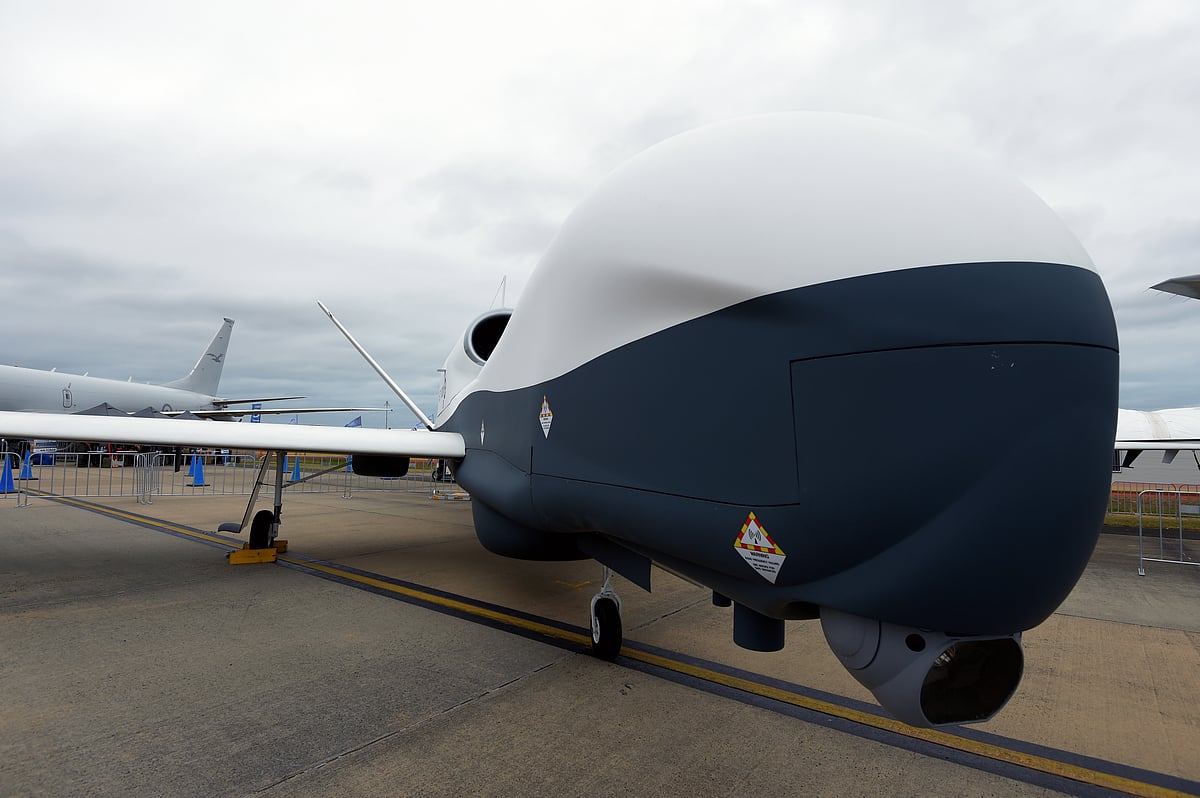
In response to the recent arms sale to Taiwan, China has announced symbolic sanctions against several US companies. This move underscores the escalating tensions between the US and China over Taiwan's defense.
China's Response to US Arms Sale to Taiwan
In a significant escalation of tensions between the United States and China, Beijing has announced symbolic sanctions against several American firms in response to the recent arms sale to Taiwan. This development highlights the ongoing geopolitical struggle surrounding Taiwan, a self-governing island that China claims as its territory.
Details of the Arms Sale
The arms sale, which was approved by the US government, includes advanced weaponry and military equipment aimed at bolstering Taiwan's defense capabilities. The deal has been met with strong condemnation from China, which views any military support for Taiwan as a direct challenge to its sovereignty.
China's Sanctions and Their Implications
China's sanctions, while largely symbolic, target specific US defense contractors involved in the arms sale. These sanctions are part of a broader strategy by Beijing to express its discontent with US foreign policy regarding Taiwan. The affected companies are expected to face restrictions on their business operations in China, although the exact nature of these sanctions has not been fully disclosed.
The Broader Context of US-China Relations
This latest development comes amid a backdrop of deteriorating relations between the US and China, marked by disputes over trade, technology, and human rights. The US has consistently supported Taiwan through arms sales and diplomatic engagement, which has angered Beijing. The Chinese government has repeatedly warned that it would take necessary measures to safeguard its national interests.
Reactions from the International Community
The international community is closely monitoring the situation, as tensions in the Taiwan Strait could have far-reaching implications for regional stability. Analysts suggest that the US's commitment to Taiwan's defense may lead to further confrontations with China, raising concerns about a potential military conflict.
Future Prospects
As both nations navigate this complex situation, the potential for dialogue remains uncertain. While the US maintains its stance on supporting Taiwan, China is likely to continue its assertive policies in the region. The coming weeks and months will be critical in determining whether diplomatic efforts can ease the rising tensions or if the situation will escalate further.
Conclusion
The symbolic sanctions imposed by China on US firms serve as a stark reminder of the fragile state of US-China relations, particularly concerning Taiwan. As both sides prepare for a potential confrontation, the international community watches closely, hoping for a peaceful resolution to the ongoing tensions.