China Imposes Sanctions on Taiwanese Ministers Amid Rising Tensions
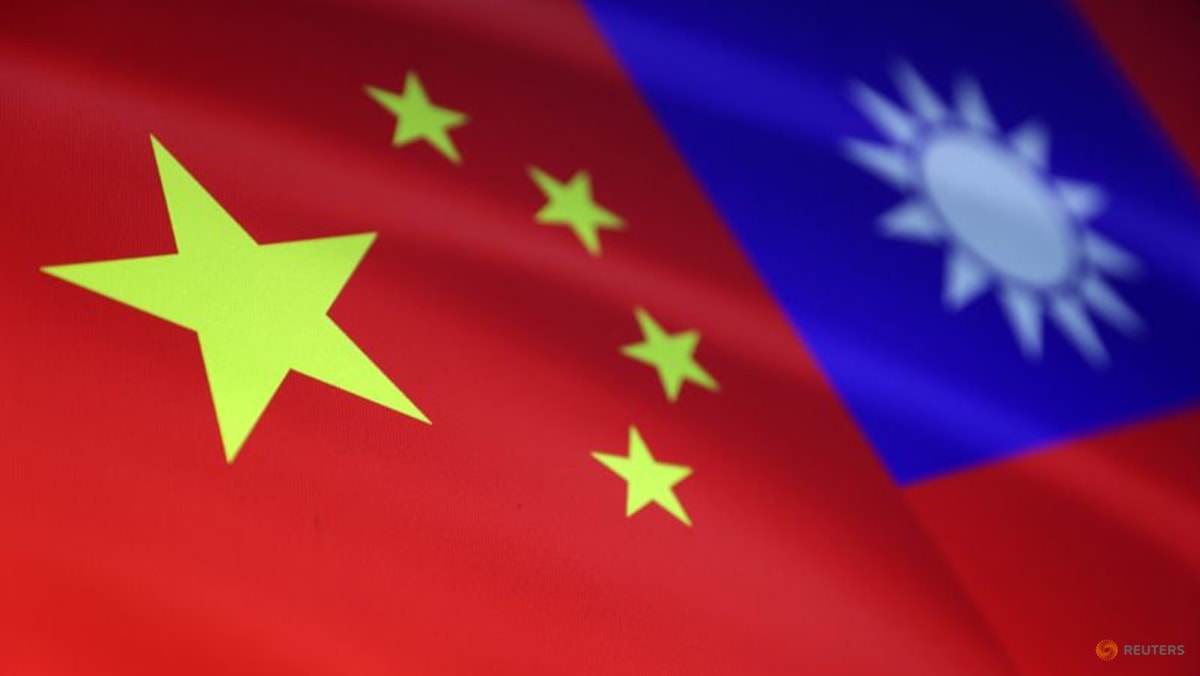
China has banned two Taiwanese ministers from entering the mainland, citing their involvement in activities promoting independence. The move has intensified diplomatic tensions between Beijing and Taipei, prompting a strong response from the Taiwanese government.
China's Ban on Taiwanese Officials
In a significant escalation of tensions across the Taiwan Strait, China has imposed sanctions on two Taiwanese ministers, accusing them of engaging in activities that promote independence for Taiwan. The Chinese government announced that it has banned the ministers from entering the mainland, a move that has drawn sharp condemnation from Taipei.
Details of the Sanctions
The ministers targeted by the sanctions are Chiu Tai-san, the Minister of the Mainland Affairs Council, and Wu Tsing-chang, the Minister of the Council of Agriculture. Beijing's actions come in response to what it describes as their involvement in activities that undermine China's sovereignty and territorial integrity. The Chinese government has long viewed Taiwan as a breakaway province that must eventually be reunified with the mainland, by force if necessary.
Taiwan's Response
In reaction to the sanctions, Taiwan's government expressed outrage, labeling the move as an attempt to intimidate and suppress Taiwanese officials who advocate for the island's autonomy. A spokesperson for the Taiwanese foreign ministry stated, "This is a blatant violation of our sovereignty and an affront to our democratic values. We will not be cowed by such threats." The Taiwanese leadership emphasized that it would continue to strengthen its defenses and maintain its stance on independence.
Background of the Tensions
The relationship between Taiwan and China has been fraught with tension, particularly since the election of President Tsai Ing-wen in 2016. Tsai, who is from the pro-independence Democratic Progressive Party (DPP), has resisted Beijing's pressure for closer ties and has instead sought to bolster Taiwan's international presence. This has led to a series of retaliatory measures from China, including military exercises near Taiwan and diplomatic isolation efforts.
International Reactions
The international community has closely monitored the situation, with many countries expressing concern over China's increasing assertiveness in the region. The United States, which maintains unofficial relations with Taiwan, has reiterated its commitment to supporting the island's self-defense capabilities. A U.S. State Department spokesperson stated, "We are deeply concerned about the actions taken by the PRC against Taiwan and will continue to stand with our partners in promoting peace and stability in the Taiwan Strait."
Implications for Cross-Strait Relations
The imposition of sanctions on Taiwanese officials signals a further deterioration in cross-strait relations, which have been increasingly strained in recent years. Analysts warn that such actions could lead to heightened military tensions, as China may feel emboldened to conduct more aggressive maneuvers in the region. Moreover, the ban on Taiwanese ministers may hinder future dialogue between the two sides, making it more challenging to address the underlying issues that fuel the conflict.
Conclusion
As tensions continue to escalate, the situation in the Taiwan Strait remains precarious. Both sides appear entrenched in their positions, with China unwilling to tolerate any moves toward independence and Taiwan determined to assert its sovereignty. The international community's response will be crucial in shaping the future dynamics of cross-strait relations and ensuring stability in the region.