China Imposes Sanctions on Japanese Lawmaker Linked to Taiwan Relations
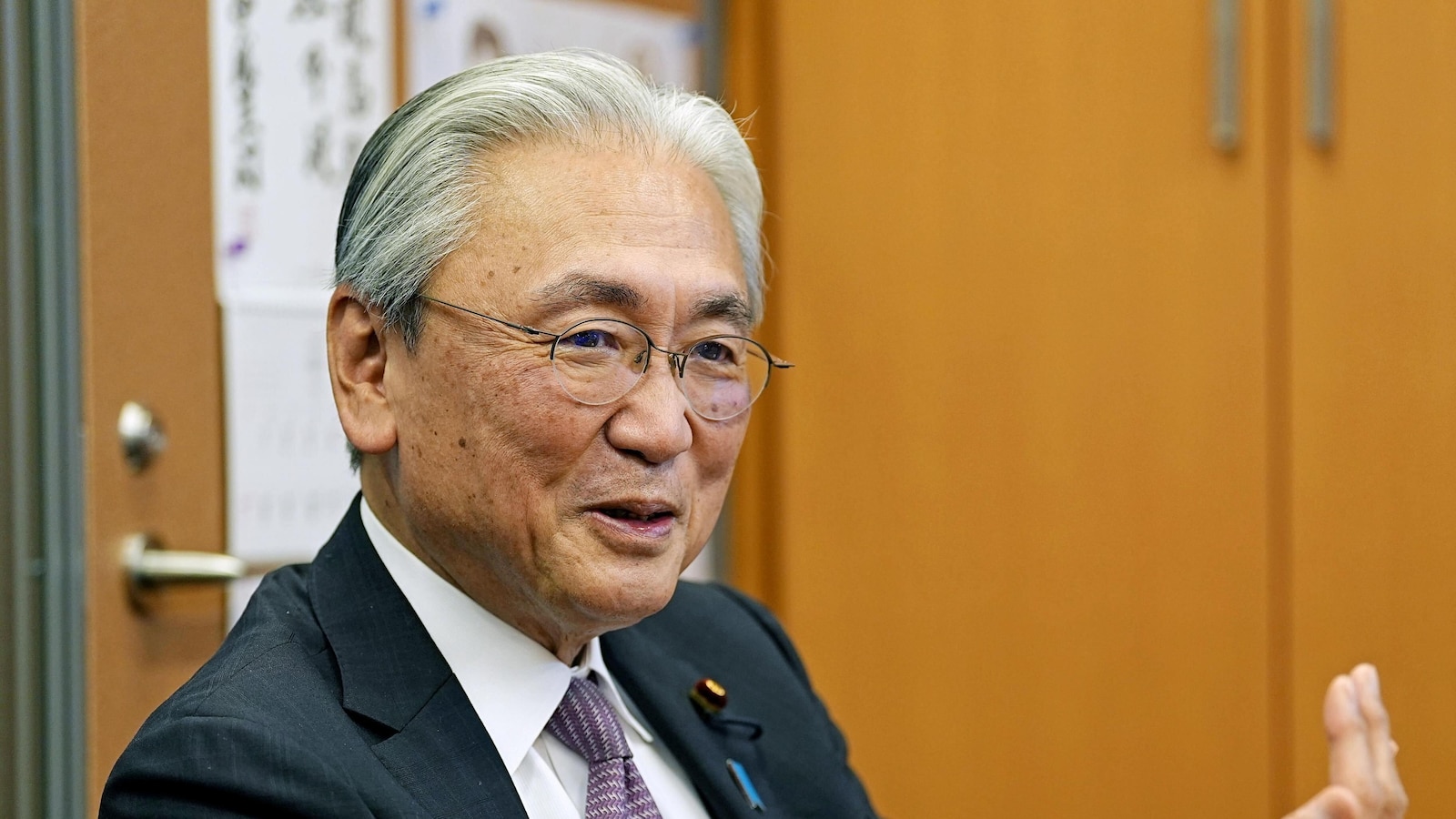
In a significant diplomatic move, China has sanctioned a Japanese lawmaker known for his close ties to Taiwan. This action underscores the escalating tensions between China and Japan over Taiwan's political status.
China's Sanctions Target Japanese Lawmaker
In a notable escalation of diplomatic tensions, China has announced sanctions against a Japanese lawmaker closely associated with Taiwan, marking a significant development in the ongoing geopolitical rivalry in the region. The sanctions were imposed on Hiroshi Takaichi, a prominent member of Japan's ruling Liberal Democratic Party (LDP) and a vocal supporter of Taiwan's democratic government.
Background of the Sanctions
The Chinese government has been increasingly assertive in its stance towards Taiwan, which it views as a breakaway province that must ultimately be reunified with the mainland. Takaichi's vocal support for Taiwan, including advocating for stronger Japan-Taiwan relations, has drawn the ire of Beijing. The sanctions against him are part of a broader strategy by China to deter foreign officials from engaging with Taiwanese leaders and to signal its discontent with any perceived support for Taiwan's sovereignty.
Details of the Sanctions
The specifics of the sanctions against Takaichi have not been fully disclosed, but they typically involve travel bans and asset freezes. Such measures are intended to limit the ability of targeted individuals to engage in international diplomacy or travel freely, thereby sending a warning to other foreign officials who might consider supporting Taiwan. This move follows a series of similar sanctions imposed by China on various foreign politicians and officials who have expressed support for Taiwan.
Reactions from Japan and the International Community
The Japanese government has expressed concern over China's sanctions, emphasizing the importance of maintaining open lines of communication and cooperation in the region. Japan's Prime Minister Fumio Kishida has reiterated Japan's commitment to supporting Taiwan, highlighting the shared democratic values between the two entities. The international community has also reacted, with several Western nations condemning China's actions as a violation of diplomatic norms.
Implications for Japan-Taiwan Relations
Takaichi's sanctions may have broader implications for Japan-Taiwan relations. As a key advocate for closer ties between the two, his marginalization could hinder efforts to strengthen diplomatic and economic partnerships. However, it may also galvanize support within Japan for a more assertive stance towards China, particularly among lawmakers who view Taiwan as a critical partner in the face of growing Chinese aggression.
China's Growing Assertiveness
This incident is part of a larger pattern of China's increasing assertiveness in the Asia-Pacific region. Beijing has been vocal about its opposition to any foreign interference in what it considers its internal affairs, particularly regarding Taiwan. The Chinese government has ramped up military exercises around Taiwan and has issued stern warnings to countries that engage with Taiwanese officials.
Conclusion
The sanctions against Takaichi serve as a reminder of the delicate balance of power in East Asia and the complexities of international relations in the region. As tensions continue to rise, the actions of individual lawmakers and their governments will play a crucial role in shaping the future of Taiwan's status and its relationships with neighboring countries, particularly Japan.