China Imposes Sanctions on 20 US Companies Over Taiwan Arms Deal
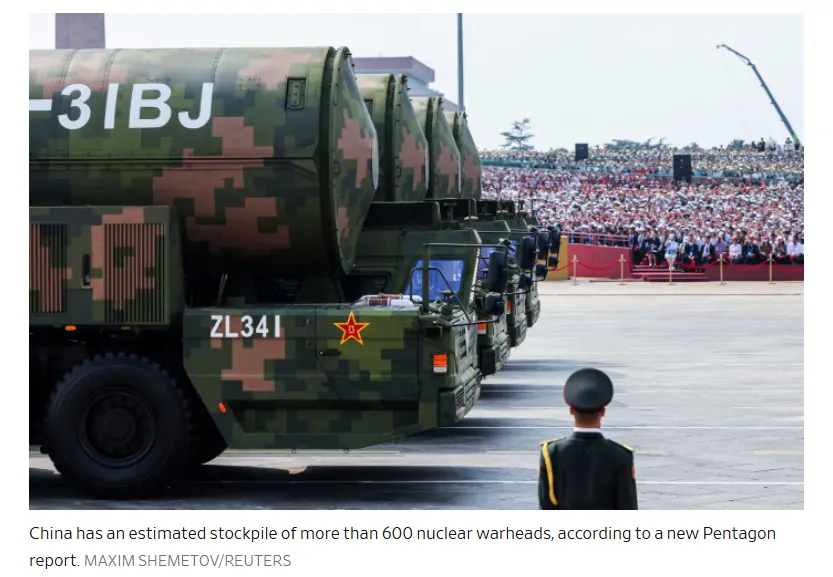
In a significant escalation of tensions, China has announced sanctions against 20 US companies involved in arms sales to Taiwan. This move reflects Beijing's ongoing discontent with US-Taiwan relations and its commitment to countering foreign military support for Taiwan.
China's Response to US Arms Sales to Taiwan
In a bold move that underscores the escalating tensions between China and the United States, Beijing has imposed sanctions on 20 American companies involved in arms sales to Taiwan. This decision comes in response to the recent approval of a substantial arms package by the US government, which is seen by China as a direct challenge to its sovereignty and territorial integrity.
Details of the Sanctions
The sanctions, announced by China's Ministry of Foreign Affairs, target various US defense contractors and firms that have been linked to the supply of military equipment to Taiwan. While the specific companies have not been publicly disclosed, sources indicate that major players in the defense industry are likely included, significantly impacting their operations and future contracts.
Beijing's Justification
China's government has consistently maintained that any military support for Taiwan undermines its claims over the island, which it views as a breakaway province. The Chinese Foreign Ministry stated that the sanctions are a necessary response to what it describes as the US's interference in China's internal affairs and its support for Taiwan's independence. This rhetoric has been a staple of China's foreign policy, particularly in light of increasing US-Taiwan military cooperation.
US-Taiwan Relations
The United States has been a longstanding supporter of Taiwan, providing it with military equipment and training to bolster its defense capabilities against potential aggression from China. The recent arms package, which includes advanced weaponry and defense systems, has been framed by US officials as essential for maintaining stability in the Taiwan Strait. However, this support has drawn sharp criticism from Beijing, which views it as a provocative act.
Implications of the Sanctions
The sanctions against US companies could have far-reaching implications for US-China relations, which have already been strained by trade disputes, technology competition, and human rights issues. Analysts warn that such measures could lead to a further deterioration of diplomatic ties, complicating efforts to address other global challenges.
Reactions from the US
In response to the sanctions, US officials have reiterated their commitment to supporting Taiwan's defense. A spokesperson for the US State Department emphasized that the US's relationship with Taiwan is based on shared democratic values and mutual interests. The spokesperson also indicated that the US would continue to provide Taiwan with the means to defend itself against coercion.
International Response
The international community is closely monitoring the situation, with many countries expressing concern over the potential for increased military tensions in the region. Some analysts suggest that the sanctions could lead to a recalibration of defense strategies among US allies in the Asia-Pacific, as they navigate the complexities of their relationships with both the US and China.
Conclusion
As the geopolitical landscape continues to evolve, the sanctions imposed by China on US companies signal a new chapter in the ongoing struggle over Taiwan. With both sides entrenched in their positions, the path forward remains fraught with uncertainty, raising questions about the future of US-China relations and the stability of the Taiwan Strait.