China Imposes Restrictions on Overseas-Incorporated Firms Seeking Hong Kong IPOs
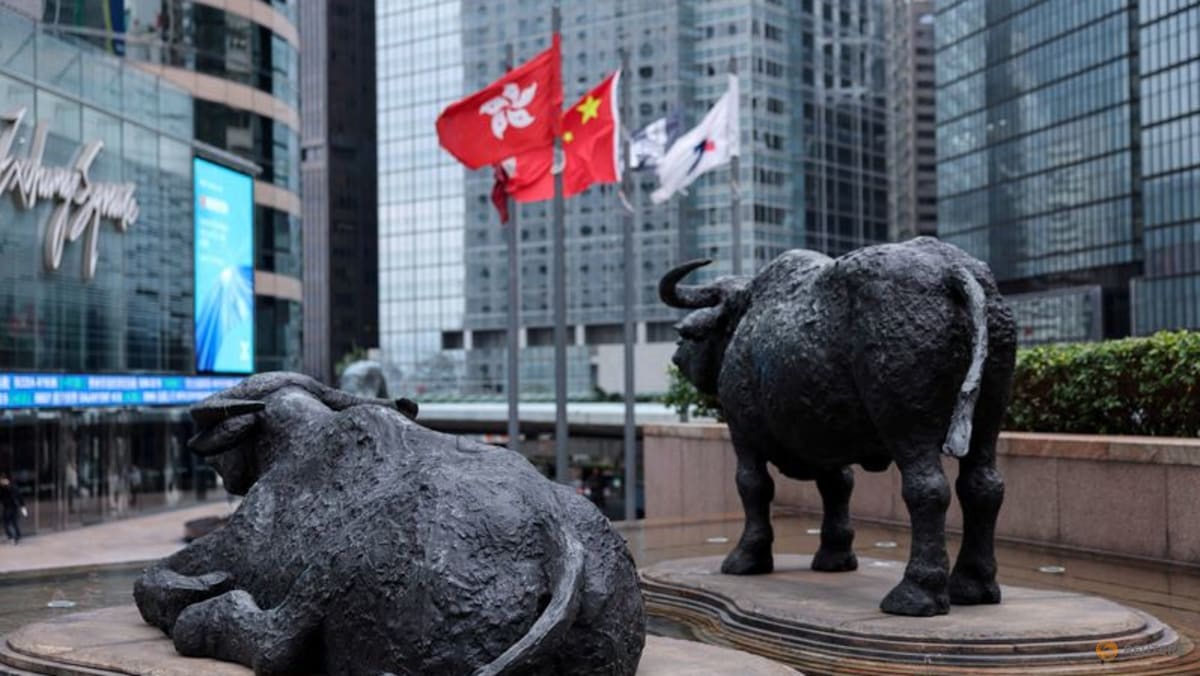
China has announced new regulations restricting certain overseas-incorporated companies from listing on the Hong Kong Stock Exchange. This move is part of a broader strategy to tighten control over the financial markets and ensure compliance with national security laws.
Introduction
In a significant shift in its financial regulatory landscape, China has unveiled new restrictions aimed at overseas-incorporated firms seeking to launch initial public offerings (IPOs) in Hong Kong. This decision, which has raised eyebrows among investors and analysts alike, is seen as part of a broader strategy to enhance state control over the economy and mitigate risks associated with foreign investments.
Details of the New Regulations
The new regulations, announced by the China Securities Regulatory Commission (CSRC), stipulate that companies incorporated outside of China must meet specific criteria to qualify for IPOs in Hong Kong. These criteria include a stringent review process that evaluates the company's adherence to Chinese laws and regulations, particularly those related to national security.
According to the CSRC, the restrictions are designed to prevent companies that may pose a risk to national security from accessing the Hong Kong capital markets. This move aligns with the Chinese government's ongoing efforts to tighten oversight of businesses operating in the region, particularly those with foreign ties.
Impact on Hong Kong's Financial Market
Hong Kong has long been a favored destination for companies looking to raise capital through public listings, thanks to its status as a global financial hub. However, these new restrictions could significantly alter the landscape of IPOs in the city. Analysts predict that the number of overseas firms seeking to list in Hong Kong may decline, leading to a potential decrease in the overall volume of IPOs.
Furthermore, the restrictions may deter foreign investors who have traditionally viewed Hong Kong as a gateway to the Chinese market. The uncertainty surrounding the regulatory environment could lead to a cautious approach from investors, potentially impacting the liquidity and attractiveness of the Hong Kong Stock Exchange.
Reactions from the Business Community
The business community has expressed mixed reactions to the new regulations. Some industry leaders argue that the restrictions could stifle innovation and deter foreign investment, while others believe that they are necessary to protect national interests and ensure compliance with Chinese laws.
“While we understand the need for national security, we also recognize that these restrictions could have unintended consequences for Hong Kong's status as a financial center,” said a spokesperson for a major investment firm. “It is crucial that the government finds a balance between regulation and fostering a conducive environment for business growth.”
Broader Implications for International Relations
This development also raises questions about the future of international relations, particularly between China and Western nations. The United States and other countries have expressed concerns over China's increasing control over its economy and the implications for global trade and investment.
Experts warn that if China continues to impose such restrictions, it may further alienate foreign investors and lead to a shift in capital flows away from Hong Kong. This could result in a more fragmented global financial landscape, with investors seeking alternative markets that offer greater regulatory transparency and stability.
Conclusion
As China implements these new restrictions on overseas-incorporated firms seeking IPOs in Hong Kong, the implications for the financial market are profound. Stakeholders must navigate this evolving landscape with caution, as the balance between national security and economic growth becomes increasingly delicate. The future of Hong Kong as a financial hub may depend on how effectively the government can manage these competing interests.