China Formalizes Ban on Yuan Stablecoins and RWA Tokenization
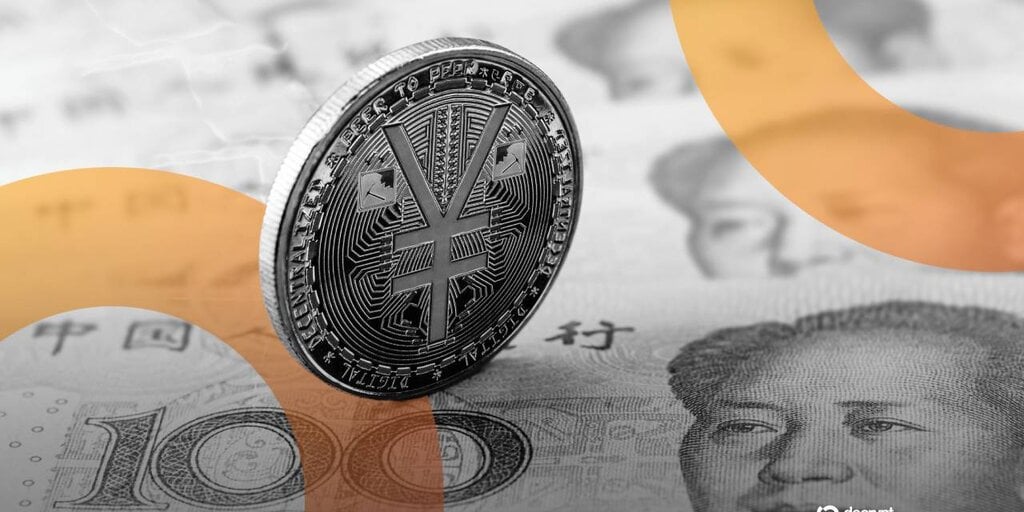
China has officially enacted a ban on yuan-backed stablecoins and the tokenization of real-world assets (RWAs). This move aims to tighten control over its financial system amidst growing concerns over cryptocurrency regulations.
China Takes a Firm Stance Against Yuan Stablecoins
In a significant regulatory shift, China has formalized a ban on yuan-backed stablecoins, alongside a prohibition on the tokenization of real-world assets (RWAs). This decision, announced by the People's Bank of China (PBOC), is part of the country's broader strategy to maintain strict control over its financial system and mitigate risks associated with the burgeoning cryptocurrency market.
The Implications of the Ban
The ban on yuan stablecoins is particularly noteworthy as it directly impacts the growing trend of digital assets that are pegged to the Chinese yuan. Stablecoins, which are designed to maintain a stable value by being tied to fiat currencies, have gained popularity among investors looking for less volatile options in the cryptocurrency space. However, the PBOC's move indicates a clear intent to prevent any potential challenges to the authority of the yuan and the country's monetary policy.
Context of the Ban
This regulatory action comes at a time when China is intensifying its efforts to regulate the cryptocurrency market. In recent years, the Chinese government has taken a hardline approach to cryptocurrencies, including banning initial coin offerings (ICOs) and shutting down domestic cryptocurrency exchanges. The latest ban on stablecoins further underscores the government's commitment to curbing the influence of digital currencies that operate outside its control.
Real-World Asset Tokenization Under Scrutiny
In addition to stablecoins, the PBOC's ban extends to the tokenization of real-world assets. This practice, which involves converting physical assets like real estate or commodities into digital tokens on a blockchain, has gained traction globally as a means to enhance liquidity and accessibility. However, the Chinese government is wary of the potential risks associated with such innovations, particularly concerning financial stability and regulatory oversight.
Global Reactions and Market Impact
The announcement has sent ripples through the global cryptocurrency market, with many investors and analysts closely monitoring the implications of China's regulatory stance. The ban is expected to have a cooling effect on the development of yuan-backed stablecoins, which had been gaining traction among traders looking for a safe harbor in the volatile crypto landscape. Additionally, the prohibition on RWA tokenization could stifle innovation in this area, potentially leading to a slowdown in the adoption of blockchain technology in traditional finance.
The Future of Cryptocurrency in China
As China continues to navigate the complexities of cryptocurrency regulation, the future of digital assets within its borders remains uncertain. The PBOC has emphasized its commitment to fostering a stable financial environment, which may lead to further restrictions on cryptocurrencies and related technologies. However, the global cryptocurrency landscape is rapidly evolving, and it remains to be seen how China's policies will adapt to these changes.
Conclusion
China's formalization of the ban on yuan stablecoins and RWA tokenization marks a pivotal moment in the country's approach to cryptocurrency regulation. As the government seeks to tighten its grip on the financial system, the implications of these measures will likely resonate throughout the global crypto market, influencing investor sentiment and shaping the future of digital assets.