China Evergrande Liquidators Pursue $8.4 Billion Lawsuit Against PwC
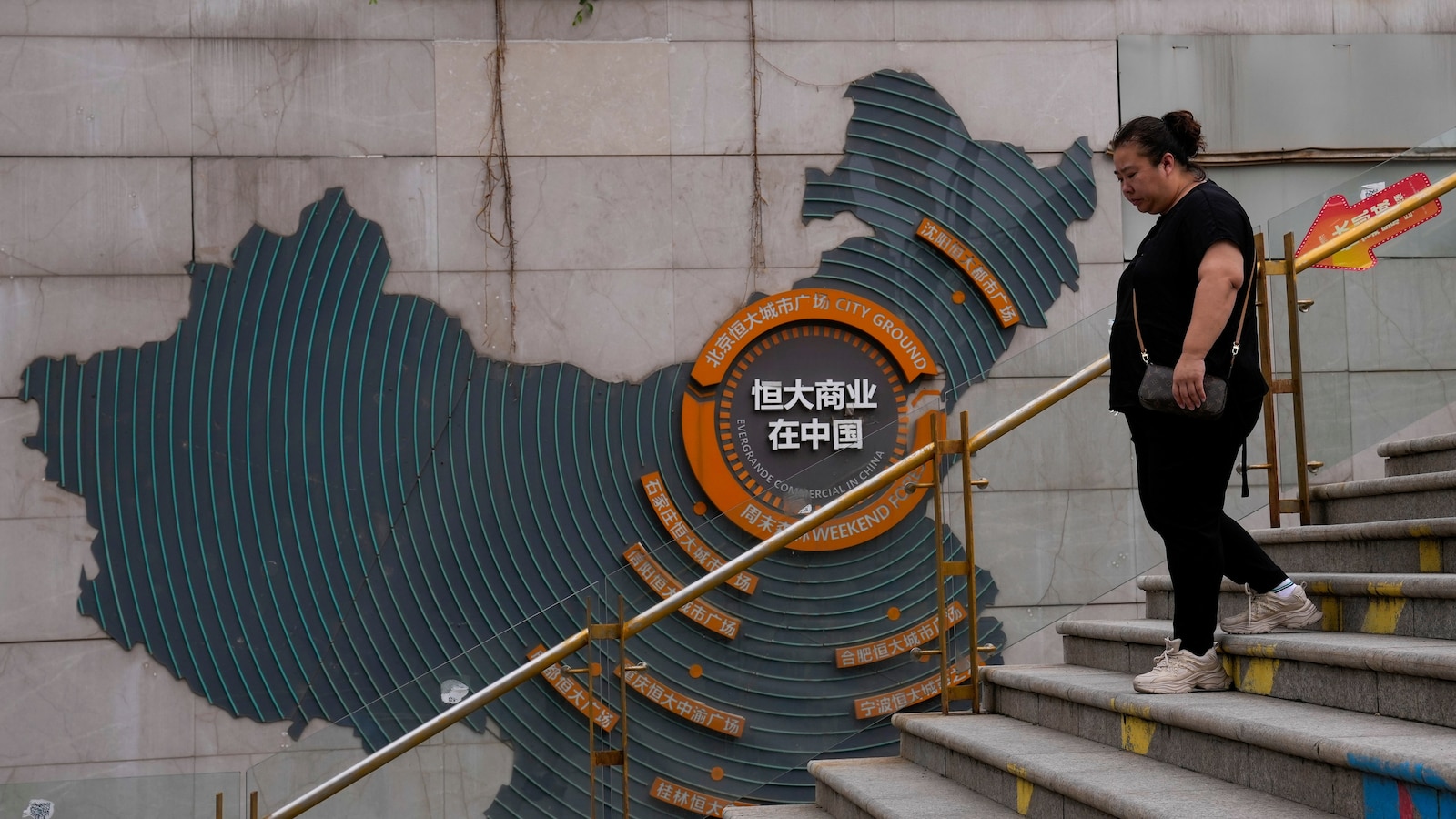
The liquidators of China Evergrande Group have filed a lawsuit against PricewaterhouseCoopers (PwC) in Hong Kong, seeking $8.4 billion in damages. This legal action stems from allegations of professional negligence related to the auditing of the embattled real estate giant's financial statements.
China Evergrande Liquidators Pursue $8.4 Billion Lawsuit Against PwC
The financial turmoil surrounding China Evergrande Group, one of the largest property developers in the world, has escalated into a significant legal battle. Liquidators representing the company have initiated a lawsuit against PricewaterhouseCoopers (PwC) in Hong Kong, claiming damages amounting to $8.4 billion. This lawsuit is a critical development in the ongoing saga of Evergrande's financial collapse, which has sent shockwaves through the global real estate market.
Background of the Case
Evergrande's financial troubles became public in 2021 when the company defaulted on its debts, leading to a liquidity crisis that affected not only its operations but also the broader Chinese economy. The company, which was once a titan in the real estate sector, has been struggling to manage over $300 billion in liabilities. The liquidators argue that PwC, as Evergrande’s auditor, failed to identify and report significant financial discrepancies that contributed to the company's downfall.
Allegations Against PwC
The lawsuit alleges that PwC's negligence in auditing Evergrande's financial statements allowed the company to mislead investors and creditors about its financial health. The liquidators contend that had PwC conducted its audits with due diligence, the extent of Evergrande's financial woes could have been revealed much earlier, potentially mitigating the damage to stakeholders.
PwC's Response
In response to the allegations, PwC has stated that it will vigorously defend itself against the claims. The firm has emphasized its commitment to maintaining high standards of audit quality and has expressed confidence in its compliance with applicable auditing standards during its tenure with Evergrande. The outcome of this lawsuit could have significant implications not only for PwC but also for the auditing profession as a whole, particularly in how firms manage their responsibilities in relation to high-risk clients.
Implications for the Real Estate Sector
The lawsuit against PwC is part of a broader narrative concerning the real estate sector in China, which has faced increasing scrutiny following Evergrande's collapse. Investors and regulators are closely watching the developments, as the outcome could influence future auditing practices and regulatory measures within the industry. The case highlights the critical role that auditors play in ensuring transparency and accountability in financial reporting, especially for companies operating in high-stakes environments.
Future Developments
As the legal proceedings unfold, the liquidators are expected to present substantial evidence to support their claims against PwC. Legal experts suggest that the case could take months, if not years, to resolve, given the complexity of the allegations and the amount of money at stake. The outcome will likely set a precedent for similar cases in the future, particularly in how auditors are held accountable for their work.
Conclusion
The $8.4 billion lawsuit against PwC by the liquidators of China Evergrande Group marks a pivotal moment in the ongoing fallout from the company's financial crisis. As the case progresses, it will be essential to monitor its implications for the auditing profession and the broader real estate market in China. Stakeholders across the globe will be keenly observing how this legal battle unfolds, as it could reshape perceptions of accountability and risk management in corporate governance.