China Ends Over Three Years of Factory Deflation After Oil Shock
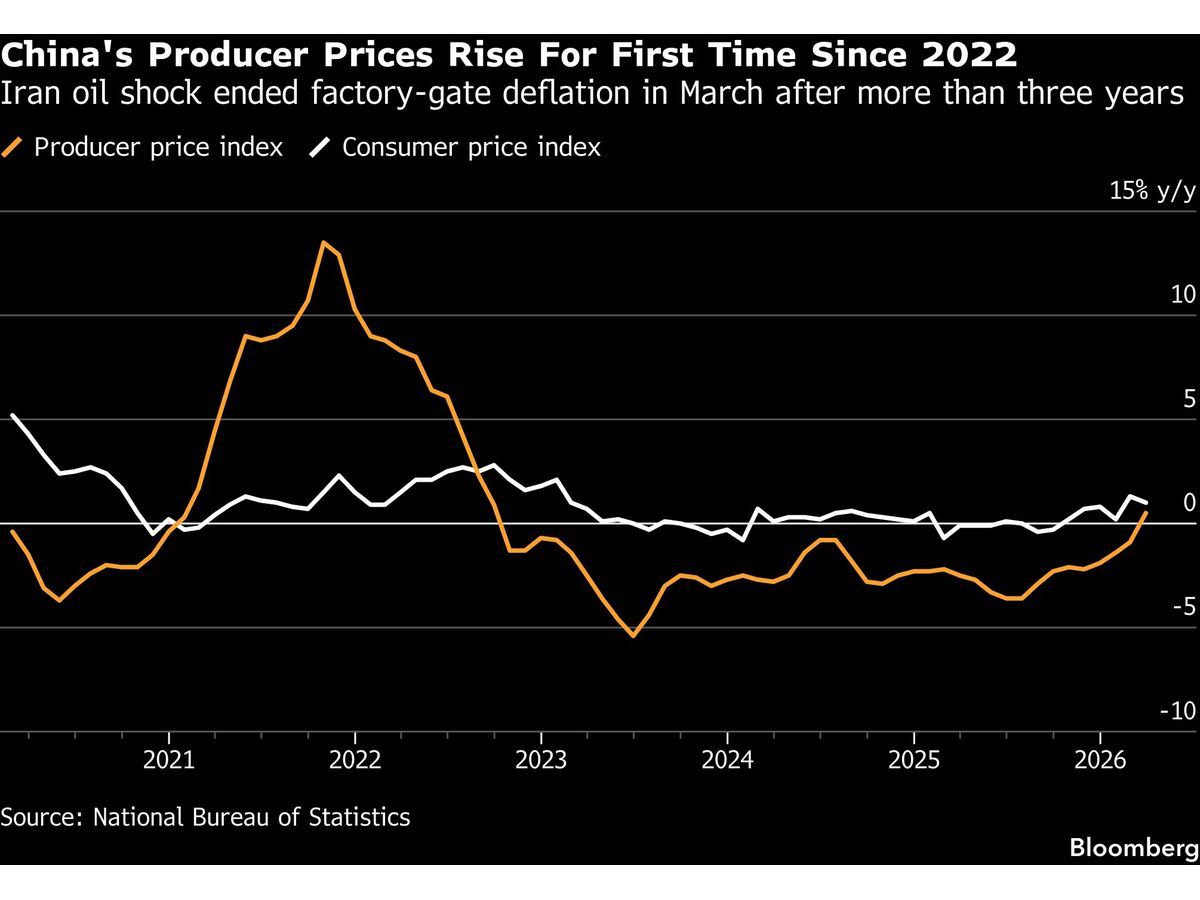
China has officially exited a prolonged period of factory deflation, a significant shift attributed to recent oil price surges. This development marks a turning point for the nation’s manufacturing sector, which has faced numerous challenges over the past few years.
China's Manufacturing Sector Rebounds
In a significant economic turnaround, China has reported the end of over three years of factory deflation, a trend largely influenced by recent spikes in oil prices. The National Bureau of Statistics (NBS) announced that the Producer Price Index (PPI), which measures the average changes in prices received by domestic producers for their output, rose by 0.5% year-on-year in September 2023, marking the first increase since early 2020.
Impact of Oil Prices
The resurgence in the PPI is primarily driven by soaring oil prices, which have surged due to a combination of geopolitical tensions and production cuts by major oil-producing nations. The global oil market has been volatile, with prices reaching levels not seen in several years, prompting manufacturers to adjust their pricing strategies accordingly. The increase in oil prices has had a cascading effect on production costs, leading to higher prices for a range of goods.
Manufacturing Sector Recovery
This shift comes at a crucial time for China's manufacturing sector, which has been grappling with the aftereffects of the COVID-19 pandemic and subsequent supply chain disruptions. The prolonged period of deflation had raised concerns about the health of the manufacturing industry, which is a key driver of China's economy. Analysts believe that the end of deflation could signal a broader recovery in industrial activity, providing a much-needed boost to the economy.
Economic Implications
The implications of this deflationary end are significant for policymakers and businesses alike. For the Chinese government, the increase in the PPI could ease concerns about a deflationary spiral, which can stifle economic growth and consumer spending. A stable or rising PPI is often seen as a sign of economic health, encouraging investment and consumer confidence.
Consumer and Business Reactions
Businesses are cautiously optimistic about the change, as higher prices could lead to increased revenues. However, there are concerns that sustained inflation could erode consumer purchasing power, especially if wages do not keep pace with rising costs. Consumers, on the other hand, may face higher prices for goods, which could impact their spending habits.
Future Outlook
Looking ahead, economists are closely monitoring the situation to see if the increase in factory prices will be sustained. Factors such as global oil prices, domestic demand, and supply chain stability will play crucial roles in determining the trajectory of the manufacturing sector. Some analysts predict that while the current increase in PPI is a positive sign, it may not be enough to fully counteract the challenges posed by global economic uncertainties.
Conclusion
In conclusion, China's exit from factory deflation represents a pivotal moment for its manufacturing sector, driven by rising oil prices and a recovering economy. As the nation navigates this new phase, the balance between inflation and economic growth will be critical in shaping the future of its industrial landscape.