China Emerges as Big Winner from Supreme Court's Tariff Ruling
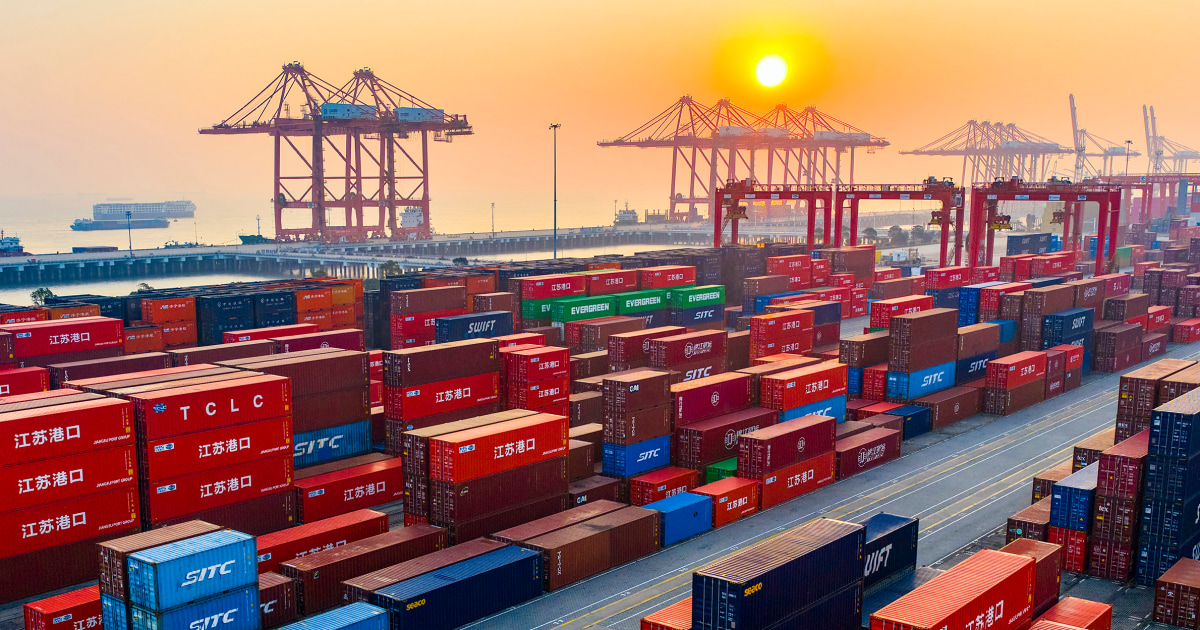
China has gained a significant advantage following the U.S. Supreme Court's recent ruling on tariffs, reshaping trade dynamics. This decision is expected to bolster China's economy while posing challenges for American businesses.
Introduction
In a landmark decision that has sent ripples through the global trade landscape, the U.S. Supreme Court has ruled in favor of a challenge against the tariffs imposed on Chinese goods during the trade war initiated by the Trump administration. This ruling has positioned China as a significant beneficiary, altering the trajectory of U.S.-China trade relations and raising questions about the future of American businesses.
The Supreme Court's Ruling
The Supreme Court's decision, which came down earlier this week, effectively invalidates a series of tariffs that had been levied on hundreds of billions of dollars worth of Chinese imports. The court found that the tariffs were not imposed in accordance with legal protocols, leading to a significant reduction in the financial burden on Chinese exporters. This ruling comes at a time when both economies are grappling with the lingering effects of the COVID-19 pandemic and the subsequent supply chain disruptions.
Impact on China
China's economy, which has shown signs of recovery, is set to benefit immensely from this ruling. With tariffs lifted, Chinese manufacturers can now export goods to the United States at more competitive prices, potentially increasing their market share. This is particularly crucial for sectors such as electronics, textiles, and machinery, where China has established itself as a dominant player. Analysts predict that the removal of these tariffs could lead to an increase in exports, further bolstering China's GDP growth in the coming quarters.
Reactions from Chinese Officials
Chinese officials have welcomed the Supreme Court's ruling, viewing it as a validation of their long-standing position against the tariffs. The Ministry of Commerce issued a statement praising the decision, emphasizing the importance of fair trade practices and the need for cooperation between the two nations. "This ruling is a step towards restoring normal trade relations and reflects the mutual benefits of economic collaboration," the statement read.
Challenges for American Businesses
While the ruling is a significant win for China, it poses challenges for American businesses that have been navigating the complexities of the tariff landscape. Many U.S. companies had adapted their supply chains to account for the tariffs, often leading to increased costs for consumers. With the tariffs now invalidated, these companies may face pressure to reduce prices, which could impact their profitability. Furthermore, the uncertainty surrounding future trade policies remains a concern for American manufacturers and retailers.
The Broader Trade Landscape
This ruling is likely to have implications beyond just the U.S.-China trade relationship. It sets a precedent for how tariffs can be challenged in the future, potentially opening the door for other countries to contest similar trade barriers. Experts suggest that this could lead to a reevaluation of trade policies not only in the United States but also in other nations that have imposed tariffs on imports.
Conclusion
As China emerges as a big winner from the Supreme Court's tariff ruling, the implications for global trade are profound. While China stands to gain economically, American businesses must now navigate a new landscape where competition is heightened. The ruling underscores the complexities of international trade and the need for ongoing dialogue and cooperation between the world's two largest economies.