China Considers Stricter Regulations for Companies Listing in Hong Kong
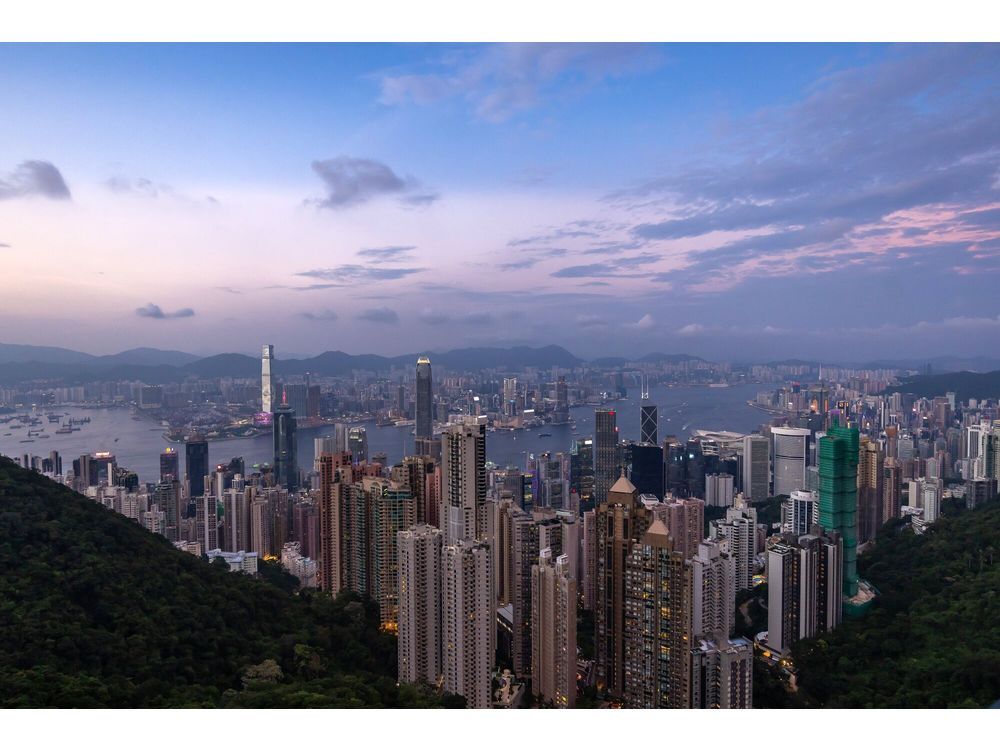
China is contemplating new regulations that would impose stricter requirements on companies seeking to list their shares in Hong Kong. This move could significantly impact the financial landscape and the attractiveness of Hong Kong as a global financial hub.
Introduction
In a significant shift that could reshape the financial landscape, Chinese authorities are reportedly weighing tighter regulations for companies looking to sell shares in Hong Kong. This potential move comes amid ongoing scrutiny of corporate governance and financial transparency, raising concerns about the future of Hong Kong as a leading international financial center.
Background
Hong Kong has long been a favored destination for Chinese companies seeking to raise capital through initial public offerings (IPOs). The city’s regulatory environment, which is perceived as more flexible compared to mainland China, has attracted numerous firms, especially in the technology and finance sectors. However, recent years have seen increased pressure from Beijing to tighten oversight and ensure that companies adhere to stricter governance standards.
Proposed Changes
The proposed regulations are expected to include more stringent disclosure requirements and enhanced scrutiny of financial statements. Companies may also be required to demonstrate a higher level of compliance with corporate governance standards before being allowed to list. This initiative aligns with the Chinese government's broader strategy to mitigate financial risks and enhance transparency in the corporate sector.
Impact on Companies
If implemented, these regulations could pose significant challenges for many firms. Companies that have relied on the relatively lenient listing process in Hong Kong may find themselves facing hurdles that could delay or even derail their plans to go public. Analysts predict that smaller firms, in particular, may struggle to meet the new requirements, potentially leading to a decrease in the number of IPOs in the city.
Market Reactions
The news of potential regulatory changes has already begun to reverberate throughout the financial markets. Investors are expressing concern about the implications for Hong Kong’s status as a premier listing venue. Shares of companies that are in the pipeline for IPOs have shown volatility, reflecting uncertainty about the future regulatory landscape.
Global Implications
The implications of these proposed regulations extend beyond Hong Kong. As the Chinese government tightens its grip on corporate governance, international investors may reassess their appetite for Chinese stocks. This could lead to a shift in capital flows, with investors potentially seeking more stable and transparent markets outside of China.
Government's Perspective
From the perspective of the Chinese government, these measures are seen as essential for maintaining economic stability and restoring investor confidence. Officials argue that enhancing regulatory frameworks will ultimately benefit the market by fostering a healthier corporate environment and reducing the risk of financial scandals.
Conclusion
As discussions around these potential regulations continue, the future of Hong Kong as a financial hub hangs in the balance. Stakeholders, including investors, companies, and regulators, will need to navigate this evolving landscape carefully. The outcome of these deliberations could have lasting effects on the dynamics of capital markets in the region and beyond.