China Automakers Set Sights on Wealthy Consumers at Hong Kong Auto Show
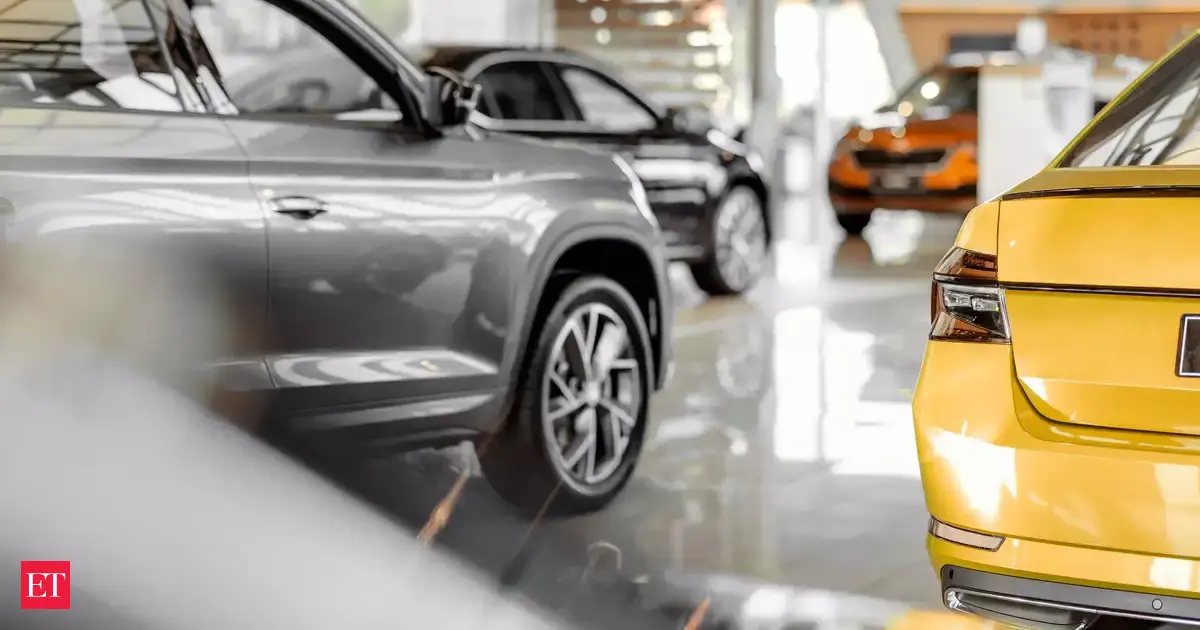
The Hong Kong Auto Show has become a battleground for Chinese automakers aiming to capture the affluent market in right-hand-drive regions. With a focus on luxury and innovation, these brands are redefining the automotive landscape in Asia.
Introduction
The 2023 Hong Kong Auto Show has attracted significant attention from both local and international audiences, showcasing a range of innovative vehicles from Chinese automakers. As the demand for luxury vehicles continues to rise in right-hand-drive markets, these brands are strategically positioning themselves to appeal to wealthy consumers.
Chinese Automakers on the Rise
In recent years, Chinese automobile manufacturers have made remarkable strides in the global automotive industry, particularly in the luxury segment. With brands such as NIO, BYD, and Geely taking center stage at the Hong Kong Auto Show, the focus is clear: cater to the affluent market that is increasingly turning to electric and high-end vehicles.
Targeting Right-Hand-Drive Markets
Hong Kong serves as a pivotal location for Chinese automakers looking to expand their reach into right-hand-drive markets, including the UK, Australia, and parts of Southeast Asia. The city's unique position as a global financial hub and its affluent consumer base make it an ideal launchpad for new models aimed at high-income buyers.
Luxury and Innovation
At the auto show, Chinese brands showcased a range of luxury electric vehicles (EVs) that combine cutting-edge technology with high-end design. NIO, for instance, unveiled its latest model, which features advanced autonomous driving capabilities and a luxurious interior tailored for comfort. Similarly, BYD's latest offering boasts impressive range and performance, appealing to consumers who prioritize sustainability without compromising on luxury.
Competitive Pricing and Features
One of the key advantages that Chinese automakers have is their ability to offer competitive pricing without sacrificing quality. Many of the vehicles displayed at the show come equipped with features typically found in much more expensive European brands, making them attractive options for discerning buyers. This strategy is particularly effective in markets where consumers are increasingly looking for value in their luxury purchases.
Building Brand Recognition
While Chinese automakers are gaining traction, they still face the challenge of building brand recognition and trust among consumers in established markets. The Hong Kong Auto Show provides an opportunity for these brands to showcase their commitment to quality and innovation, helping to reshape perceptions. Engaging marketing strategies and partnerships with local influencers are also crucial in establishing a foothold in these competitive markets.
Future Outlook
As the automotive industry continues to evolve, the emphasis on electric vehicles and sustainable practices is becoming increasingly important. Chinese automakers are well-positioned to lead this shift, with significant investments in EV technology and infrastructure. The success of these brands at the Hong Kong Auto Show could signal a new era for the automotive market, where luxury and sustainability go hand in hand.
Conclusion
The Hong Kong Auto Show has highlighted the ambitions of Chinese automakers to penetrate wealthy markets in right-hand-drive regions. With a focus on luxury, innovation, and competitive pricing, these brands are not only redefining their image but also setting new standards in the global automotive landscape. As they continue to gain momentum, it will be interesting to see how they navigate the challenges of brand recognition and consumer trust in the coming years.