China Asserts Global Authority to Punish Dissenters Beyond Its Borders
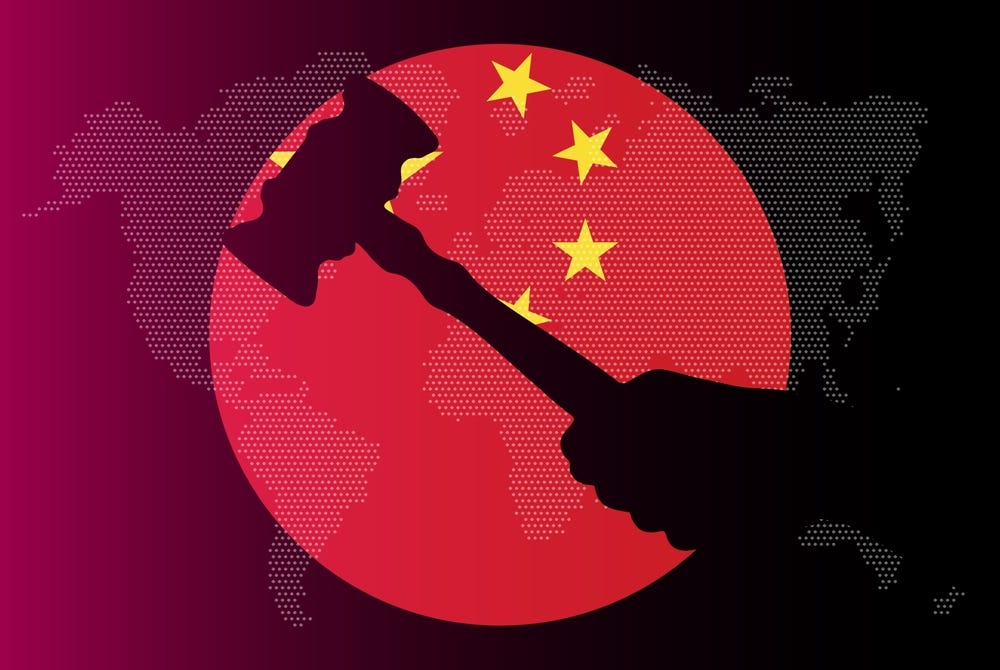
China's government is expanding its reach by claiming the right to punish critics and dissenters anywhere in the world. This controversial stance raises significant concerns about international law and human rights.
China's Expanding Reach
In a bold and controversial move, the Chinese government has publicly asserted its right to punish critics and dissenters anywhere on Earth. This declaration not only raises alarms about the implications for international law but also poses significant questions regarding the safety and freedom of individuals who oppose the Chinese Communist Party (CCP) from abroad.
Legal Justifications and Implications
Chinese officials have framed this new stance as a necessary measure to safeguard national security and uphold the dignity of the state. They argue that as a sovereign nation, China has the right to protect its interests and citizens, regardless of their location. This justification, however, is met with skepticism and concern from human rights advocates and international legal experts, who argue that such a claim could lead to extraterritorial actions that violate the sovereignty of other nations.
Recent Incidents and Global Reaction
Recent incidents have highlighted the potential ramifications of China's stance. Reports have surfaced of Chinese agents allegedly operating in foreign countries to intimidate or silence critics. For instance, the case of a Hong Kong activist who was allegedly targeted while living in the United States has raised serious concerns about the reach of Chinese law enforcement beyond its borders.
Internationally, reactions have been mixed. Some countries have condemned China's actions, emphasizing the importance of protecting free speech and the rights of individuals to express dissent. Others, however, have remained silent or have been reluctant to confront Beijing directly, reflecting the complex geopolitical landscape and the economic ties many nations share with China.
Human Rights Concerns
The implications of China's claim extend beyond legalities; they touch upon fundamental human rights issues. Critics argue that this approach could create a chilling effect on free expression, not just within China but globally. Individuals who speak out against the CCP may find themselves at risk of harassment, intimidation, or even legal repercussions, regardless of where they reside.
Human rights organizations have called for a unified international response to counteract China's aggressive posture. They argue that the international community must stand firm in defending the principles of free speech and human rights, lest they be undermined by authoritarian regimes.
International Law and Sovereignty
The assertion of extraterritorial jurisdiction by China raises significant questions about the principles of international law and state sovereignty. Legal scholars warn that if one nation can claim the right to punish dissenters globally, it could set a dangerous precedent, leading to a breakdown of established norms that govern international relations.
Many nations operate under the premise that individuals are protected by the laws of the country in which they reside. China's claim challenges this understanding, potentially leading to conflicts between nations as they navigate the complexities of foreign policy and domestic law.
Looking Ahead
As China continues to assert its authority on the global stage, the international community must grapple with the implications of its actions. The balance between national security and human rights will be a critical issue in the coming years, as countries navigate their relationships with China while striving to uphold the values of free speech and dissent.
In conclusion, China's claim to punish critics anywhere in the world is a significant escalation in its efforts to control dissent and protect its image. The global response to this assertion will be crucial in determining the future of international human rights and the sovereignty of nations.