China and Hong Kong Stocks Decline Amid Weak Economic Indicators and Property Sector Reforms
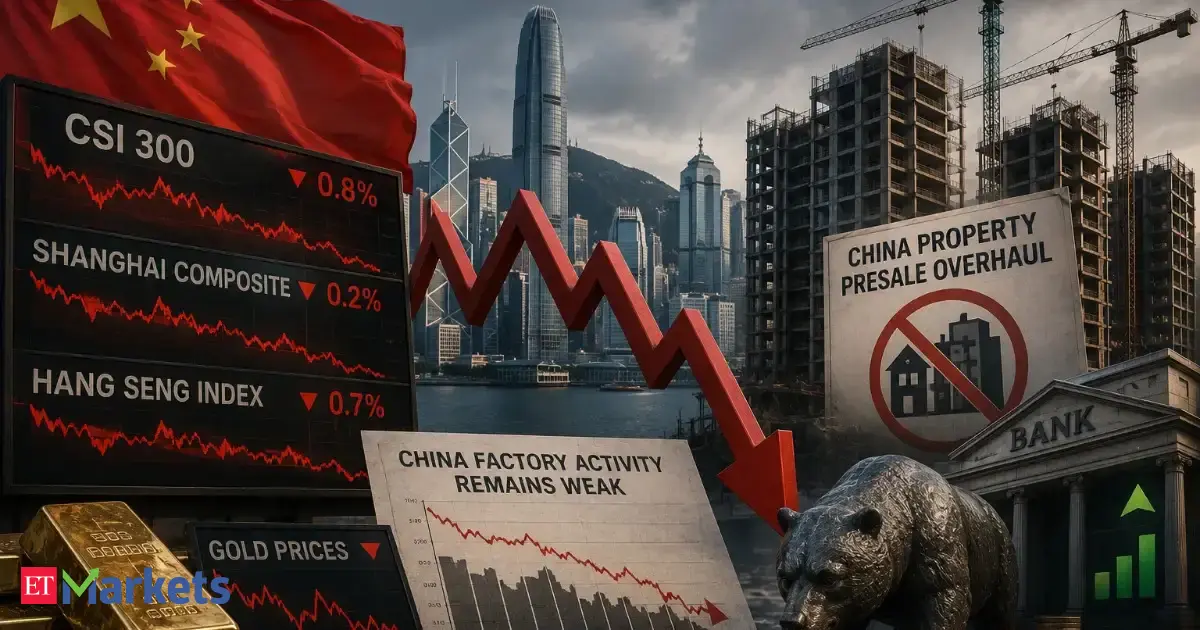
The stock markets in China and Hong Kong experienced a downturn as investors reacted to disappointing economic data and ongoing reforms in the property sector. Analysts warn that these challenges could further impact market confidence and economic recovery.
China and Hong Kong Stocks Decline
The financial markets in China and Hong Kong faced significant pressure on Tuesday, with stocks slipping in response to a series of weak economic indicators and ongoing reforms in the property sector. The downturn reflects growing concerns among investors about the overall health of the Chinese economy and the effectiveness of government measures aimed at stabilizing the property market.
Weak Economic Data
Recent reports have revealed a slowdown in key economic metrics, including manufacturing and consumer spending. China's manufacturing Purchasing Managers' Index (PMI) fell to 49.2 in September, down from 49.5 in August, indicating a contraction in the manufacturing sector. This decline has raised alarms about the sustainability of the country's economic recovery, which has been fragile since the lifting of COVID-19 restrictions.
Impact on Stock Markets
As a result of the disappointing economic data, the Shanghai Composite Index dropped by 1.2%, while Hong Kong's Hang Seng Index saw a decline of 1.5%. Analysts note that the markets are reacting not only to the immediate economic indicators but also to broader concerns about the long-term outlook for the Chinese economy. The ongoing property sector reforms, which have been aimed at curbing excessive debt and stabilizing housing prices, are also contributing to investor anxiety.
Property Sector Reforms
The Chinese government has been implementing a series of measures to address the challenges facing the property sector, which has been a significant driver of economic growth in recent years. However, these reforms have led to uncertainty among investors, particularly as major property developers continue to face financial difficulties. The recent bankruptcy of several high-profile companies in the sector has heightened fears of a broader economic fallout.
Investor Sentiment
Investor sentiment has been further dampened by the lack of clear guidance from the government on how it plans to navigate these economic challenges. Many market participants are calling for more decisive measures to stimulate growth, including potential interest rate cuts or increased fiscal spending. However, the government appears to be taking a cautious approach, balancing the need for economic support with the necessity of maintaining financial stability.
Global Economic Context
The situation in China and Hong Kong is not occurring in isolation; it is part of a broader global economic landscape that is facing its own challenges. Rising inflation, supply chain disruptions, and geopolitical tensions are all contributing to a climate of uncertainty in financial markets worldwide. Investors are closely monitoring developments in China, as the country remains a critical player in the global economy.
Looking Ahead
As the week progresses, market analysts will be keeping a close eye on any new economic data releases and government announcements regarding policy measures. The outlook for the Chinese economy remains uncertain, and the potential for further declines in stock prices cannot be ruled out. Investors are advised to remain cautious and to consider the implications of both domestic and international economic trends as they navigate this challenging environment.
Conclusion
The recent downturn in the stock markets of China and Hong Kong serves as a stark reminder of the complexities facing the region's economy. With weak economic data and ongoing property sector reforms weighing heavily on investor sentiment, the path to recovery appears fraught with challenges. Stakeholders will be watching closely for signs of stabilization and growth in the coming months.