China Acquires Sensitive US Technology Through F-35 Parts, Raising Security Concerns
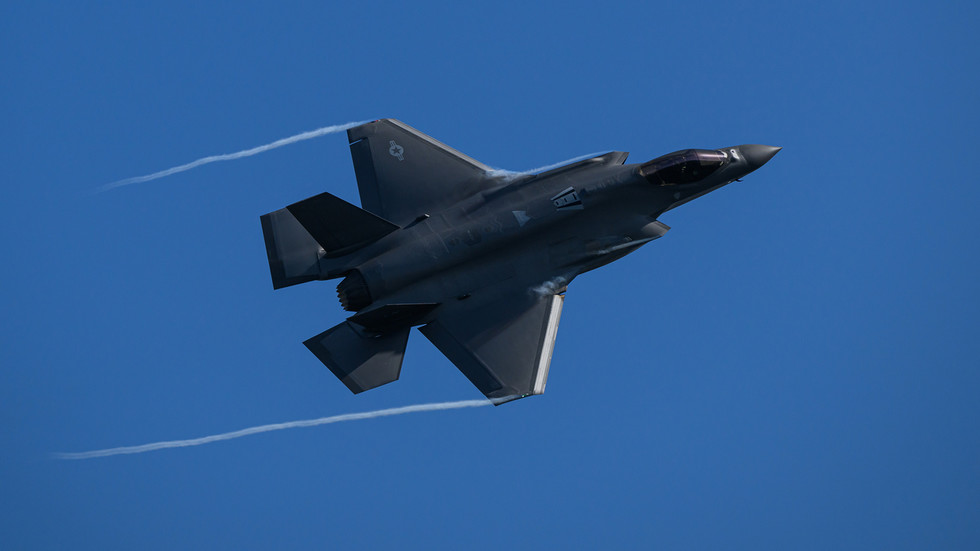
China has reportedly obtained parts from the US F-35 fighter jets that contain sensitive technology, prompting concerns over national security and military balance. This acquisition could have significant implications for international relations and defense strategies.
Introduction
In a development that has sent shockwaves through international defense circles, reports have emerged indicating that China has acquired components from the United States' F-35 fighter jets, which are embedded with sensitive US technology. This acquisition raises serious questions about national security and the potential implications for military balance in the Asia-Pacific region.
The Acquisition of F-35 Parts
According to a report by Bloomberg, the Chinese government has successfully obtained parts from the F-35 fighter jets, which are considered one of the most advanced military aircraft in the world. The F-35 program, developed by Lockheed Martin, incorporates cutting-edge technology, including stealth capabilities, advanced avionics, and sensor fusion, making it a critical asset for the US military and its allies.
Security Implications
The acquisition of these parts is particularly alarming to US defense officials and allies, as it could allow China to reverse-engineer crucial technologies that underpin the F-35's operational capabilities. This could lead to significant advancements in China's own military aviation programs, potentially altering the balance of power in the region. Experts warn that such developments could embolden China in its territorial disputes, particularly in the South China Sea and with Taiwan.
International Reactions
The news has prompted swift reactions from various stakeholders. US officials have expressed deep concern over the implications of this acquisition, emphasizing the need for enhanced security measures to protect sensitive technologies. Additionally, allies in the Asia-Pacific region, including Japan and Australia, are closely monitoring the situation, recognizing that advancements in Chinese military capabilities could pose a direct threat to their national security.
China's Military Modernization
This incident is not an isolated event but rather part of a broader trend in China's military modernization efforts. Over the past decade, China has made significant strides in developing its indigenous military capabilities, often through a combination of domestic innovation and foreign technology acquisition. The Chinese government has been known to employ various strategies to obtain sensitive technologies, including cyber espionage and industrial espionage.
Impact on US-China Relations
The acquisition of F-35 parts is likely to further strain already tense US-China relations. The Biden administration has been vocal about its commitment to countering China's growing influence and military capabilities. This incident may lead to increased scrutiny on technology exports to China and could result in further restrictions on foreign investments in sensitive sectors.
Conclusion
As the situation unfolds, the implications of China's acquisition of F-35 parts will likely reverberate across the international stage. The potential for enhanced Chinese military capabilities poses a significant challenge to US defense strategies and raises urgent questions about the future of security in the Asia-Pacific region. Policymakers will need to navigate this complex landscape with caution, balancing the need for technological advancement with the imperative of maintaining national security.