China Accused of Weaponizing AI to Undermine Taiwan's Democracy
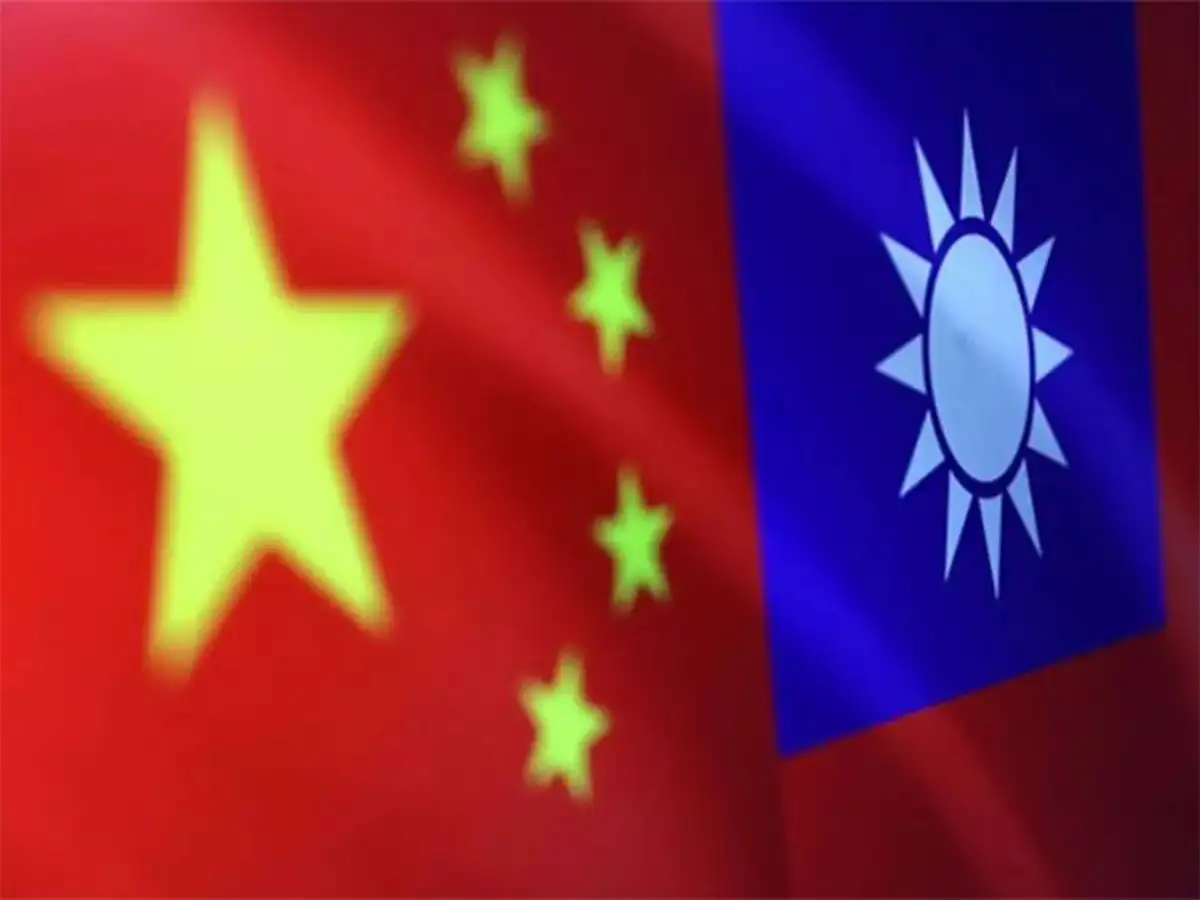
China is facing allegations of using artificial intelligence to destabilize Taiwan's democratic processes. This development raises significant concerns about the impact of technology on global political landscapes.
Introduction
In a troubling development that underscores the intersection of technology and geopolitics, China has been accused of weaponizing artificial intelligence (AI) to undermine the democratic processes in Taiwan. As tensions escalate between the two regions, experts warn that AI could become a pivotal tool in influencing public opinion and manipulating electoral outcomes.
Background
Taiwan, a self-governing island with a vibrant democracy, has long been viewed by China as a breakaway province. The Chinese government has consistently expressed its desire to reunify Taiwan with the mainland, using a combination of diplomatic pressure and military posturing. However, the recent allegations suggest a more insidious approach: the use of AI technologies to interfere in Taiwan's democratic institutions.
AI's Role in Modern Warfare
Artificial intelligence has rapidly evolved, providing new tools for both state and non-state actors to influence public discourse. From deepfake technology that can create realistic but fabricated videos to sophisticated algorithms that can analyze and predict voter behavior, AI has the potential to sway elections and manipulate public sentiment. Experts believe that China may be leveraging these technologies to create discord within Taiwan, particularly ahead of upcoming elections.
Evidence of Interference
Reports indicate that Chinese operatives have been deploying AI-driven bots on social media platforms to spread misinformation and sow division among the Taiwanese populace. These bots are designed to mimic human behavior, making it difficult for users to discern between genuine discourse and orchestrated propaganda. The goal is to create an environment of uncertainty and distrust, undermining the integrity of Taiwan's electoral process.
The Response from Taiwan
In response to these allegations, Taiwanese officials have ramped up their efforts to combat misinformation. The government has initiated public awareness campaigns to educate citizens about the dangers of fake news and the tactics used by foreign actors to influence opinions. Additionally, Taiwan's cybersecurity agencies are working diligently to identify and neutralize AI-driven threats.
International Implications
The implications of this situation extend beyond the Taiwan Strait. As democracies around the world grapple with the challenges posed by AI and misinformation, Taiwan's experience serves as a cautionary tale. If left unchecked, the weaponization of AI could undermine democratic institutions globally, leading to a crisis of trust in electoral processes.
Conclusion
The allegations against China highlight the urgent need for international cooperation to address the challenges posed by AI in the political arena. As Taiwan prepares for its upcoming elections, the world watches closely, recognizing that the outcome may have far-reaching consequences for democracy itself. The intersection of technology and politics is a battleground that requires vigilance, transparency, and a commitment to safeguarding democratic values.