Challenges of a Venezuela-Style Strike on Taiwan's Leadership
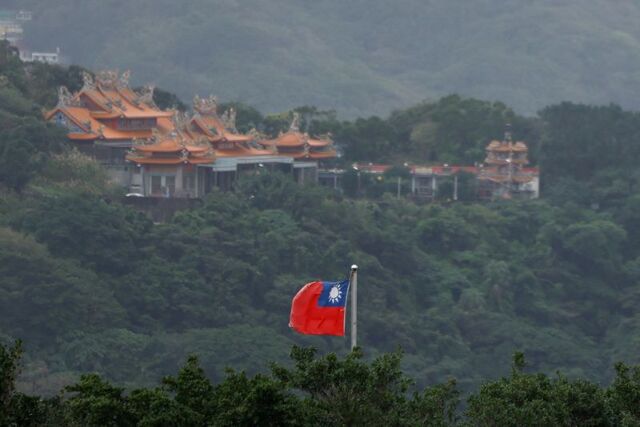
China's potential military strategy against Taiwan raises concerns about the complexities involved in executing a Venezuela-style operation. Analysts warn that such an approach could backfire, complicating China's objectives in the region.
Introduction
As tensions escalate in the Taiwan Strait, analysts are increasingly scrutinizing the potential military strategies that China might employ to assert its dominance over Taiwan. One such strategy that has been discussed is a Venezuela-style strike aimed at incapacitating Taiwan's leadership. However, experts caution that this approach could prove to be more complicated than China anticipates.
The Venezuela Model
The term 'Venezuela-style strike' refers to a targeted operation aimed at neutralizing key political figures, similar to tactics observed in Venezuela during its political crisis. In the context of Taiwan, this would imply a swift and decisive action to eliminate or incapacitate Taiwanese leaders, thereby destabilizing the government and creating an opportunity for China to exert control.
Complexities of Execution
While the idea may seem straightforward, analysts argue that executing such a strategy in Taiwan presents numerous challenges. First and foremost, Taiwan's geographical landscape, characterized by its mountainous terrain and urban centers, complicates any military operation. Unlike Venezuela, where the political landscape is more centralized, Taiwan's leadership is dispersed, making it difficult to target effectively.
International Repercussions
Moreover, a Venezuela-style strike on Taiwan could provoke significant international backlash. The United States and its allies have consistently expressed their commitment to Taiwan's defense. A military action against Taiwan could trigger a response that escalates into a broader conflict, drawing in major powers and destabilizing the entire region.
Public Sentiment and Resistance
Another factor that complicates this potential strategy is the strong sense of national identity among the Taiwanese people. Unlike Venezuela, where political divisions have led to significant internal strife, Taiwan enjoys a robust democratic framework and a populace that largely supports its sovereignty. Any attempt to undermine the government through military means could galvanize public resistance, uniting citizens against perceived aggression from China.
Technological Considerations
In addition, advancements in military technology have changed the dynamics of warfare. Taiwan has invested heavily in defensive capabilities, including missile systems and cyber defenses, which would pose significant challenges to any aggressive military operation. An underestimation of Taiwan's preparedness could lead to severe repercussions for China, potentially resulting in a protracted conflict rather than a swift victory.
Conclusion
As the situation in the Taiwan Strait continues to evolve, the prospect of a Venezuela-style strike raises critical questions about China's strategic calculations. While the goal of neutralizing Taiwanese leadership may appear appealing, the complexities involved in executing such a plan could lead to unintended consequences. Analysts urge caution, emphasizing the need for a more nuanced approach that considers the geopolitical landscape and the resilience of the Taiwanese people.