Cathay Pacific and Google Team Up for AI-Driven Contrail Avoidance in Ultra-Long-Haul Flights
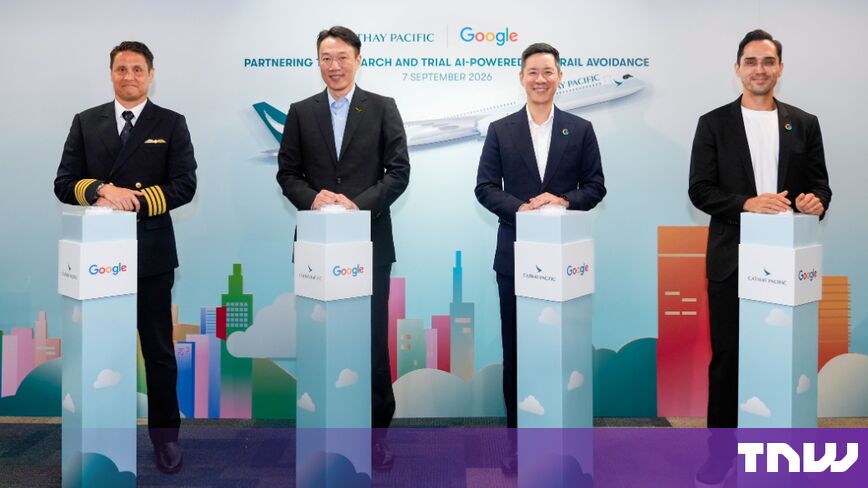
Cathay Pacific partners with Google to leverage AI technology aimed at reducing contrails during ultra-long-haul flights. This collaboration seeks to enhance sustainability in aviation while optimizing flight routes.
Cathay Pacific and Google Team Up for AI-Driven Contrail Avoidance in Ultra-Long-Haul Flights
In a groundbreaking move towards sustainable aviation, Cathay Pacific has announced a partnership with tech giant Google to develop artificial intelligence (AI) solutions aimed at minimizing contrail formation during ultra-long-haul flights. This collaboration marks a significant step in the airline's ongoing commitment to reducing its environmental footprint while enhancing operational efficiency.
Understanding Contrails and Their Environmental Impact
Contrails, or condensation trails, are formed when water vapor from aircraft engines condenses and freezes in the cold upper atmosphere, creating visible white streaks in the sky. While they may seem harmless, these contrails can contribute to climate change by trapping heat in the atmosphere, thus exacerbating global warming. As air travel continues to rise, the aviation industry faces increasing scrutiny over its environmental impact, prompting airlines to seek innovative solutions.
The Role of AI in Sustainable Aviation
The partnership between Cathay Pacific and Google aims to harness AI technology to analyze weather patterns and optimize flight routes in real-time, thereby avoiding conditions that lead to contrail formation. By utilizing advanced data analytics and machine learning algorithms, the airline hopes to improve its flight planning processes, reducing the likelihood of contrail generation without compromising on safety or passenger comfort.
Benefits of the Collaboration
The implications of this partnership extend beyond just environmental benefits. By reducing contrail formation, Cathay Pacific can potentially lower its fuel consumption, leading to cost savings and increased operational efficiency. Additionally, the airline is likely to enhance its reputation as a leader in sustainable aviation practices, appealing to environmentally conscious travelers.
Industry Reactions and Future Prospects
The aviation industry has welcomed this collaboration, with many experts praising the proactive approach taken by Cathay Pacific. Industry analysts believe that this initiative could set a precedent for other airlines to follow suit, encouraging a broader shift towards sustainability in aviation. As climate change continues to be a pressing global issue, the integration of AI technology in flight operations may become a standard practice across the industry.
Cathay Pacific's Commitment to Sustainability
Cathay Pacific has long been an advocate for sustainable practices within the aviation sector. The airline has implemented various initiatives aimed at reducing its carbon emissions, including fleet modernization, sustainable fuel usage, and waste reduction programs. This latest partnership with Google further solidifies its commitment to innovation in sustainability, positioning the airline as a forward-thinking leader in the industry.
Conclusion
The collaboration between Cathay Pacific and Google represents a significant advancement in the quest for sustainable aviation. By leveraging cutting-edge AI technology to mitigate contrail formation, the airline is taking a bold step towards reducing its environmental impact while enhancing operational efficiency. As the aviation industry continues to evolve, partnerships like this will be crucial in addressing the challenges posed by climate change and ensuring a greener future for air travel.