Cathay Pacific and Google Collaborate on AI Trials to Reduce Contrails
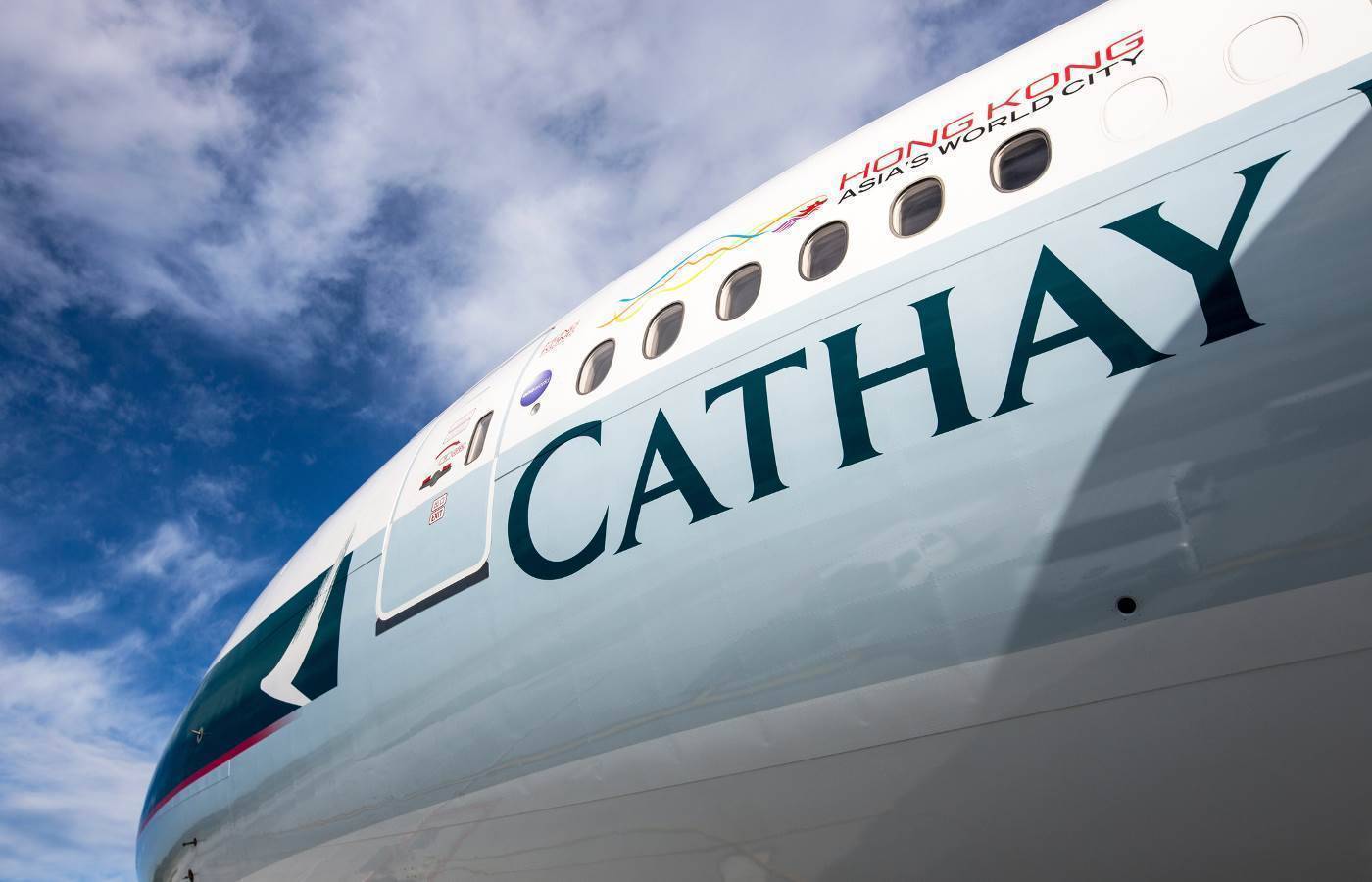
Cathay Pacific and Google have initiated AI trials aimed at reducing contrails, the white streaks left by aircraft in the sky. This collaboration is part of a broader effort to enhance aviation sustainability and minimize the environmental impact of air travel.
Cathay Pacific and Google Collaborate on AI Trials to Reduce Contrails
In a groundbreaking partnership, Cathay Pacific Airways has teamed up with tech giant Google to conduct artificial intelligence (AI) trials focused on reducing contrails produced by aircraft. This initiative marks a significant step towards enhancing the sustainability of air travel, addressing one of the aviation industry's key environmental challenges.
Understanding Contrails and Their Environmental Impact
Contrails, short for condensation trails, are formed when water vapor from aircraft engines condenses and freezes in the cold upper atmosphere, creating visible white streaks. While they may seem innocuous, these contrails can contribute to climate change by trapping heat in the atmosphere, thus exacerbating global warming. According to a study published by the European Commission, contrails account for roughly 50% of the aviation industry's climate impact, making their reduction a priority for airlines and environmental advocates alike.
The Role of AI in Reducing Contrails
The collaboration between Cathay Pacific and Google aims to leverage advanced AI algorithms to optimize flight paths and operational procedures. By analyzing vast amounts of data, including weather conditions and atmospheric patterns, the AI system can identify the most efficient routes that minimize contrail formation. This proactive approach not only seeks to reduce the environmental footprint of flights but also aims to enhance overall operational efficiency.
Initial Trials and Future Prospects
The initial phase of the trials will involve a select number of flights operated by Cathay Pacific. During these flights, the AI system will monitor real-time data and provide recommendations to pilots on how to adjust altitude and flight paths to mitigate contrail formation. If successful, the program could be expanded to include a larger fleet, potentially leading to significant reductions in contrail emissions across the airline's operations.
Industry Response and Sustainability Goals
The aviation industry has been under increasing pressure to address its environmental impact, with many airlines setting ambitious sustainability goals. Cathay Pacific's collaboration with Google is a testament to the airline's commitment to innovation and environmental responsibility. The airline has previously announced its goal of achieving net-zero carbon emissions by 2050, and this AI initiative is a crucial component of that strategy.
Broader Implications for the Aviation Sector
This partnership also highlights the growing trend of integrating technology and sustainability in the aviation sector. As airlines around the world seek to balance operational efficiency with environmental stewardship, collaborations like this could pave the way for more innovative solutions. Other airlines may look to replicate Cathay Pacific's approach, potentially leading to widespread changes in how air travel is conducted.
Conclusion
The trials between Cathay Pacific and Google represent a promising step forward in the quest for sustainable aviation. By harnessing the power of AI to address the issue of contrails, the partnership not only aims to reduce the environmental impact of flights but also sets a precedent for future collaborations in the industry. As the world continues to grapple with climate change, initiatives like these are crucial in steering the aviation sector towards a more sustainable future.