Cardinal Zen Critiques Synodality as Manipulative and Insulting to Bishops
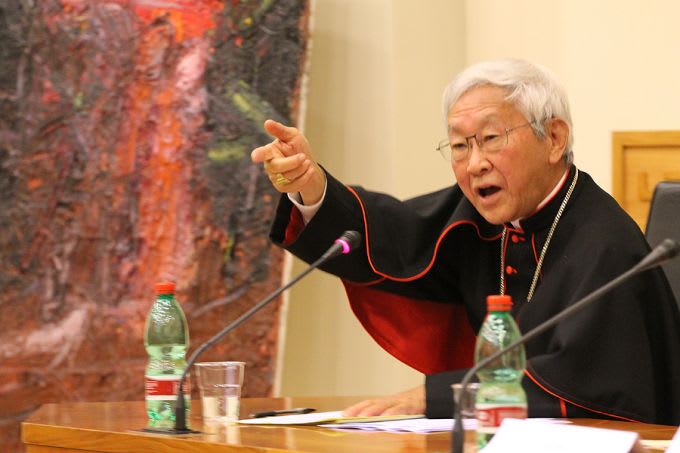
Cardinal Joseph Zen has voiced strong opposition to the Catholic Church's synodal process, labeling it as 'ironclad manipulation' and an affront to the dignity of bishops. His remarks come amidst ongoing debates about the direction of the Church under Pope Francis.
Cardinal Zen's Strong Words Against Synodality
In a recent consistory, Cardinal Joseph Zen, the former bishop of Hong Kong and a prominent figure in the Catholic Church, delivered a scathing critique of the synodal process initiated by Pope Francis. Zen's remarks have ignited discussions about the future of the Church and the implications of synodality on its governance and teachings.
Context of the Critique
The synodal process, which aims to foster greater participation among the laity and bishops in Church decision-making, has been a cornerstone of Pope Francis's papacy. However, Zen has expressed deep concerns that this approach undermines the authority of bishops and leads to what he describes as 'ironclad manipulation.' He argues that the process is more about consolidating power than genuinely seeking the input of Church leaders and the faithful.
Zen's Perspective on Church Governance
Cardinal Zen has long been an advocate for traditional Catholic values and has been critical of various reforms introduced under Pope Francis. His recent statements reflect a broader unease among some clergy regarding the direction of the Church. Zen contends that the synodal process is not merely a reform but a fundamental shift that could alter the Church's identity and mission.
Concerns Over Manipulation
During the consistory, Zen articulated his fears that the synodal process could lead to a dilution of doctrinal teachings. He stated, 'What we are witnessing is an ironclad manipulation of the Church's governance, which could ultimately lead to a crisis of faith among the laity.' His comments resonate with a faction of the Church that feels the current leadership is straying from traditional Catholic teachings in favor of a more modern and inclusive approach.
Reactions from the Church Community
Zen's remarks have sparked a mixed response within the Church. Supporters of the synodal process argue that it is essential for the Church to evolve and address contemporary issues facing its members. They believe that greater inclusivity can lead to a more vibrant and engaged Church community. On the other hand, Zen's supporters echo his concerns, fearing that the synodal approach may lead to heretical teachings and a departure from core Catholic doctrines.
Implications for the Future
The debate surrounding synodality is likely to intensify as the Church moves forward with its plans for future synods. The upcoming synodal assembly, scheduled for 2024, will focus on the theme of synodality itself, raising questions about the legitimacy and effectiveness of the process that Zen has criticized. As the Church grapples with these issues, the divide between traditionalists and progressives may become more pronounced.
Conclusion
Cardinal Zen's outspoken criticism of synodality highlights the tensions within the Catholic Church as it navigates the complexities of modernity while striving to remain true to its foundational beliefs. As discussions continue, the Church faces the challenge of balancing tradition with the need for reform, a task that will undoubtedly shape its future trajectory.