BYD Reports Significant Drop in First Quarter Net Profit Amidst Market Challenges
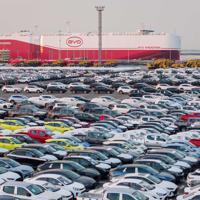
Chinese electric vehicle giant BYD has reported a staggering 55 percent decline in its net profit for the first quarter of the year, raising concerns about the company's future in a competitive market. This downturn highlights the challenges faced by the EV industry as it navigates fluctuating demand and rising costs.
BYD's Financial Performance Raises Eyebrows
In a surprising turn of events, BYD, the Chinese electric vehicle (EV) giant, has reported a dramatic 55 percent drop in its net profit for the first quarter of the year. This significant decline has sent ripples through the automotive industry, raising questions about the sustainability of the company’s growth and its ability to navigate an increasingly competitive market.
Understanding the Numbers
According to the company's financial report, BYD's net profit fell to 1.6 billion yuan (approximately $230 million) in the first three months of 2023, down from 3.6 billion yuan during the same period last year. The decline is attributed to several factors, including rising raw material costs, increased competition within the EV sector, and a slowdown in consumer demand.
Market Conditions and Competition
The EV market has become increasingly saturated, with numerous manufacturers vying for market share. Traditional automakers are ramping up their electric vehicle offerings, while new entrants continue to emerge, intensifying competition. This shift has led to price wars, which have further pressured profit margins across the industry.
Additionally, BYD is facing challenges from both domestic and international players. Companies like Tesla, which has established a strong foothold in the market, and local rivals such as NIO and Xpeng, are pushing for innovation and aggressive pricing strategies. This competitive landscape is forcing BYD to rethink its strategies to maintain its position as a market leader.
Impact of Rising Raw Material Costs
Another significant factor contributing to BYD's profit decline is the rising cost of raw materials. The prices of lithium, cobalt, and nickel, essential components for EV batteries, have soared over the past year. These increases have not only impacted BYD’s production costs but have also forced the company to make tough decisions regarding pricing and production volumes.
BYD's Strategic Response
In response to these challenges, BYD has announced plans to enhance its operational efficiency and reduce costs. The company is focusing on vertical integration, which involves controlling more of its supply chain to mitigate the impact of raw material price fluctuations. Furthermore, BYD is investing in research and development to innovate and improve its product offerings, aiming to distinguish itself from competitors.
Future Outlook
Despite the current downturn, analysts remain cautiously optimistic about BYD's long-term prospects. The global shift towards sustainable energy and electric vehicles is expected to continue, and BYD's extensive experience in battery technology and manufacturing could serve as a competitive advantage in the future.
Moreover, the Chinese government’s continued support for the EV industry, including subsidies and incentives for consumers, may help bolster demand in the coming quarters. As the market stabilizes and BYD adapts to the changing landscape, the company could potentially recover from this setback.
Conclusion
BYD's 55 percent drop in net profit for the first quarter serves as a stark reminder of the challenges facing the electric vehicle industry. As competition intensifies and costs rise, it will be crucial for BYD to implement effective strategies to navigate these turbulent waters. The company's ability to innovate and adapt will determine its success in the evolving automotive landscape.