Brisbane West Wellcamp Airport Pioneers Sustainable Concrete Use in Aviation
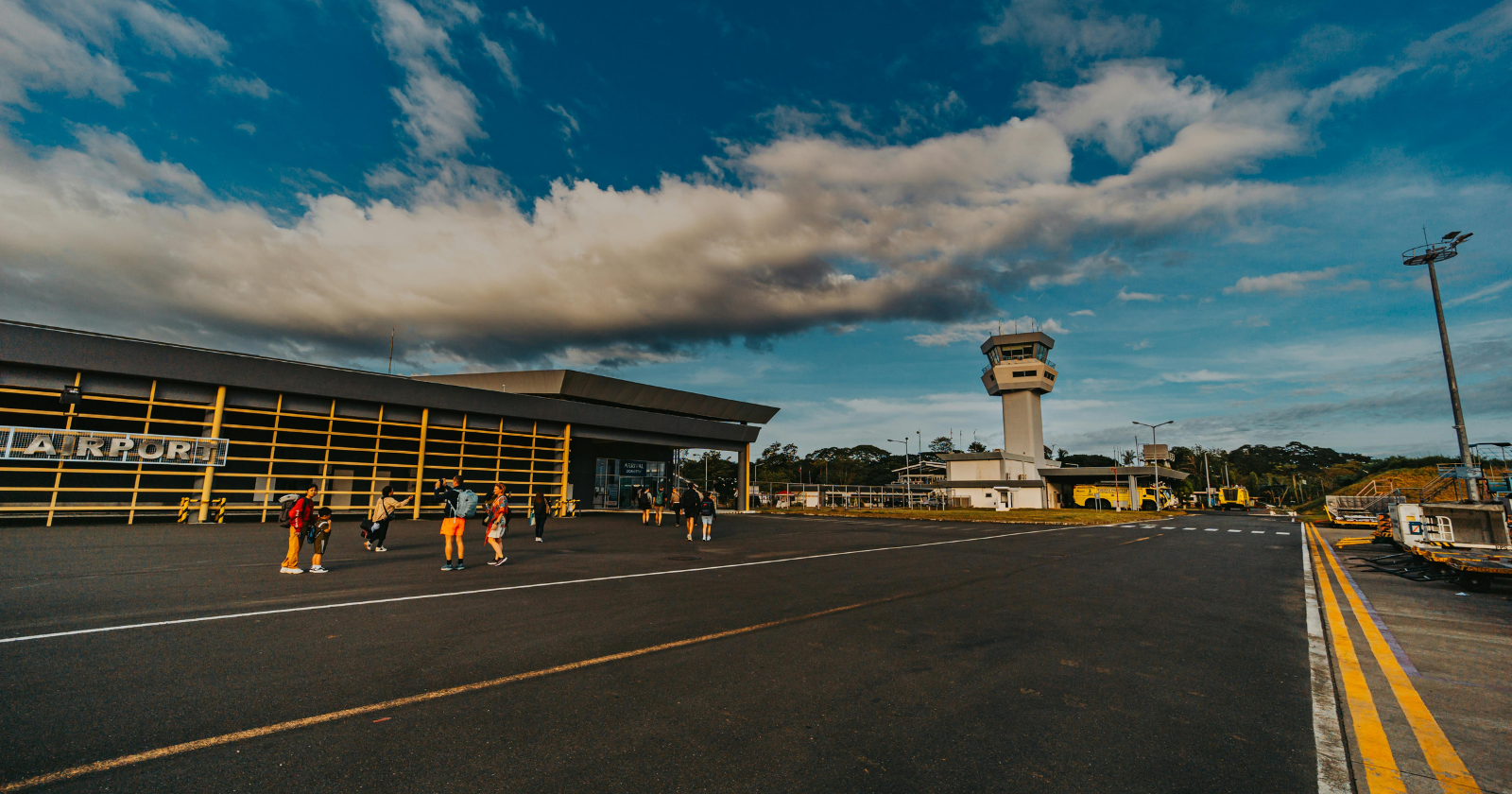
Brisbane West Wellcamp Airport has made significant strides in sustainable construction by utilizing a geopolymer binder for its heavy-duty pavement. This innovative approach not only supports cargo flights to Hong Kong but also sets a precedent for eco-friendly practices in the aviation industry.
Brisbane West Wellcamp Airport Pioneers Sustainable Concrete Use in Aviation
In a groundbreaking move towards sustainability in the aviation sector, Brisbane West Wellcamp Airport in Australia has successfully implemented the use of a slag-and-fly-ash geopolymer binder in its construction, significantly reducing its carbon footprint. This innovative approach, which replaces traditional Portland cement, marks a significant milestone in eco-friendly construction practices within the aviation industry.
Innovative Construction Techniques
In 2014, crews at Brisbane West Wellcamp Airport utilized approximately 40,000 cubic meters of concrete made with a geopolymer binder for its heavy-duty pavement. This 435-millimeter-thick pavement is crucial for the airport's turning node, apron, and taxiway, which are designed to accommodate scheduled cargo flights, including those bound for Hong Kong.
Environmental Impact
The use of geopolymer concrete is a significant advancement in reducing the environmental impact associated with traditional cement production. Ordinary Portland cement is known for its high carbon emissions during manufacturing, contributing to climate change. In contrast, geopolymer binders, which incorporate industrial by-products like slag and fly ash, can reduce emissions by up to 80%. This shift not only aids in mitigating climate change but also promotes the recycling of waste materials.
Supporting Global Trade
Brisbane West Wellcamp Airport's infrastructure is pivotal in supporting global trade, particularly with Asia. The airport has become a vital hub for cargo flights, facilitating the transport of goods to major markets, including Hong Kong. The decision to invest in sustainable construction methods aligns with the growing demand for eco-friendly practices in logistics and transportation.
Setting a Precedent for Future Projects
As the aviation industry faces increasing pressure to adopt sustainable practices, Brisbane West Wellcamp Airport's initiative serves as a model for future airport constructions worldwide. The successful application of geopolymer concrete not only enhances the durability and performance of airport pavements but also underscores the importance of innovation in addressing environmental challenges.
Industry Response
Industry experts and environmental advocates have praised the airport's commitment to sustainability. According to Dr. Jane Smith, an environmental engineer specializing in construction materials, "The use of geopolymer concrete at Brisbane West Wellcamp Airport is a significant step forward in the construction industry. It demonstrates that we can build infrastructure that meets the demands of modern aviation while also being mindful of our environmental responsibilities."
Future of Sustainable Aviation
As global awareness of climate change continues to rise, the aviation industry is increasingly exploring sustainable alternatives to traditional construction methods. Brisbane West Wellcamp Airport's success story highlights the potential for wider adoption of geopolymer technology across various sectors, including airports, roads, and other infrastructure projects.
Conclusion
Brisbane West Wellcamp Airport's innovative use of geopolymer binder in its heavy-duty pavement construction not only enhances its operational capabilities but also sets a new standard in sustainable construction practices. As the world looks for solutions to combat climate change, this initiative serves as a beacon of hope for the future of sustainable aviation and infrastructure development.