Blackstone's Steve Schwarzman Launches Elite Program for Young Leaders Focused on China
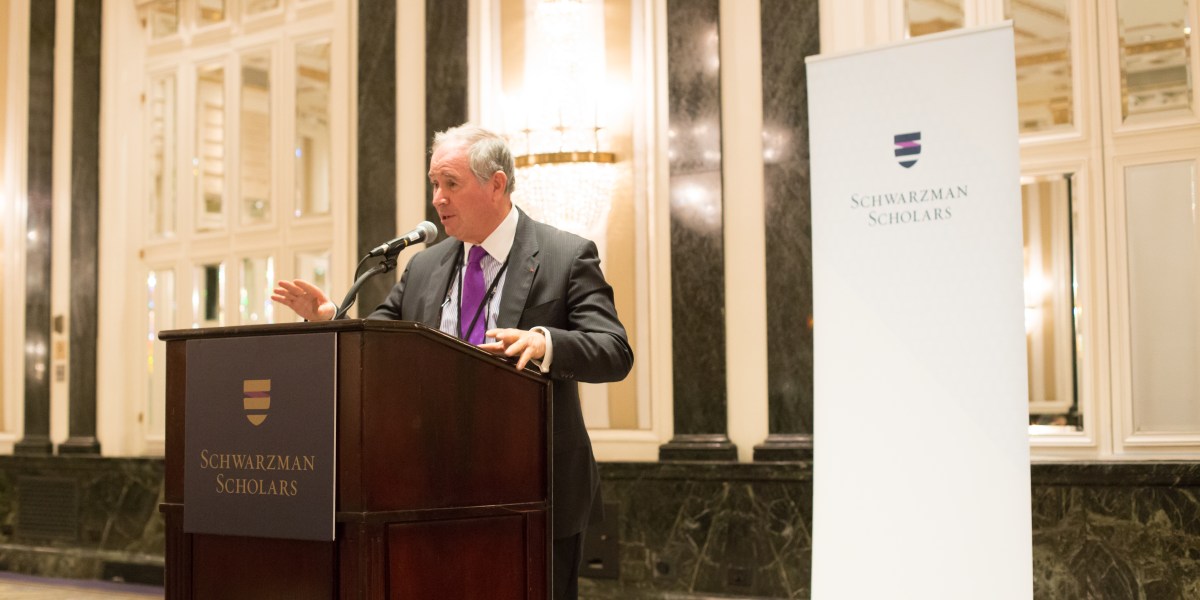
Steve Schwarzman, CEO of Blackstone, has initiated a highly selective program aimed at educating young leaders about China. With an acceptance rate lower than Harvard's, the program seeks to foster a deeper understanding of the country's complexities and global impact.
Introduction to the Program
In an era marked by increasing global interdependence, understanding the intricacies of international relations has never been more critical. Steve Schwarzman, the co-founder and CEO of Blackstone, has taken a significant step in this direction by launching an elite educational program designed to teach young leaders about China. This initiative, which is harder to get into than Harvard, aims to cultivate a new generation of leaders equipped with the knowledge and skills necessary to navigate the complexities of U.S.-China relations.
The Need for Understanding China
As the world's second-largest economy and a key player in global affairs, China’s influence extends far beyond its borders. From trade policies to geopolitical strategies, the implications of China's actions are felt worldwide. Schwarzman's program addresses the urgent need for young leaders to gain a nuanced understanding of China’s political landscape, economic strategies, and cultural dynamics. By immersing participants in the realities of China, the program seeks to bridge the knowledge gap that often exists in international discourse.
Program Structure and Curriculum
The program is structured to provide a comprehensive educational experience, combining classroom learning with real-world exposure. Participants will engage with leading experts in various fields, including politics, economics, and cultural studies. The curriculum includes lectures, case studies, and interactive discussions that encourage critical thinking and debate. Additionally, participants will have the opportunity to visit China, allowing them to experience the country’s culture and business environment firsthand.
Selective Admission Process
With an acceptance rate lower than that of Harvard, the program is highly competitive. Applicants are evaluated based on their academic achievements, leadership potential, and demonstrated interest in China. This rigorous selection process ensures that only the most promising candidates are chosen, fostering a cohort of individuals who are not only academically gifted but also passionate about making a difference in the world.
Impact on Future Leaders
The implications of this program extend beyond individual participants. By equipping young leaders with a deep understanding of China, the initiative aims to foster a more informed and engaged leadership class capable of navigating the complexities of international relations. As these leaders enter various sectors—government, business, and academia—they will carry with them the insights gained from this unique educational experience, potentially influencing policy decisions and business strategies in the future.
Schwarzman’s Vision
Schwarzman’s commitment to education and leadership development is not new. He has previously established the Schwarzman Scholars program, which offers a similar opportunity for students to study in Beijing. His vision is clear: to create a network of globally-minded leaders who can contribute to a more stable and prosperous world. By focusing on China, he recognizes the importance of understanding one of the most significant players on the global stage.
Conclusion
As the world grapples with the challenges and opportunities presented by China, programs like Schwarzman's are essential in preparing the next generation of leaders. By fostering a deeper understanding of this complex nation, the program not only benefits the participants but also contributes to a more informed global community. In a time of rapid change and uncertainty, initiatives that promote education and understanding are vital for building a more interconnected and harmonious world.