Billboard Truck Highlights Birth Tourism Controversy Outside Chinese Embassy
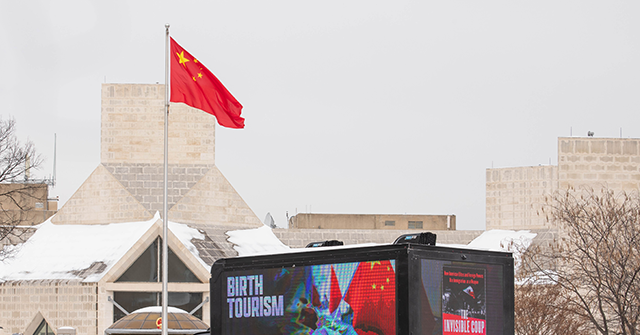
A provocative billboard truck has made headlines as it confronts the issue of birth tourism outside the Chinese Embassy in Washington, D.C. The initiative, dubbed 'The Invisible Coup,' aims to raise awareness about the implications of citizenship by birth for children born to foreign nationals in the United States.
Introduction
A billboard truck has recently made waves by delivering a powerful message about birth tourism directly to the doorstep of the Chinese Embassy in Washington, D.C. Known as 'The Invisible Coup,' this initiative seeks to shed light on the controversial practice of citizenship by birth, particularly as it pertains to Chinese nationals who travel to the United States to give birth.
The Issue of Birth Tourism
Birth tourism refers to the practice where expectant mothers travel to another country to give birth, thereby securing citizenship for their child in that nation. In the United States, the 14th Amendment guarantees citizenship to anyone born on U.S. soil, a provision that has led to an influx of foreign nationals, particularly from China, seeking to take advantage of this law.
Concerns Raised
Critics argue that birth tourism poses significant challenges, including potential exploitation of the U.S. immigration system and the burden it places on public resources. The billboard truck's message aims to raise awareness about these concerns, highlighting the implications for American society and the integrity of its immigration policies.
Details of the Billboard Truck Campaign
The truck, adorned with eye-catching graphics and bold text, made its way through the streets of Washington, D.C., before arriving at the Chinese Embassy. The campaign is organized by a coalition of activists and concerned citizens who believe that the practice of birth tourism undermines the principles of citizenship and the rule of law.
Reactions from the Chinese Community
The response from the Chinese community in the U.S. has been mixed. Some individuals express concern that such initiatives may perpetuate negative stereotypes about Chinese nationals and their intentions. Others, however, acknowledge the need for a broader discussion about the implications of birth tourism and the responsibilities that come with citizenship.
Government Response
In recent years, U.S. lawmakers have proposed various measures aimed at curbing birth tourism. Some have called for stricter regulations on visas for pregnant women, while others advocate for a constitutional amendment to clarify citizenship laws. The billboard truck campaign has reignited these debates, pushing the issue of birth tourism back into the national spotlight.
International Perspectives
Birth tourism is not unique to the United States; several countries grapple with similar issues. In Canada, for instance, the practice has also drawn scrutiny, leading to discussions about potential reforms to the country's citizenship laws. The global nature of this issue underscores the complexities surrounding immigration, citizenship, and national identity.
Conclusion
The 'Invisible Coup' billboard truck campaign serves as a reminder of the ongoing debates surrounding birth tourism and its implications for both the United States and the international community. As discussions continue, it remains to be seen how lawmakers and society will address the challenges posed by this controversial practice.