Beijing and Hong Kong Implement Strategic Measures to Strengthen Yuan and Financial Markets
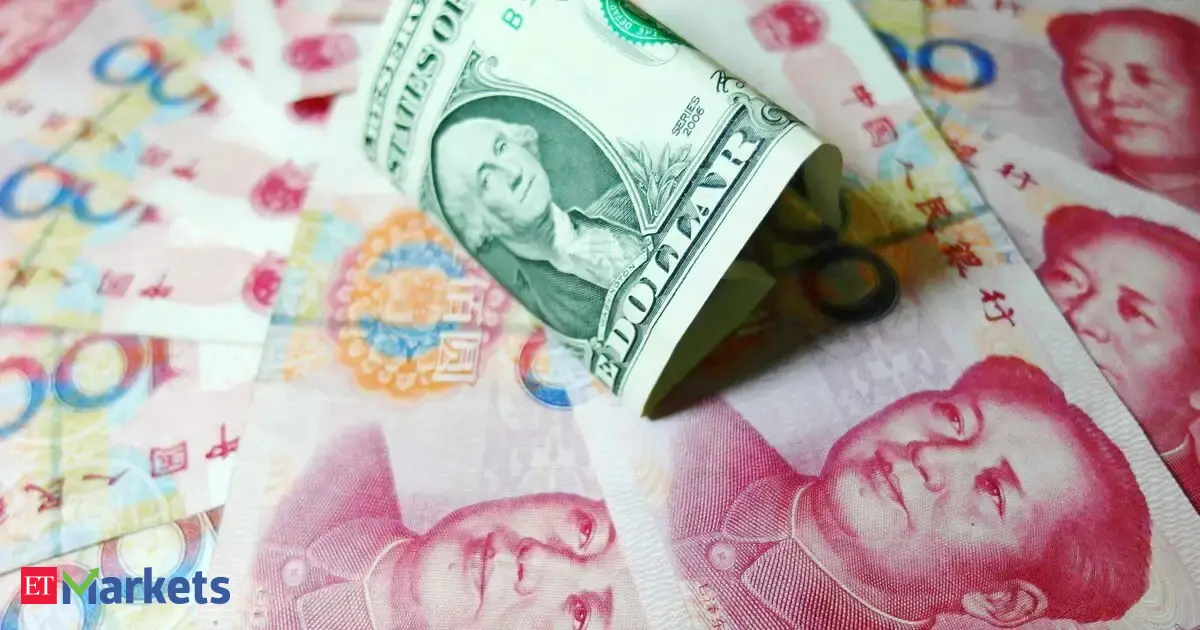
In a bid to bolster the Chinese economy, Beijing and Hong Kong have announced new initiatives aimed at enhancing the stability of the Yuan, as well as revitalizing the bond and gold markets. These measures come amid ongoing economic challenges and are expected to attract more foreign investment.
Introduction
In a significant move to enhance economic stability and bolster investor confidence, both Beijing and Hong Kong have unveiled a series of strategic measures aimed at strengthening the Chinese Yuan and revitalizing the bond and gold markets. These initiatives are particularly crucial as China navigates a complex economic landscape characterized by sluggish growth and external pressures.
Context of the Measures
The recent announcements come at a time when the Chinese economy is facing multiple challenges, including a slowdown in growth, rising debt levels, and a fluctuating currency. The Yuan has experienced considerable volatility, prompting concerns among investors and policymakers alike. In response, the Chinese government is taking proactive steps to stabilize the currency and restore confidence in its financial markets.
Details of the Initiatives
Among the key measures announced are enhanced liquidity provisions for the bond markets, aimed at encouraging investment and easing access to capital. The Chinese central bank has indicated that it will implement policies to ensure that liquidity remains abundant, thereby supporting both government and corporate bond issuances.
Additionally, the Hong Kong Monetary Authority (HKMA) is set to introduce measures to facilitate trading in gold, recognizing the precious metal's role as a safe haven asset. This includes lowering transaction costs and enhancing the infrastructure for gold trading, which is expected to attract both domestic and international investors.
Impact on the Yuan
These measures are designed not only to stabilize the Yuan but also to enhance its global standing. By improving the liquidity of the Yuan-denominated assets, the Chinese government aims to promote the currency as a viable alternative to the US dollar in international trade. Analysts believe that these initiatives could lead to increased foreign direct investment, as investors seek to capitalize on the potentially higher returns offered by Yuan-denominated assets.
Market Reactions
Market analysts have responded positively to the announcements, noting that the proactive approach taken by both Beijing and Hong Kong reflects a commitment to economic stability. The bond markets have already shown signs of improvement, with yields on government bonds declining as investor sentiment turns more optimistic. Similarly, the gold market has seen increased activity, with trading volumes rising as investors look to hedge against potential economic uncertainties.
Long-Term Implications
While the immediate effects of these measures are encouraging, experts caution that sustained economic recovery will require ongoing efforts and reforms. The Chinese government will need to address underlying issues such as high debt levels and the need for structural reforms to ensure long-term stability. Furthermore, the international community will be watching closely to see how these initiatives impact China's economic trajectory and its relationships with other global economies.
Conclusion
In conclusion, the recent measures announced by Beijing and Hong Kong represent a significant step towards stabilizing the Chinese economy and enhancing the attractiveness of the Yuan. As the world continues to grapple with economic uncertainties, these initiatives could play a crucial role in positioning China as a resilient player in the global financial landscape. Investors and analysts alike will be keenly observing the outcomes of these strategies in the coming months.