Australia Confirms Missing F-35 Fighter Parts After Shipment Diverted to Hong Kong
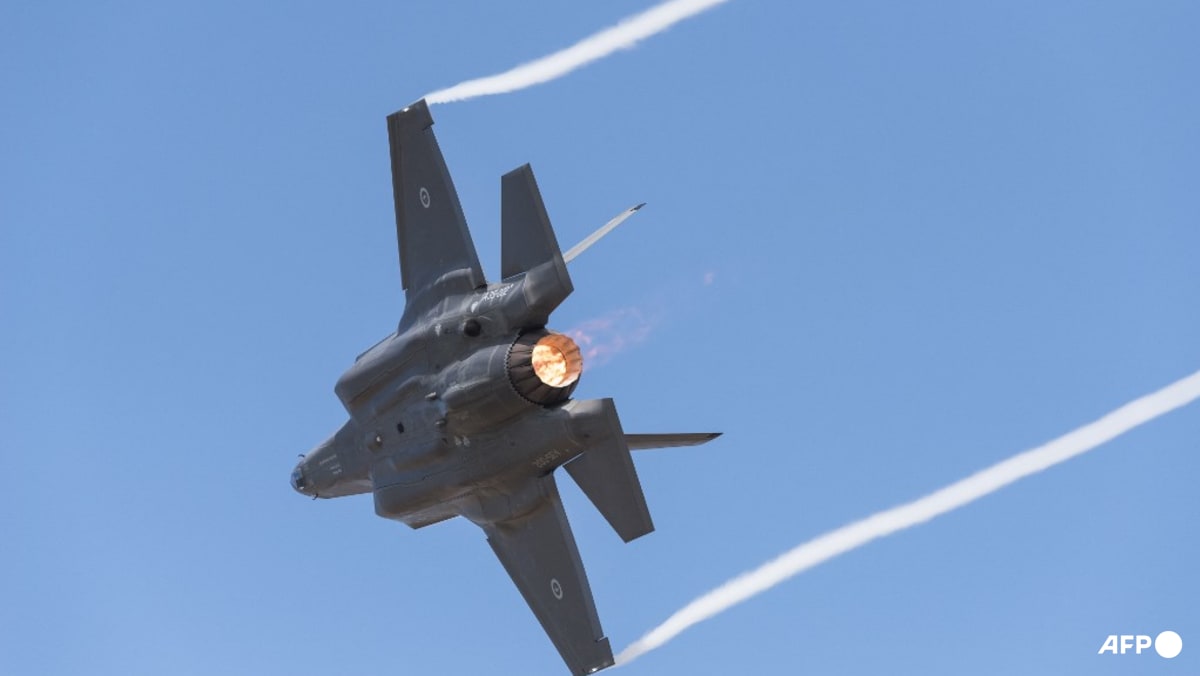
Australia has confirmed that critical parts for its F-35 fighter jets went missing after a shipment was unexpectedly diverted to Hong Kong. The incident raises concerns about security and the integrity of defense supply chains amid growing geopolitical tensions.
Australia's Defense Supply Chain Faces Scrutiny
In a troubling development for national security, Australia has confirmed that essential components for its fleet of F-35 fighter jets have gone missing following an unexpected diversion of a shipment to Hong Kong. The incident has sparked concerns about the integrity of defense supply chains and the potential implications for military readiness in the face of rising geopolitical tensions.
Details of the Shipment Diversion
The shipment, which was intended for delivery to an Australian defense contractor, was reportedly diverted during transit, leading to the loss of critical parts necessary for the operation and maintenance of the advanced fighter aircraft. The Australian Department of Defence has initiated an investigation into the circumstances surrounding the diversion, which has raised alarms about the security protocols in place for sensitive military equipment.
Geopolitical Context
The diversion of the shipment comes at a time of heightened tensions in the Asia-Pacific region, particularly concerning China's growing military assertiveness and its influence over Hong Kong. Analysts have noted that the incident underscores the vulnerabilities in global supply chains, especially those involving high-stakes defense technology. The F-35 program, which is a cornerstone of Australia's military modernization efforts, relies heavily on a complex network of suppliers and logistics that span multiple countries.
Impact on Australia’s Military Capabilities
The loss of F-35 parts could have significant implications for Australia’s military capabilities, particularly as the nation seeks to enhance its defense posture in response to evolving threats. The F-35, known for its stealth capabilities and advanced avionics, is a critical asset for the Royal Australian Air Force (RAAF). Any disruption in its operational readiness could hinder Australia’s ability to fulfill its defense commitments, both domestically and as part of international alliances.
Official Responses
In response to the incident, Australian Defense Minister Richard Marles stated, “We take the security of our defense supply chains very seriously. We are working closely with our partners to ensure that this matter is resolved swiftly and that measures are put in place to prevent similar occurrences in the future.” The Minister also emphasized the importance of maintaining robust security protocols for all defense-related shipments.
Concerns Over Supply Chain Security
The incident has reignited discussions about the security of defense supply chains, particularly in light of the increasing complexity of global logistics networks. Experts have warned that as countries become more reliant on international suppliers for critical military technology, the risks associated with potential disruptions or diversions grow. This situation has prompted calls for a reevaluation of procurement strategies and supply chain management within the defense sector.
Future Implications
As the investigation unfolds, it remains to be seen what measures Australia will implement to bolster the security of its defense supply chains. The incident serves as a reminder of the interconnected nature of global defense logistics and the need for vigilance in safeguarding sensitive military technologies. With geopolitical tensions on the rise, ensuring the integrity of defense supply chains will be crucial for Australia and its allies.
Conclusion
The missing F-35 parts represent more than just a logistical challenge; they highlight the vulnerabilities inherent in modern defense systems and the importance of maintaining a secure and reliable supply chain. As Australia navigates this incident, it will likely prompt a broader examination of how nations can better protect their defense assets in an increasingly complex global landscape.