Asian Stocks Mixed as Oil Prices Rise Amid US-Iran Diplomatic Developments
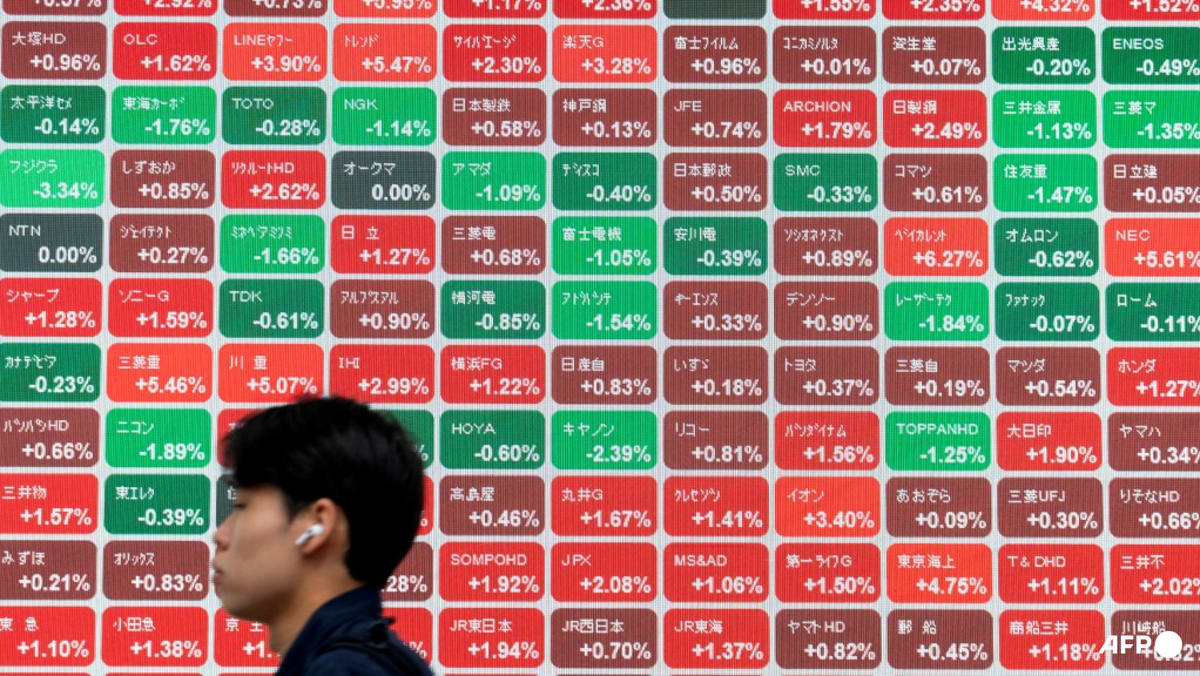
Asian stock markets displayed mixed signals on Tuesday as oil prices experienced a notable increase. This fluctuation comes in the wake of the US and Iran's agreement to halt recent hostilities, raising hopes for stability in the region.
Market Overview
Asian stock markets opened on a mixed note on Tuesday, reflecting investor sentiment amid geopolitical developments. While some indices saw gains, others struggled to maintain momentum as oil prices surged in response to recent diplomatic efforts between the United States and Iran.
Oil Prices on the Rise
Brent crude oil futures jumped by 2% to reach $89.50 per barrel, marking a significant increase as traders reacted to the announcement that the US and Iran had agreed to a ceasefire following a series of escalating attacks. This rise in oil prices is particularly noteworthy given the ongoing concerns over supply disruptions in the Middle East, a region that has historically been a focal point for oil production and distribution.
US-Iran Relations
The recent agreement between the US and Iran to end hostilities is seen as a potential turning point in a long-standing conflict that has had far-reaching implications for global markets. Analysts suggest that this development could lead to a more stable geopolitical environment, which is crucial for economic recovery in the region. The agreement comes after weeks of tensions that had threatened to escalate into broader conflict.
Market Reactions
In Japan, the Nikkei 225 index rose by 0.5%, buoyed by the positive sentiment surrounding the oil market. Conversely, Hong Kong's Hang Seng index fell by 0.3%, reflecting concerns over local economic conditions and ongoing regulatory scrutiny of major corporations. Meanwhile, South Korea's Kospi index remained relatively stable, closing with minor fluctuations.
Investor Sentiment
Investors are closely monitoring the situation, as the potential for improved US-Iran relations could lead to a decrease in oil prices in the long run if supply chains stabilize. However, the immediate spike in oil prices has raised concerns about inflationary pressures, which could impact consumer spending and economic growth.
Global Implications
The developments in the Middle East are not only affecting Asian markets but also have implications for global economies. European and American markets are expected to react to these changes, particularly in the energy sector. Analysts predict that if the ceasefire holds, it could pave the way for renewed negotiations regarding Iran's nuclear program, further influencing oil prices and market stability.
Conclusion
As Asian markets navigate the complexities of geopolitical tensions and their impact on oil prices, investors remain cautious yet hopeful. The outcome of the US-Iran agreement will be pivotal in shaping market dynamics in the coming weeks. With oil prices on the rise and mixed signals from stock indices, the focus will remain on how these developments unfold and their broader implications for the global economy.