Asian Markets Surge Amid Peace Deal Hopes and Crude Oil Decline
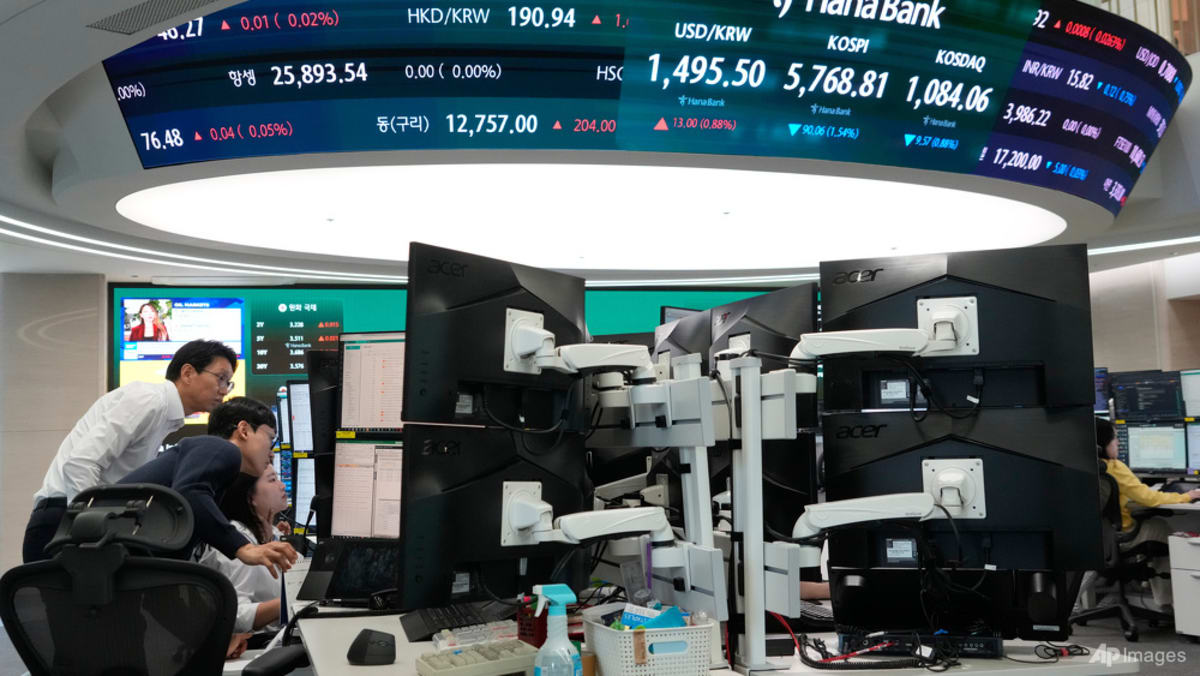
Asian stock markets experienced a significant rally as investors reacted positively to ongoing discussions for a potential peace deal. Meanwhile, crude oil prices have dropped, reflecting shifting dynamics in global markets.
Asian Markets React to Peace Deal Prospects
In a notable turn of events, Asian stock markets rallied on Tuesday, buoyed by lingering hopes for a peace deal in the ongoing geopolitical tensions. The optimism surrounding a potential resolution has injected a wave of confidence among investors, leading to a broad-based surge across various sectors.
Market Performance Highlights
Japan's Nikkei 225 index led the charge, climbing by over 2% as investors cheered the prospects of stability in the region. Similarly, Hong Kong's Hang Seng Index saw a robust increase, rising by 1.8%, while South Korea's KOSPI also posted gains of around 1.5%. The positive momentum was further supported by gains in technology and consumer goods sectors, which have been pivotal in driving market performance across Asia.
Crude Oil Prices Decline
In tandem with the stock market rally, crude oil prices experienced a notable decline, with Brent crude falling below $90 a barrel. This drop is attributed to a combination of factors, including easing supply concerns and a potential reduction in demand amid fears of a global economic slowdown. Analysts suggest that the decline in oil prices could provide relief to consumers and businesses alike, potentially stimulating economic activity in the region.
Investor Sentiment and Economic Outlook
The positive sentiment in Asian markets reflects a broader trend of cautious optimism among investors. Many are closely monitoring the developments surrounding the peace negotiations, which could have far-reaching implications for trade and economic stability in the region. As discussions progress, market analysts remain hopeful that a resolution could pave the way for increased investment and growth opportunities.
Global Context and Future Implications
Globally, the rally in Asian markets comes as investors digest mixed signals from other major economies. In the United States, economic indicators have shown signs of resilience, although concerns about inflation and interest rates persist. In Europe, markets have been more volatile, grappling with the ongoing energy crisis and geopolitical tensions stemming from the Russia-Ukraine conflict.
Conclusion
As Asian markets continue to respond positively to the potential for a peace deal and the decline in crude oil prices, investors remain vigilant. The interplay between geopolitical developments and economic indicators will be crucial in shaping the future trajectory of markets. With optimism in the air, stakeholders are hopeful that a resolution could usher in a new era of stability and growth for the region.