Asian Markets Struggle to Mirror Wall Street Gains as Yen Remains at 40-Year Low
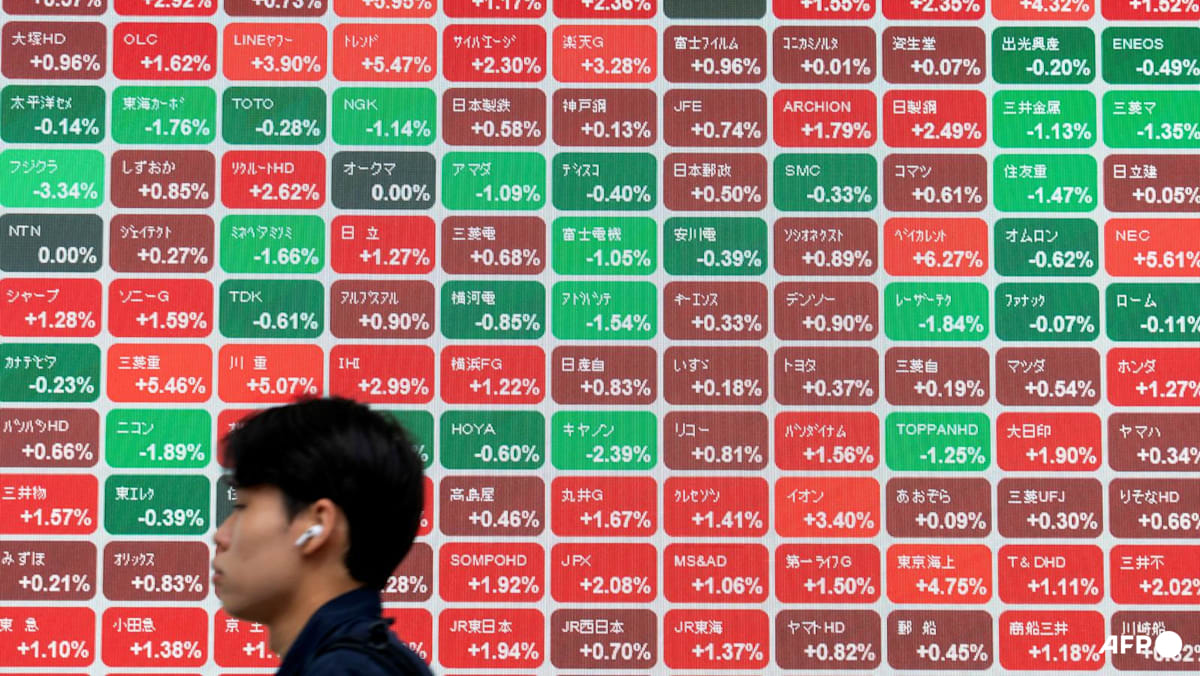
Asian stock markets faced challenges in tracking the gains made by Wall Street, with investors concerned about economic indicators. The Japanese yen continues to hover at a 40-year low, raising questions about the implications for the region's economy.
Asian Markets Struggle to Keep Pace
Asian stock markets opened lower on Monday, unable to capitalize on the gains seen on Wall Street last week. Investors in the region are grappling with a mix of economic uncertainties and geopolitical tensions that have dampened market sentiment. The Nikkei 225 index in Japan fell by 1.2%, while Hong Kong's Hang Seng Index dropped by 0.8%. Meanwhile, South Korea's KOSPI index saw a slight decline of 0.5%.
The Yen's Dismal Performance
The Japanese yen continues to face significant pressure, trading at a 40-year low against the US dollar. As of Monday, the yen was valued at approximately 150.25 yen per dollar, a level not seen since the early 1980s. This depreciation is attributed to the Bank of Japan's prolonged low-interest rate policy, which contrasts sharply with the tightening measures adopted by the US Federal Reserve.
Impact on the Japanese Economy
The weakening yen has sparked concerns among economists regarding its impact on Japan's economy. While a weaker currency can benefit exporters by making their goods cheaper for overseas buyers, it also raises the cost of imports, particularly energy and raw materials. Analysts warn that the rising costs could lead to inflationary pressures, further complicating the economic landscape.
Global Economic Indicators
Investors are closely monitoring global economic indicators, particularly those related to inflation and interest rates. The recent data from the United States showed a slight easing in inflation, which has raised hopes that the Federal Reserve may slow down its rate hikes. However, uncertainty remains as the Fed has indicated its commitment to curbing inflation, which could lead to further volatility in global markets.
Geopolitical Tensions
In addition to economic factors, geopolitical tensions are also weighing heavily on investor sentiment. The ongoing conflict in Ukraine, coupled with rising tensions in the Taiwan Strait, has created an atmosphere of caution among traders. The potential for further escalation in these regions could lead to increased market volatility and uncertainty.
Market Outlook
Looking ahead, market analysts suggest that investors should brace for a bumpy ride in the coming weeks. The combination of economic uncertainties, geopolitical tensions, and fluctuating currencies is likely to keep markets on edge. Some analysts recommend a cautious approach, advising investors to diversify their portfolios and consider defensive stocks that may weather the storm better than others.
Conclusion
As Asian markets struggle to keep pace with Wall Street's gains, the continued weakness of the yen serves as a reminder of the challenges facing the region's economy. With economic indicators and geopolitical tensions in play, investors will need to stay vigilant and adaptable to navigate the complexities of the current market landscape.