Asian Markets Show Mixed Results Amid Quiet Trading
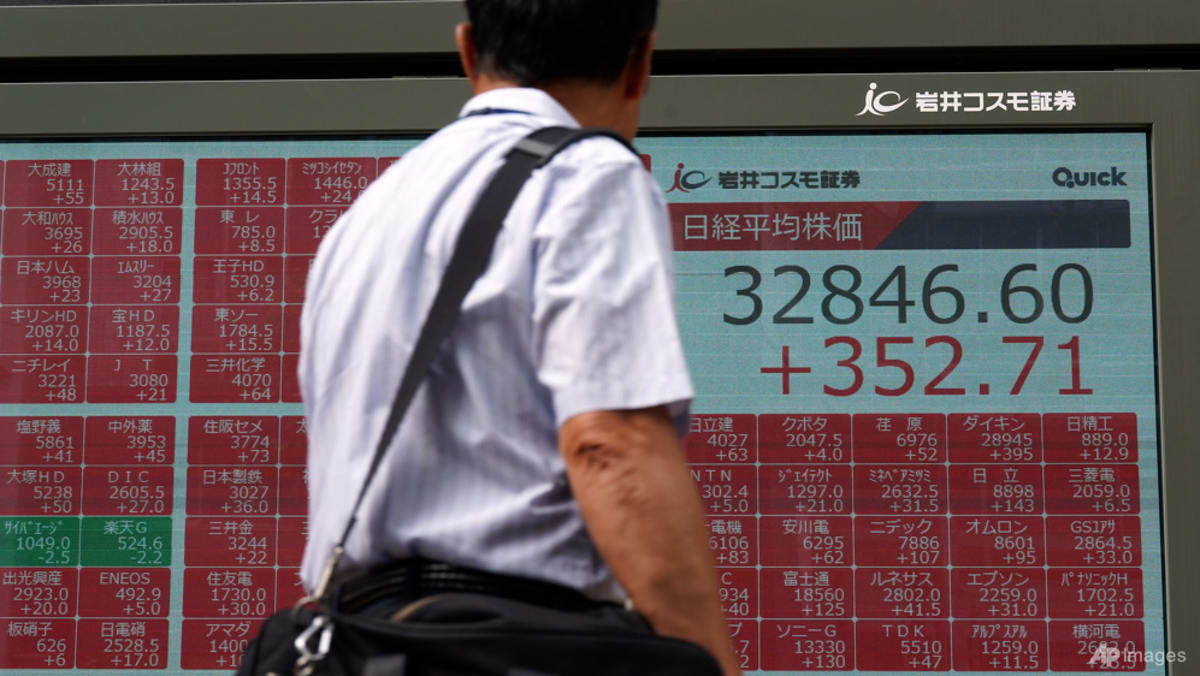
Asian stock markets exhibited a mixed performance today, with some indices rising while others faced declines. Precious metals also saw a downturn as trading activity remained subdued.
Asian Markets Show Mixed Results Amid Quiet Trading
In a day characterized by low trading volumes, Asian stock markets displayed a mixed performance, with some indices gaining ground while others struggled to maintain momentum. The trading environment remained quiet, reflecting a lack of significant catalysts to drive market sentiment.
In Japan, the Nikkei 225 index managed to close higher, buoyed by gains in technology and automotive stocks. The index rose by 0.5%, reflecting investor optimism in the wake of positive corporate earnings reports. Analysts noted that the Japanese economy continues to show signs of recovery, with consumer spending and exports contributing to the overall growth.
Meanwhile, in Hong Kong, the Hang Seng Index experienced a slight decline, falling by 0.3%. The drop was attributed to profit-taking among investors following a recent rally. Concerns over regulatory scrutiny of technology companies also weighed on market sentiment, as investors remained cautious about potential government interventions.
In mainland China, the Shanghai Composite Index saw a modest increase of 0.2%. The rise was supported by gains in the financial sector, as banks and insurance companies reported better-than-expected quarterly results. However, the market remained sensitive to ongoing geopolitical tensions and uncertainties surrounding the global economic outlook.
Across the region, Australian stocks also showed resilience, with the S&P/ASX 200 index climbing by 0.4%. Resource stocks, particularly in the mining sector, contributed to the upward movement as commodity prices held steady. Investors appeared optimistic about the demand for minerals, especially in light of the ongoing recovery in global manufacturing.
Despite the mixed performance in equities, precious metals faced a downturn. Gold prices slipped as the market reacted to a stronger U.S. dollar, which typically inversely affects the value of gold. Analysts pointed out that the recent uptick in U.S. Treasury yields also contributed to the decline in gold prices, as investors shifted their focus towards fixed-income assets.
Silver and platinum also experienced losses, with silver prices dropping by 1.2% and platinum by 0.8%. The decline in precious metals was notable given the ongoing inflationary concerns that have previously supported their prices. Market experts suggest that unless there are significant developments in inflation data or geopolitical tensions, precious metals may continue to face pressure in the near term.
Looking ahead, investors are expected to remain cautious as they await key economic indicators, including U.S. employment data and inflation reports, which could influence market direction. Central banks' monetary policy decisions will also play a crucial role in shaping market sentiment, particularly as inflationary pressures persist in various economies.
As trading continues in the Asian markets, analysts recommend that investors keep a close eye on sector performance and global economic trends. The mixed results highlight the importance of a diversified investment approach, particularly in uncertain times.
In conclusion, while Asian stock markets showed resilience in the face of mixed results, the decline in precious metals underscores the complexities of the current economic landscape. Investors are advised to remain vigilant and adaptable as they navigate these challenging market conditions.