Asian Markets Plunge Amid AI Concerns and Middle East Tensions
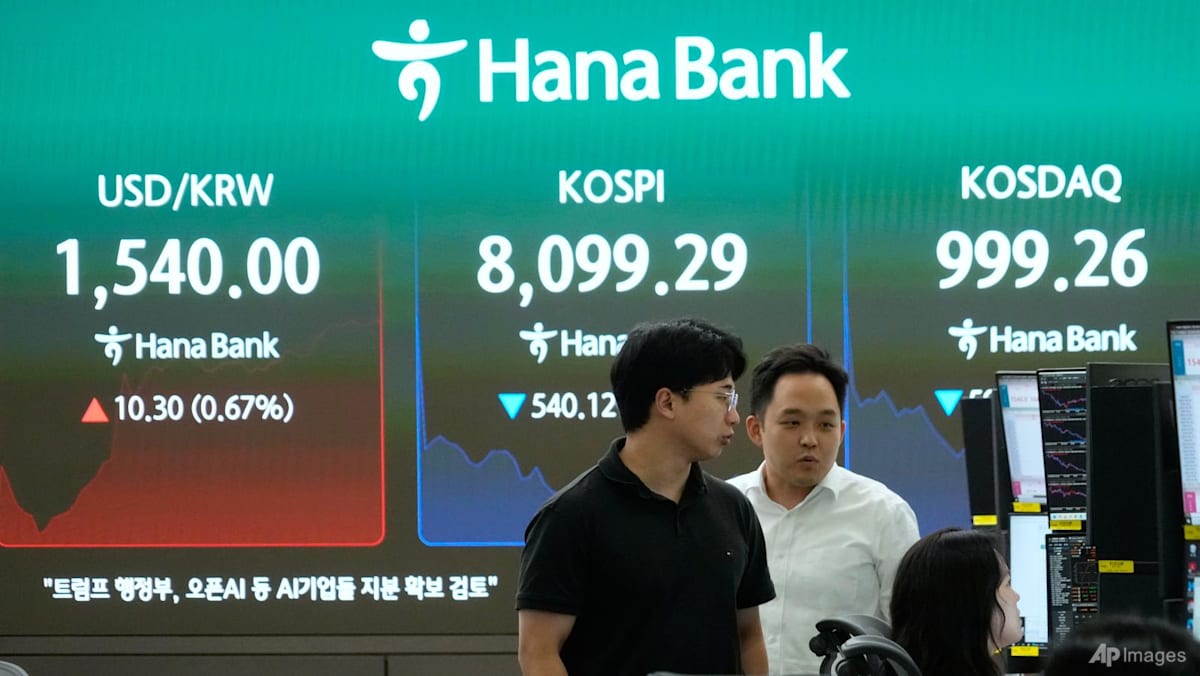
Asian stock markets faced significant declines as investors reacted to ongoing concerns over artificial intelligence and escalating tensions in the Middle East. The combination of these factors has led to increased volatility in the region's financial landscape.
Asian Markets React to Global Pressures
Asian stock markets experienced a sharp decline on Wednesday, reflecting growing investor anxiety over the implications of artificial intelligence (AI) advancements and escalating tensions in the Middle East. As geopolitical uncertainties rise, particularly surrounding conflicts in the region, market participants are reassessing their investment strategies, leading to a notable downturn across various sectors.
AI Developments Impacting Investor Sentiment
The rapid development of AI technologies has been a double-edged sword for the markets. While AI has the potential to drive significant economic growth, concerns about job displacement and regulatory challenges are causing unease among investors. Companies heavily invested in AI are facing scrutiny, and this has led to a sell-off in tech stocks across the region.
Middle East Tensions Escalate
Simultaneously, the ongoing conflict in the Middle East is adding another layer of complexity to the market dynamics. Recent escalations have raised fears of wider regional instability, prompting investors to seek safer assets. The uncertainty surrounding oil prices, which are influenced by geopolitical tensions, is also contributing to the overall market volatility.
Market Performance Across Asia
In Japan, the Nikkei 225 index fell by 2.3%, reflecting the broader trend across Asian markets. Similarly, Hong Kong's Hang Seng Index experienced a decline of 2.1%, while South Korea's KOSPI dropped by 1.8%. These declines indicate a widespread lack of confidence among investors, as they grapple with the implications of both AI advancements and geopolitical instability.
Investor Strategies Amid Uncertainty
As the situation unfolds, investors are re-evaluating their portfolios and considering a shift towards more stable investments. Analysts suggest that defensive stocks, particularly in sectors such as utilities and consumer staples, may offer some protection against the current volatility. Additionally, bonds are becoming increasingly attractive as a safe haven for risk-averse investors.
Global Implications of Regional Developments
The implications of these developments extend beyond Asia, with global markets also reacting to the news. European stocks opened lower, and U.S. futures indicated a bearish trend as investors worldwide remain cautious. The interconnectedness of global markets means that instability in one region can have ripple effects across the globe.
Looking Ahead
Market analysts are closely monitoring the situation, emphasizing the importance of staying informed about both AI developments and geopolitical events. The potential for regulatory changes in the tech sector, combined with the evolving dynamics in the Middle East, will likely continue to shape market sentiment in the coming weeks.
Conclusion
As Asian stock markets grapple with the dual challenges of AI concerns and Middle East tensions, investors are urged to remain vigilant and adaptable. The current landscape is marked by uncertainty, and those who can navigate these challenges may find opportunities amidst the turmoil. The coming days will be crucial in determining the trajectory of the markets, as investors seek to balance risk and reward in an increasingly complex environment.