Asian Equities Plunge as Oil Prices Surge Amid Middle East Crisis
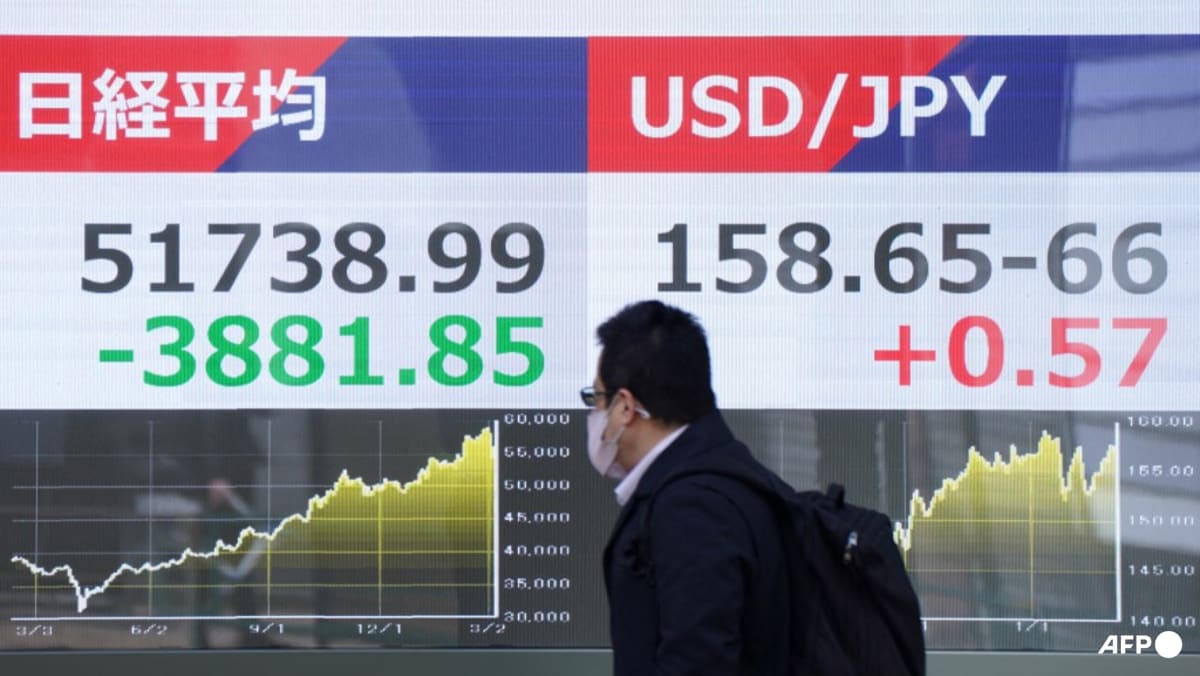
Asian markets experienced significant declines as oil prices skyrocketed by 30% due to escalating tensions in the Middle East. Investors are bracing for potential economic repercussions as the geopolitical landscape becomes increasingly volatile.
Market Reaction to Rising Oil Prices
Asian equities faced a sharp decline on Monday as oil prices surged by 30% following a crisis in the Middle East. The sudden spike in crude oil prices has raised concerns among investors about inflation and economic stability across the region. Major stock indices from Japan to Australia reported significant losses, reflecting the anxiety gripping the markets.
Geopolitical Tensions Fueling Oil Prices
The catalyst for the oil price surge has been attributed to escalating tensions in the Middle East, particularly involving key oil-producing nations. Analysts suggest that ongoing conflicts and political instability are likely to disrupt oil supplies, leading to fears of a supply shock. As a result, crude oil futures jumped to their highest levels in over a decade, prompting immediate reactions from global markets.
Impact on Asian Markets
In Japan, the Nikkei 225 index fell by 2.5%, while Hong Kong's Hang Seng Index dropped by 3.1%. South Korea's Kospi and Australia's ASX 200 also recorded significant losses of 2.8% and 2.4%, respectively. The widespread sell-off reflects a broader trend of investor caution as they adjust their portfolios in response to rising energy costs and potential inflationary pressures.
Investor Sentiment and Future Outlook
Market analysts are closely monitoring the situation, with many predicting that the volatility in oil prices could persist if geopolitical tensions continue to escalate. The International Energy Agency (IEA) has warned that sustained high oil prices could lead to increased production costs for businesses, ultimately affecting consumer prices and economic growth.
Central Banks Under Pressure
The surge in oil prices poses a challenge for central banks across Asia, which are already grappling with rising inflation rates. Economists are speculating that central banks may need to reconsider their monetary policies in light of the new economic landscape. If inflation continues to rise, there may be pressure to increase interest rates, which could further impact economic growth.
Global Economic Implications
The ramifications of the Middle East crisis extend beyond Asia, with global markets also reacting to the news. European and American stock futures indicated a bearish outlook, with investors bracing for a potential ripple effect across the Atlantic. The interconnectedness of global markets means that any significant disruption in oil supply could have far-reaching consequences.
Conclusion
As the situation in the Middle East continues to unfold, investors are advised to remain vigilant and consider the potential impacts on their portfolios. The volatility in oil prices and the corresponding reactions from Asian equities serve as a reminder of the delicate balance between geopolitical events and economic stability. In the coming days, market participants will be keenly watching for developments that could either exacerbate or alleviate the current crisis.