Asian Economies Grapple with Impact of Trump's Tariffs
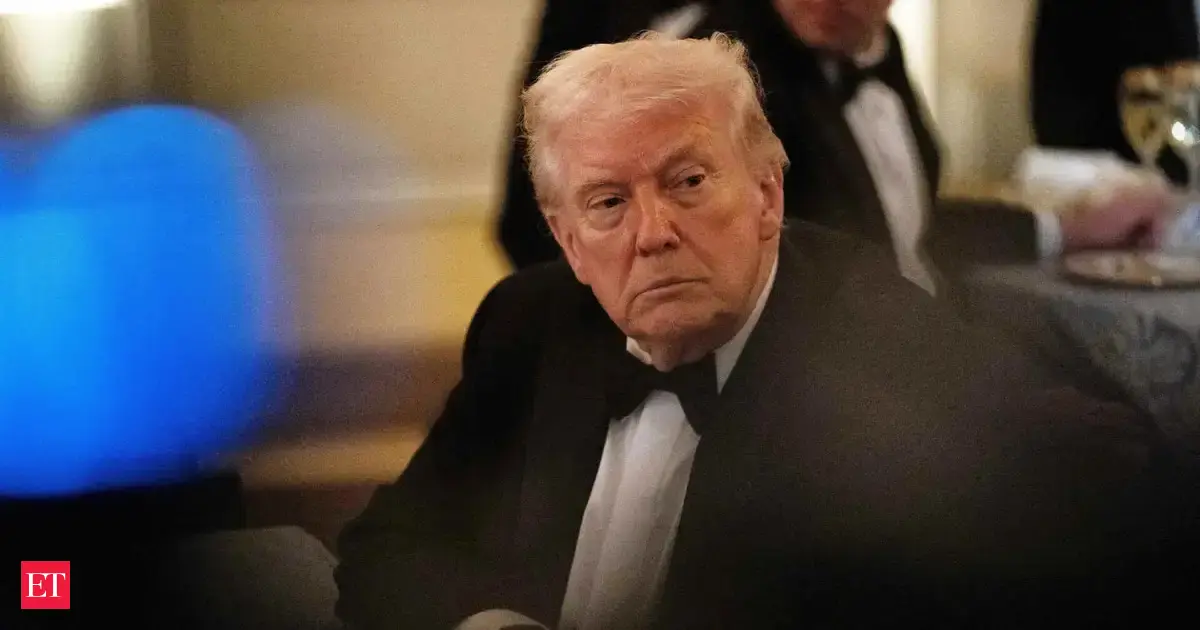
Asian economies are navigating the complexities of the tariffs imposed by the Trump administration, seeking to understand their implications on trade and economic stability. As nations adapt to these changes, the long-term effects on regional markets remain uncertain.
Introduction
The trade landscape in Asia is undergoing significant shifts as countries grapple with the implications of tariffs imposed by the Trump administration. These tariffs, aimed primarily at China, have sparked a ripple effect across the region, prompting nations to reassess their economic strategies and trade relationships.
The Tariff Landscape
Since the onset of the trade war, the U.S. has implemented a series of tariffs on Chinese goods, which has led to retaliatory measures from Beijing. However, the ramifications extend beyond the U.S.-China relationship, affecting various Asian economies that are closely linked to China through trade and supply chains.
Impact on Regional Economies
Countries such as Japan, South Korea, and Vietnam are feeling the pressure as they navigate the new trade environment. For instance, Japan, heavily reliant on exports, is concerned about the potential decline in demand from China, which is its largest trading partner. Similarly, South Korea, with its significant export-oriented economy, faces challenges as tariffs disrupt established supply chains.
Vietnam's Opportunities and Challenges
Interestingly, Vietnam has emerged as a potential beneficiary of the trade war. As companies seek to diversify their supply chains away from China, Vietnam has become an attractive alternative for manufacturing. However, this influx of foreign investment comes with its own set of challenges, including infrastructure strain and labor market pressures.
Strategic Responses
In response to the tariffs, many Asian economies are exploring new trade agreements and partnerships. For example, Japan and the European Union recently signed a free trade agreement that aims to reduce tariffs and promote economic cooperation. Similarly, countries within the Association of Southeast Asian Nations (ASEAN) are working towards greater economic integration to bolster regional trade.
Long-term Implications
The long-term implications of Trump's tariffs on Asian economies remain uncertain. While some countries may benefit in the short term, the overall impact on trade dynamics could lead to a more fragmented global economy. Analysts warn that prolonged trade tensions could stifle economic growth and innovation in the region.
Conclusion
As Asian economies continue to navigate the complexities of the trade war, the focus will be on adaptability and resilience. Understanding the full impact of Trump's tariffs will require ongoing analysis and strategic planning, as countries work to secure their economic futures in an increasingly volatile global landscape.