Asia Shares Mixed as Wall Street Losses Weigh on Investor Sentiment
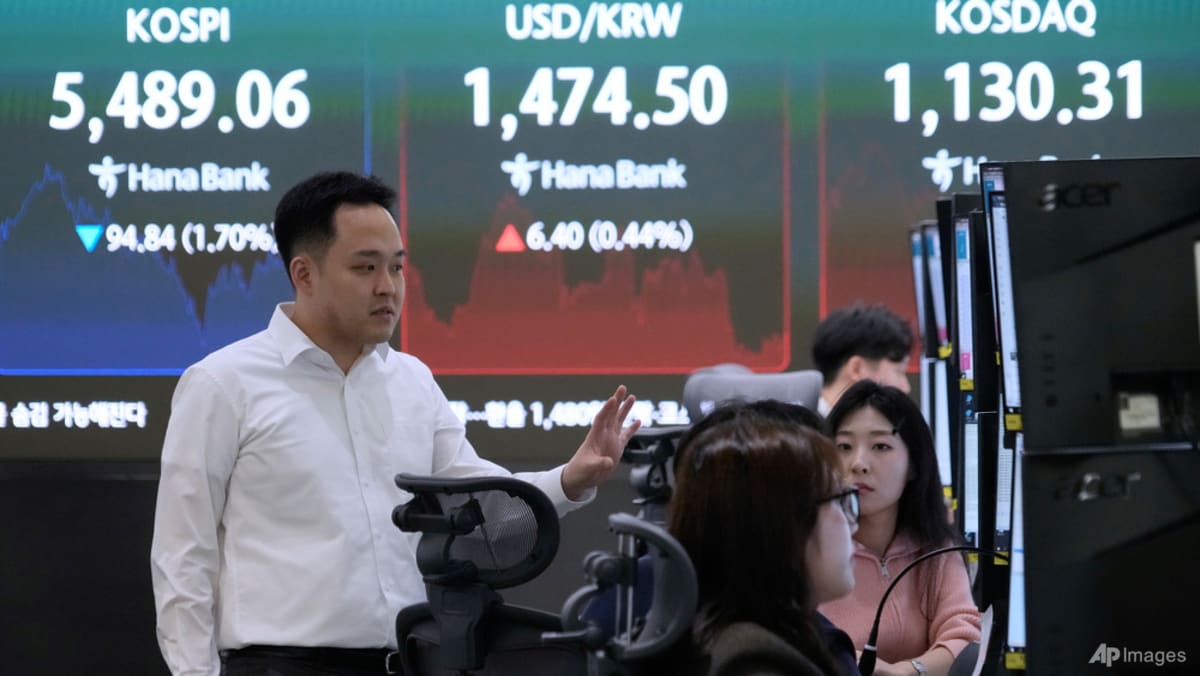
Asian markets experienced a mixed performance following losses on Wall Street, with oil prices also edging lower. Investors remain cautious amid ongoing economic uncertainties and geopolitical tensions.
Market Overview
Asian shares exhibited a mixed performance on Tuesday, reflecting the losses seen on Wall Street in the previous session. Investors are grappling with a combination of economic uncertainties and geopolitical tensions that have created a cautious atmosphere in the markets. The decline in oil prices has added another layer of complexity to the trading environment, as traders assess the implications for inflation and global growth.
Wall Street's Impact
On Monday, Wall Street closed lower, with major indices retreating as concerns over rising interest rates and inflation weighed heavily on investor sentiment. The S&P 500 fell by 1.3%, while the Dow Jones Industrial Average dropped 1.1%. The technology-heavy Nasdaq Composite saw a more pronounced decline, closing down 1.7%. These losses were largely attributed to fears that the Federal Reserve may continue to raise interest rates to combat persistent inflation, which could stifle economic growth.
Asian Markets React
In Asia, the mixed performance was evident across various markets. Japan's Nikkei 225 index was down 0.5%, reflecting the broader concerns stemming from Wall Street's performance. Conversely, Hong Kong's Hang Seng Index managed to gain 0.3%, buoyed by a slight recovery in tech stocks. Meanwhile, South Korea's KOSPI index saw a modest increase of 0.2%, as investors looked for bargains amidst the volatility.
Oil Prices and Economic Outlook
Oil prices have also been a focal point for investors, with Brent crude dipping below $90 per barrel. This decline is attributed to fears of a potential slowdown in global demand, particularly as major economies grapple with inflationary pressures and tightening monetary policies. Analysts suggest that lower oil prices could provide some relief to consumers but may also indicate a cooling economic environment.
Geopolitical Tensions
Geopolitical tensions continue to loom large over the markets, particularly in light of ongoing conflicts and trade disputes. Investors are closely monitoring developments in Eastern Europe and Asia, where military and economic uncertainties could have far-reaching implications for global trade and investment. The situation in the Taiwan Strait remains a significant concern, as heightened military activity has raised alarms about potential disruptions in supply chains.
Investor Sentiment
Investor sentiment remains fragile as market participants weigh the potential for further rate hikes against the backdrop of slowing growth. Many analysts believe that while some sectors may benefit from lower oil prices, the overall economic outlook remains uncertain. As a result, investors are advised to adopt a cautious approach, focusing on sectors that are likely to be more resilient in the face of economic headwinds.
Conclusion
In conclusion, the mixed performance of Asian markets reflects the ongoing challenges facing investors amid a complex global economic landscape. With Wall Street's losses and declining oil prices influencing market sentiment, investors are urged to remain vigilant and informed as they navigate these turbulent waters. As the situation evolves, market participants will need to stay attuned to both economic indicators and geopolitical developments that could impact their investment strategies.