Asia's Onchain Retail Revolution: Leading the Charge in Stablecoin Regulations
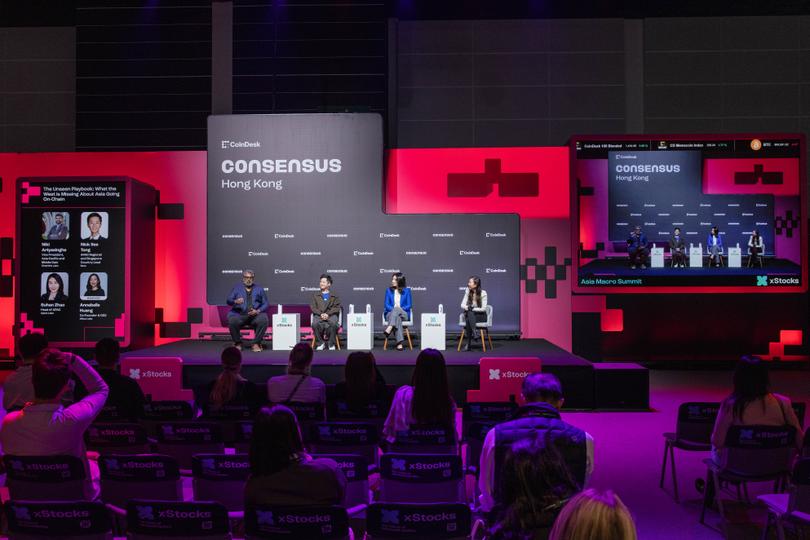
Asia is rapidly advancing in the adoption of onchain retail solutions, outpacing Western nations in the implementation of stablecoin regulations. Regional hubs are emerging as leaders in creating frameworks that support digital currencies and enhance retail experiences.
Introduction
As the global economy increasingly embraces digital currencies, Asia is emerging as a frontrunner in the onchain retail space. With innovative regulatory frameworks and a growing acceptance of stablecoins, the region is leapfrogging traditional Western markets in the adoption of blockchain technologies for retail transactions.
Stablecoin Regulations: A Regional Focus
Recent reports indicate that countries in Asia, particularly Hong Kong and Singapore, are taking significant steps to establish clear regulations surrounding stablecoins. These regulations are designed to foster a secure environment for digital transactions, thereby encouraging both consumers and businesses to adopt onchain solutions. Unlike many Western nations, which are still grappling with regulatory uncertainty, Asian countries are proactively creating frameworks that not only protect consumers but also promote innovation.
Hong Kong: A Beacon for Digital Currency
Hong Kong has positioned itself as a leading hub for cryptocurrency and blockchain technology. The Hong Kong Monetary Authority (HKMA) has been at the forefront of developing a regulatory framework that supports the use of stablecoins in retail transactions. By providing clear guidelines, the HKMA aims to enhance consumer confidence and encourage the use of digital currencies in everyday transactions. This proactive stance has attracted numerous fintech companies to set up operations in the region, further solidifying Hong Kong's status as a digital finance powerhouse.
Singapore's Innovative Approach
Similarly, Singapore has established itself as a global leader in fintech innovation. The Monetary Authority of Singapore (MAS) has implemented a progressive regulatory framework that encourages the use of stablecoins. By fostering collaboration between traditional financial institutions and blockchain startups, Singapore is creating an ecosystem that supports the growth of onchain retail solutions. The city-state's commitment to innovation and regulatory clarity has made it an attractive destination for businesses looking to explore the potential of digital currencies.
Consumer Adoption and Market Trends
The increasing acceptance of stablecoins in Asia is reflected in consumer behavior. A growing number of retailers are beginning to accept digital currencies as a form of payment, driven by the demand for faster and more secure transactions. This shift is particularly evident in sectors such as e-commerce, where consumers are seeking seamless payment experiences. The rise of onchain retail solutions is not only transforming the way consumers shop but also how businesses operate, leading to more efficient supply chains and enhanced customer experiences.
Challenges and Opportunities
While the progress in stablecoin regulations and onchain retail adoption is promising, challenges remain. Issues such as regulatory compliance, cybersecurity, and market volatility continue to pose risks for businesses and consumers alike. However, the proactive approach taken by Asian governments and regulatory bodies provides a strong foundation for addressing these challenges. As the region continues to innovate, opportunities for growth and collaboration in the digital currency space are likely to expand.
Conclusion
Asia's leadership in onchain retail and stablecoin regulations signals a significant shift in the global financial landscape. By embracing digital currencies and establishing clear regulatory frameworks, countries in the region are not only enhancing their own economies but also setting a precedent for the rest of the world. As the adoption of stablecoins continues to grow, the potential for a more inclusive and efficient retail environment is becoming increasingly tangible.