Asia Embraces Lifestyle Changes Amid Rising Oil Prices
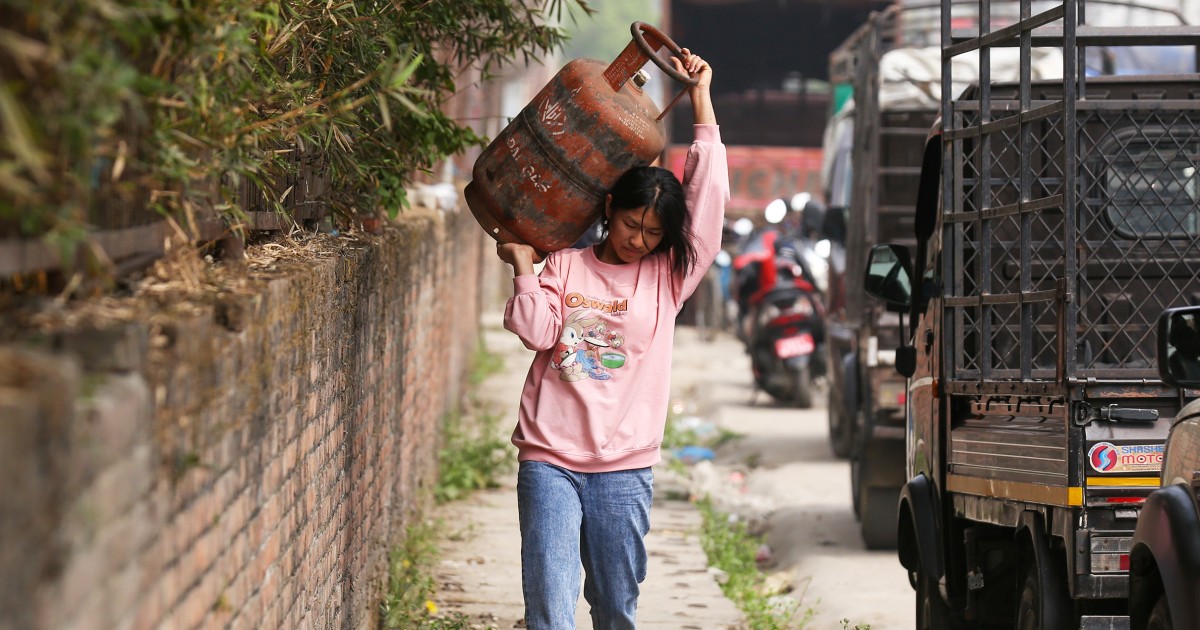
As oil prices surge, countries across Asia are adapting their lifestyles to cope with the economic impact. From increased remote work to public transportation adjustments, these changes reflect a broader shift in daily habits and priorities.
Introduction
As oil prices continue to soar, countries across Asia are experiencing significant lifestyle changes. The spike in fuel costs is prompting individuals and businesses alike to rethink their daily routines, leading to a wave of adaptations that reflect a growing awareness of economic sustainability and personal well-being.
Rising Oil Prices and Their Impact
Recent reports indicate that oil prices have reached their highest levels in years, driven by factors such as geopolitical tensions and supply chain disruptions. This surge is not just an economic issue; it is reshaping how people live and work. In response, many are opting for alternative modes of transportation, reassessing their commuting habits, and embracing remote work as a viable long-term solution.
Embracing Remote Work
With the pandemic already having accelerated the shift towards remote work, the current oil crisis has further solidified this trend. In cities like Hong Kong and Taipei, companies are increasingly offering flexible work arrangements, allowing employees to work from home to save on commuting costs and reduce their carbon footprint. This shift not only helps individuals save money but also contributes to a decrease in traffic congestion and pollution.
Public Transportation Adjustments
In response to the rising oil prices, public transportation systems across Asia are also adapting. Many cities are enhancing their services to encourage more people to use buses and trains instead of personal vehicles. For instance, Hong Kong's MTR Corporation has announced plans to increase the frequency of trains during peak hours to accommodate the growing number of commuters opting for public transport. This move aims to alleviate the financial burden on individuals while promoting a more sustainable urban environment.
Health and Wellness Trends
As people adjust their lifestyles, there is also a noticeable shift towards health and wellness. With many opting to walk or cycle instead of driving, fitness and outdoor activities are becoming more popular. Local governments are responding by improving infrastructure for pedestrians and cyclists, creating more green spaces, and promoting community wellness programs. This not only helps individuals stay active but also fosters a sense of community and connection among residents.
Cost-Saving Measures
In addition to changes in transportation and work habits, many individuals are adopting cost-saving measures in their daily lives. This includes cooking at home more often instead of dining out, which not only saves money but also encourages healthier eating habits. As families look for ways to cut expenses, they are also becoming more conscious of their consumption patterns, leading to a rise in DIY projects and local sourcing of goods.
Conclusion
The rise in oil prices is prompting a significant transformation in lifestyles across Asia. From embracing remote work and public transportation to adopting healthier habits and cost-saving measures, individuals and communities are finding innovative ways to adapt to the changing economic landscape. As these trends continue to evolve, they may lead to lasting changes that prioritize sustainability and well-being in the face of future challenges.