Airline Shares Plummet as Iran Conflict Drives Oil Prices Above $100
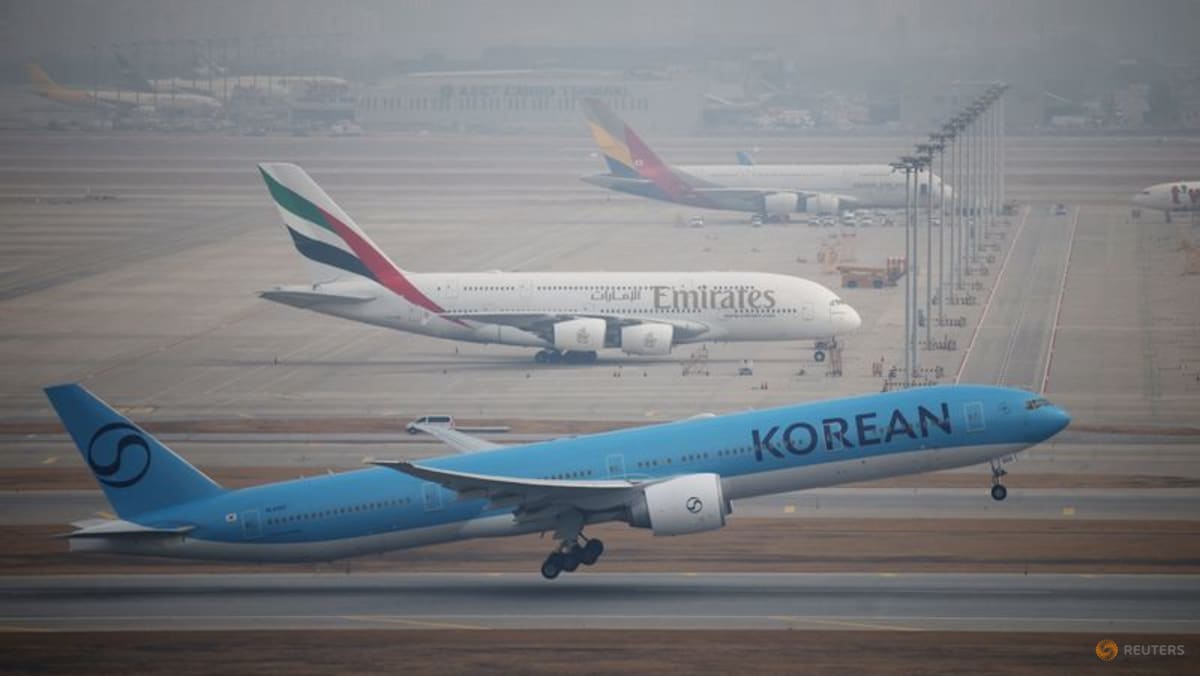
The ongoing conflict in Iran has led to a significant surge in oil prices, impacting the airline industry. As a result, airline shares are suffering, and airfares are expected to rise sharply.
Introduction
The intensifying conflict in Iran has sent shockwaves through global markets, particularly affecting the airline industry. With oil prices soaring above $100 a barrel, airline shares have taken a significant hit, prompting concerns over rising airfares and the overall economic impact.
Impact of Rising Oil Prices
As the situation in Iran escalates, the price of crude oil has surged, leading to a ripple effect across various sectors. Airlines, which are heavily reliant on fuel, are facing increased operational costs. The spike in oil prices has been attributed to fears of supply disruptions due to the ongoing conflict, which has raised concerns among investors and consumers alike.
Airline Shares Take a Hit
In the wake of these developments, airline stocks have experienced a significant downturn. Major carriers have reported declines in their share prices, reflecting investor anxiety over the potential for higher operational costs and reduced profitability. Analysts warn that if the conflict continues, airlines may be forced to adjust their pricing strategies, which could lead to higher airfares for consumers.
Surging Airfares Ahead
Industry experts predict that airfares will rise sharply in response to the increased cost of fuel. Airlines typically pass on fuel surcharges to consumers, and with oil prices expected to remain elevated, travelers may find themselves paying significantly more for flights in the coming months. This could lead to a decrease in air travel demand, as consumers may opt for alternative modes of transportation or delay travel plans altogether.
Market Reactions
The stock market's reaction to the situation in Iran has been swift and severe. Investors are closely monitoring developments in the Middle East, as any escalation could further disrupt oil supply chains. The fear of prolonged conflict has led to heightened volatility in the markets, with airline stocks being particularly vulnerable. Analysts suggest that the current trend may continue unless there is a resolution to the conflict.
Global Economic Implications
The ramifications of rising oil prices extend beyond the airline industry. Higher fuel costs can lead to increased prices for goods and services across the economy, potentially fueling inflation. Consumers may face higher prices at the pump, as well as increased costs for travel and shipping. This could have a cascading effect on economic growth, as consumers adjust their spending habits in response to rising costs.
Looking Ahead
As the situation in Iran continues to unfold, the airline industry will need to navigate these challenging waters carefully. Airlines may explore various strategies to mitigate the impact of rising fuel costs, including hedging against fuel price increases and adjusting their route networks. However, the uncertainty surrounding the conflict makes it difficult to predict the long-term effects on the industry.
Conclusion
The ongoing conflict in Iran has far-reaching implications for the airline industry, with rising oil prices leading to a decline in airline shares and a potential surge in airfares. As the global economy grapples with these challenges, consumers and investors alike will be watching closely for developments that could shape the future of air travel.