Airline Shares Plummet and Airfares Surge Amid Escalating Iran Conflict
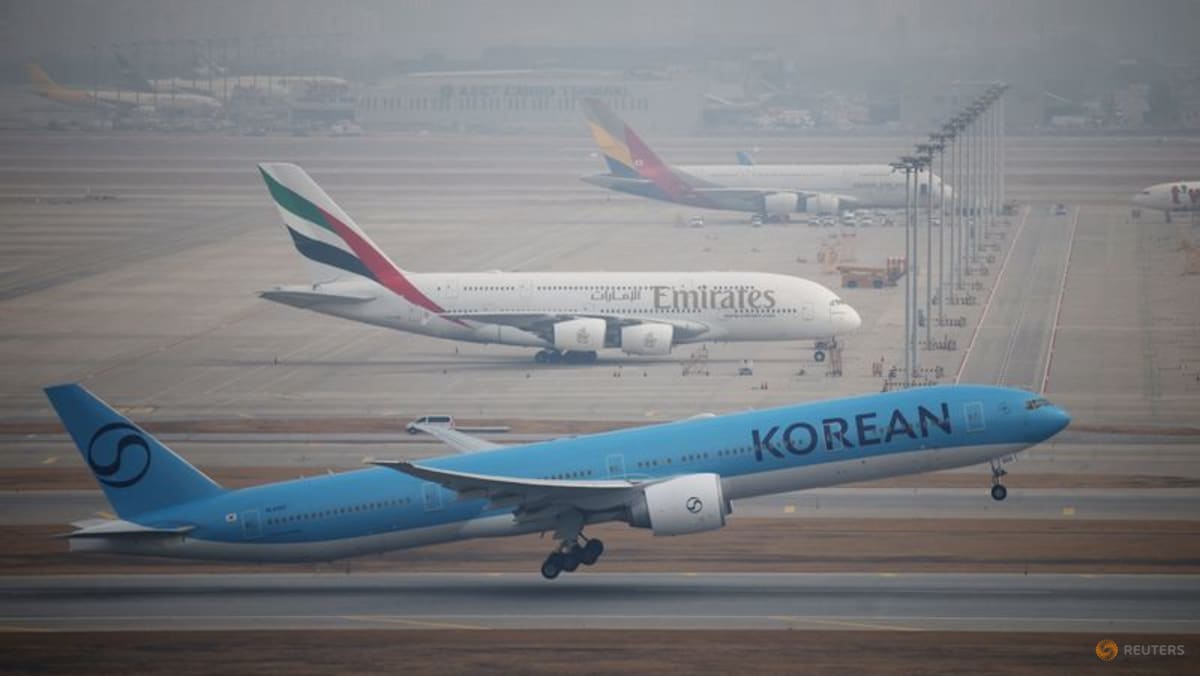
The intensifying conflict in Iran has led to a significant rise in oil prices, causing airline shares to drop sharply. As airfares surge, the aviation industry faces a challenging landscape amidst geopolitical tensions.
Introduction
As the conflict in Iran escalates, the aviation industry is feeling the heat. Recent reports indicate that airline shares have taken a significant hit, while airfares are surging, driven by rising oil prices that have now surpassed the $100 per barrel mark. This situation presents a challenging landscape for airlines already grappling with the aftermath of the COVID-19 pandemic.
Impact on Airline Shares
Airline stocks have been battered in the wake of the intensifying Iran war, with investors reacting to the potential for increased operational costs and reduced travel demand. Major airlines have seen their share prices decline as fears mount over the impact of rising oil prices on profitability. Analysts warn that the combination of geopolitical instability and high fuel costs could lead to a prolonged period of volatility in the aviation sector.
Surging Airfares
The surge in oil prices is translating directly into higher airfares for consumers. Many airlines have begun to pass on the increased costs to passengers, resulting in a noticeable rise in ticket prices. Travelers are now facing the prospect of paying significantly more for flights, particularly on routes that are heavily reliant on oil. This increase in airfares comes at a time when many families are planning vacations and business trips, further straining budgets.
Geopolitical Tensions and Oil Prices
The conflict in Iran has been a key driver of the recent spike in oil prices, with market analysts predicting further increases if the situation escalates. The Middle East is a critical region for global oil supply, and any disruption can lead to immediate price fluctuations. As oil prices rise, airlines are forced to reassess their pricing strategies and operational efficiencies to mitigate the impact on their bottom lines.
Airlines' Response
In response to the rising costs, airlines are exploring various strategies to maintain profitability. Some carriers are looking to optimize their routes and schedules, while others are considering adjustments to their fleet operations. Additionally, airlines are focusing on enhancing customer experience to retain loyalty amidst rising fares. However, the challenge remains significant, as many airlines are still recovering from the financial strains of the pandemic.
Future Outlook
The outlook for the airline industry remains uncertain as geopolitical tensions continue to evolve. While some analysts believe that the situation could stabilize, others warn that prolonged conflict could lead to sustained high oil prices, further impacting airline operations. As a result, consumers may need to brace for continued fluctuations in airfares, especially during peak travel seasons.
Conclusion
The intensifying conflict in Iran is having a profound impact on the aviation industry, with airline shares plummeting and airfares surging. As airlines navigate this challenging landscape, both investors and consumers will be closely monitoring developments in the region. The future of air travel may hinge on the resolution of these geopolitical tensions and the subsequent stabilization of oil prices.