AirAsia's Fernandes Optimistic About Travel Demand Amid Current Challenges
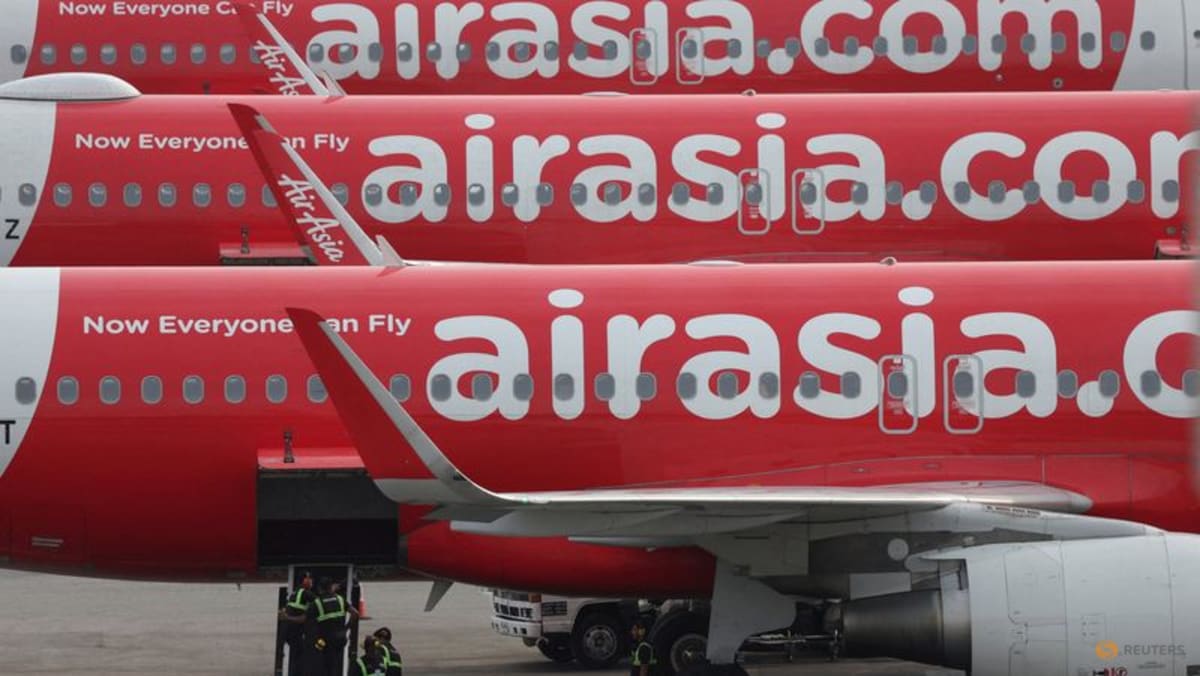
AirAsia's CEO Tony Fernandes expresses strong confidence in the travel industry's resilience, asserting that the current crisis is significantly less severe than the COVID-19 pandemic. As travel demand remains robust, the airline is poised to navigate through ongoing challenges.
AirAsia's Fernandes Optimistic About Travel Demand Amid Current Challenges
In a recent statement, AirAsia's CEO Tony Fernandes conveyed a positive outlook for the travel industry, emphasizing that the current challenges faced by airlines are far less severe than those experienced during the COVID-19 pandemic. As travel demand continues to surge, Fernandes remains confident that AirAsia is well-positioned to adapt and thrive in this evolving landscape.
Fernandes highlighted that, despite the ongoing economic uncertainties and geopolitical tensions impacting global travel, the appetite for travel remains strong among consumers. He noted that AirAsia has seen a significant rebound in passenger numbers, with many travelers eager to explore new destinations after years of restrictions.
“The demand for travel is there, and it’s robust,” Fernandes stated during a recent press conference. “People are eager to travel again, and we are witnessing a strong recovery in our bookings. This is a testament to the resilience of the travel industry and the desire of people to reconnect with the world.”
AirAsia, which has been a key player in the low-cost airline sector in Asia, has adapted its business model to meet the changing demands of consumers. The airline has introduced new routes and enhanced its services to cater to the evolving preferences of travelers, including a focus on sustainability and digital innovation.
Fernandes also addressed the challenges that the airline industry continues to face, including rising fuel prices and labor shortages. However, he emphasized that these issues are manageable compared to the unprecedented disruptions caused by the pandemic. “While we are not without our challenges, we have learned to navigate through crises more effectively,” he remarked.
In addition to operational adjustments, AirAsia is also investing in technology to improve customer experience. The airline has rolled out new digital platforms that streamline the booking process and enhance customer service, making it easier for travelers to plan their journeys.
Furthermore, Fernandes pointed out that the airline is committed to sustainability and has implemented various initiatives aimed at reducing its carbon footprint. “We believe that the future of travel must be sustainable, and we are taking steps to ensure that we contribute positively to the environment,” he said.
As the travel industry continues to recover, AirAsia is optimistic about the future. The airline is planning to expand its fleet and increase its operational capacity to meet the growing demand. Fernandes noted that the company is actively exploring new partnerships and collaborations to enhance its service offerings and reach more customers.
“We are excited about what lies ahead,” he stated. “The travel industry is resilient, and we are committed to being at the forefront of this recovery. We believe that with the right strategies and a focus on our customers, we can emerge stronger than ever.”
In conclusion, AirAsia's positive outlook reflects a broader trend within the travel industry, as airlines and travel companies worldwide adapt to the changing landscape and work toward recovery. As travel demand remains strong, the future looks promising for both AirAsia and the global travel sector as a whole.